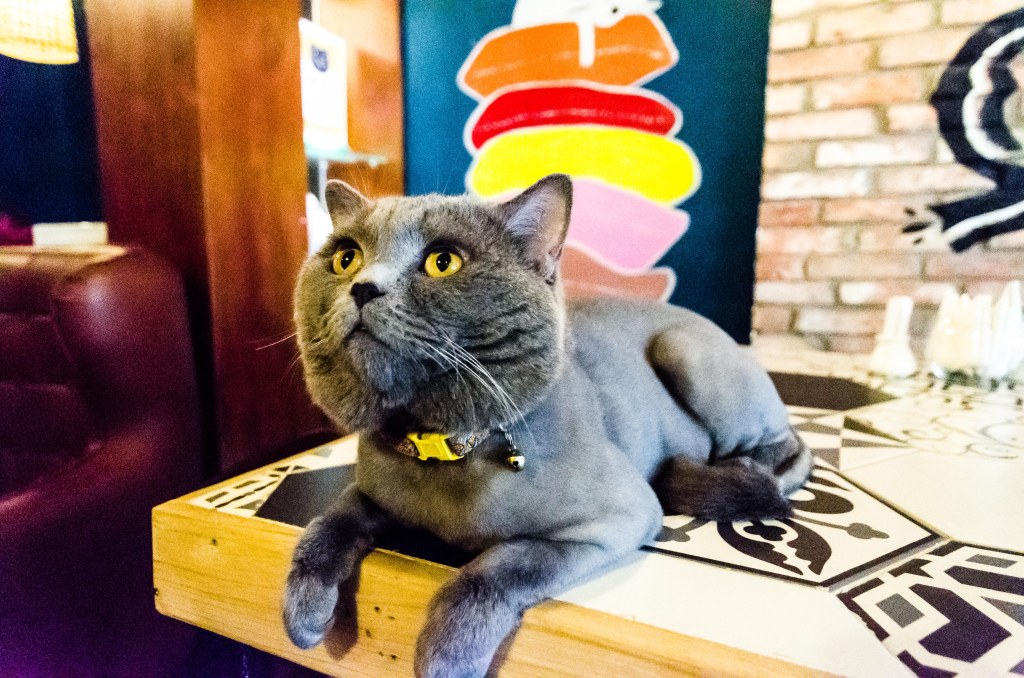
The hostel we stayed in had a cat, called Gatsby. Gatsby looked a little odd as is fur had been trimmed due to the heat. It made his head, where the fur hadn’t been trimmed, look too big, as if his collar was too tight and his head had swelled up as a result. But he was a cool cat, very placid and happy to socialise.
We got up at a not too uncivilised hour on Friday, had breakfast, then went to see the War Remnants Museum. On our way we passed an inner city park and saw a local guitar and ukelele club gathered. They were playing, singing, chatting, and generally having a good time. We liked that Saigon has parks and tree-lined streets. Neither of these was apparent in Hanoi.
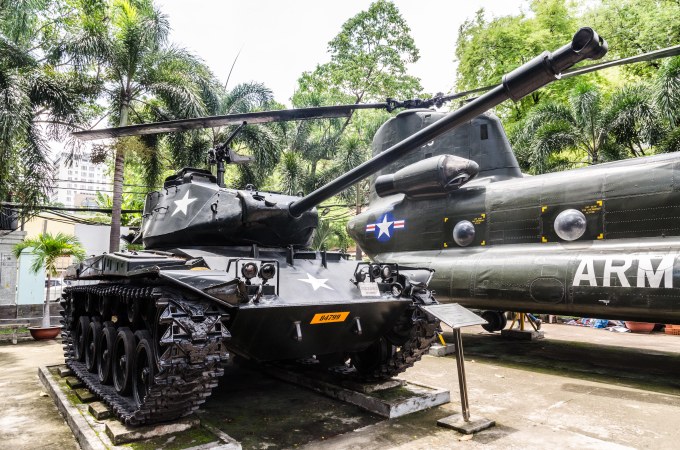
At the museum we bought our tickets, walked two paces, then handed them to a guy who gave them back with a sticker each to show we had paid. As we passed through the gate we could see the various machines captured from/left behind by the US forces when they left Vietnam. There were several aircraft, a couple of tanks, some large guns, etc. Once we had finished looking at those we entered the building.
Inside the foyer there was a film showing, with the volume too low to be able to hear what was going on (probably propaganda), and various exhibit rooms leading off the foyer. There were exhibits on the French war, the US war and the various war crimes committed by the US and its allies, photo-journalism (really good exhibit with great photos from both sides), and a photo exhibit with some harrowing examples of the birth defects attributed to the effects of Agent Orange on the local population. There were some harrowing photos in the museum which will live on in the memory.
Outside again we saw more information about the how badly the government of South Vietnam treated political prisoners, and how nicely the North Vietnamese treated prisoners of war. The problem with this sort of thing is that the obvious distortions of the truth make you doubt all the other information you are presented with.
Having spent a few hours wandering around, we headed off to get lunch then back to our room for a break from the heat. Due to inertia, the break extended until dinner time.

The next morning got off to a relaxed start. Kiwi went walkabout to see what there was to see. He found a shopping mall (complete with H + M) and a street occupied solely by bookstores. The post office, a nice French colonial era building, was another discovery, it was open but most of the space was taken up by souvenir stalls.
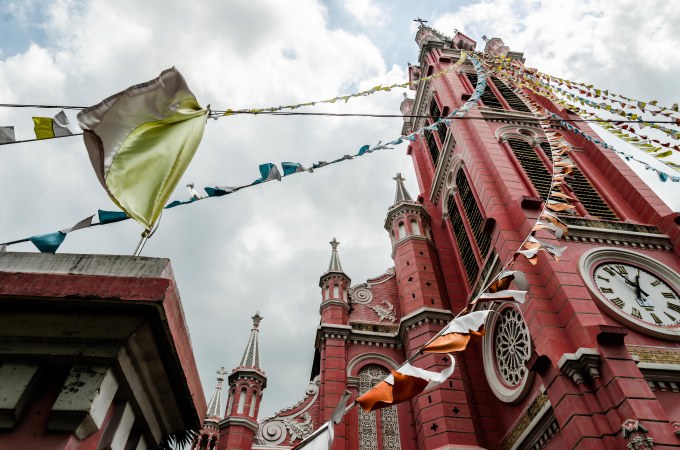
He caught up with Kraut in the park near the hostel and together we walked to Tan Dinh Church (also known as the “Pink Church”) where we took some photos of the flag festooned church in between watching locals doing the whole ‘pose in my best clothes, hair, and make-up combination for several minutes while my friend takes copious amounts of photos of me’ routine. The church was closed for lunch, it looked the caretaker was having a nap by the front door.
From there we went to have lunch, before heading to the Independence Palace (aka Reunification Palace). This was the presidential palace of South Vietnam until the war was won by the North. The building isn’t old, having been built in the 1960’s. The public are welcome to wander around the spacious park-like grounds and inside the building. In the grounds are replicas of the two tanks that crashed through the palace gates, thus ending the war.

Inside, the decor is definitely presidential. There are banquet rooms, recieving rooms, a cinema, private apartments for the president and his family, offices, and in the basement the bomb proof bunker from where the war effort was co-ordinated. Here we could see the radio rooms, telex machines, map rooms, etc as they were apparently back then, though the phones on one of the desks appeared to be facing the wrong way. We reckon it would take about a month of living there to learn your way around, and a bicycle at each landing on the stairwells or outside the elevators would be helpful for getting around. It is rather large.
The whole place is apparently as it was found after the war, but there were a couple of anomalies that we noticed. Firstly, there was no South Vietnam flag to be seen, but there was a current Vietnam flag alongside the hammer and sickle. Secondly, on the desk in one of the offices was a model of an “Air Viet Nam” aircraft. The airline did exist until the end of the war, but the model was of an A380, which certainly didn’t exist at the end of the war.

As we were leaving it looked and felt like rain was imminent, but we walked on regardless. We went to the mall Kiwi visited earlier, as well as the bookshop street and the post office. Then it was back to the hostel via Notre Dame cathedral where we sat and listened to the bells. The cathedral was being renovated or restored or something judging by the amount of scaffolding adorning it. The cathedral is closed on weekends, which, given that Sunday is the holy day, seemed a bit odd.
That was our two days in Saigon. We liked it more than Hanoi, the trees and parks make for a more pleasant environment. The fact that Saigon was not bombed in the war would appeat to have helped in that regard.

Gatsby 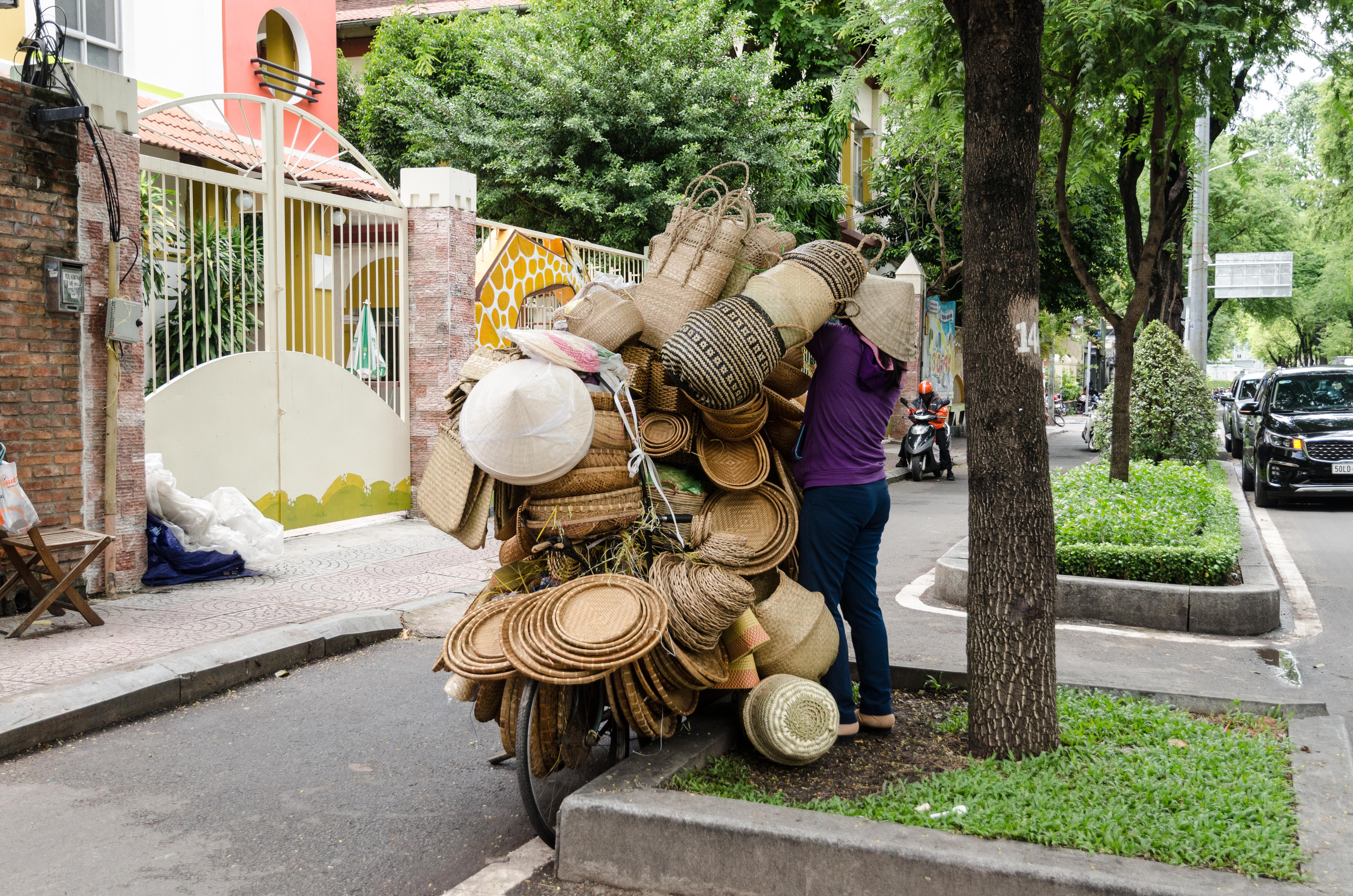
They All Stayed On Yesterday. Yes, That Is A Biycycle 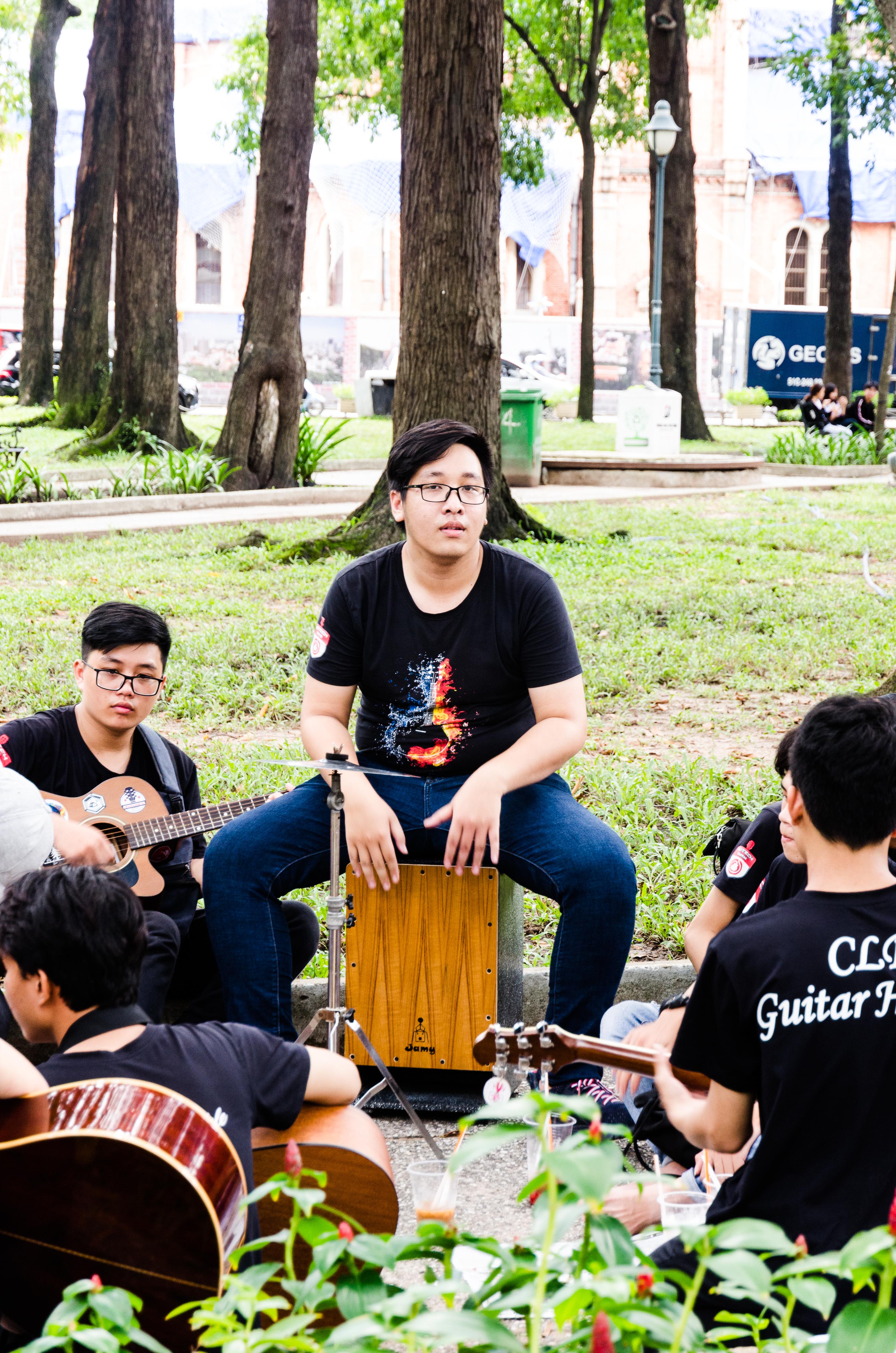
Guitar Club 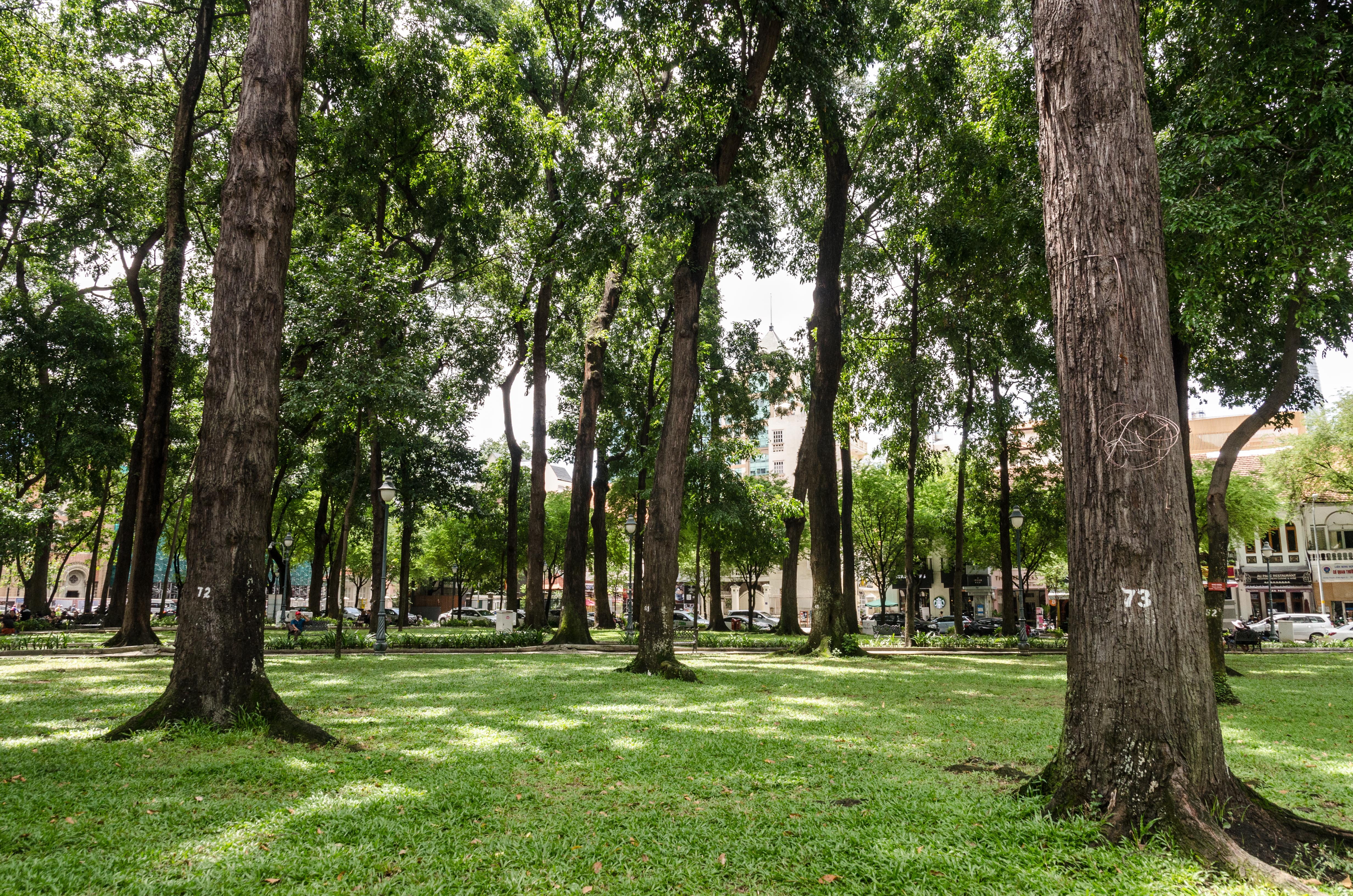
The Park 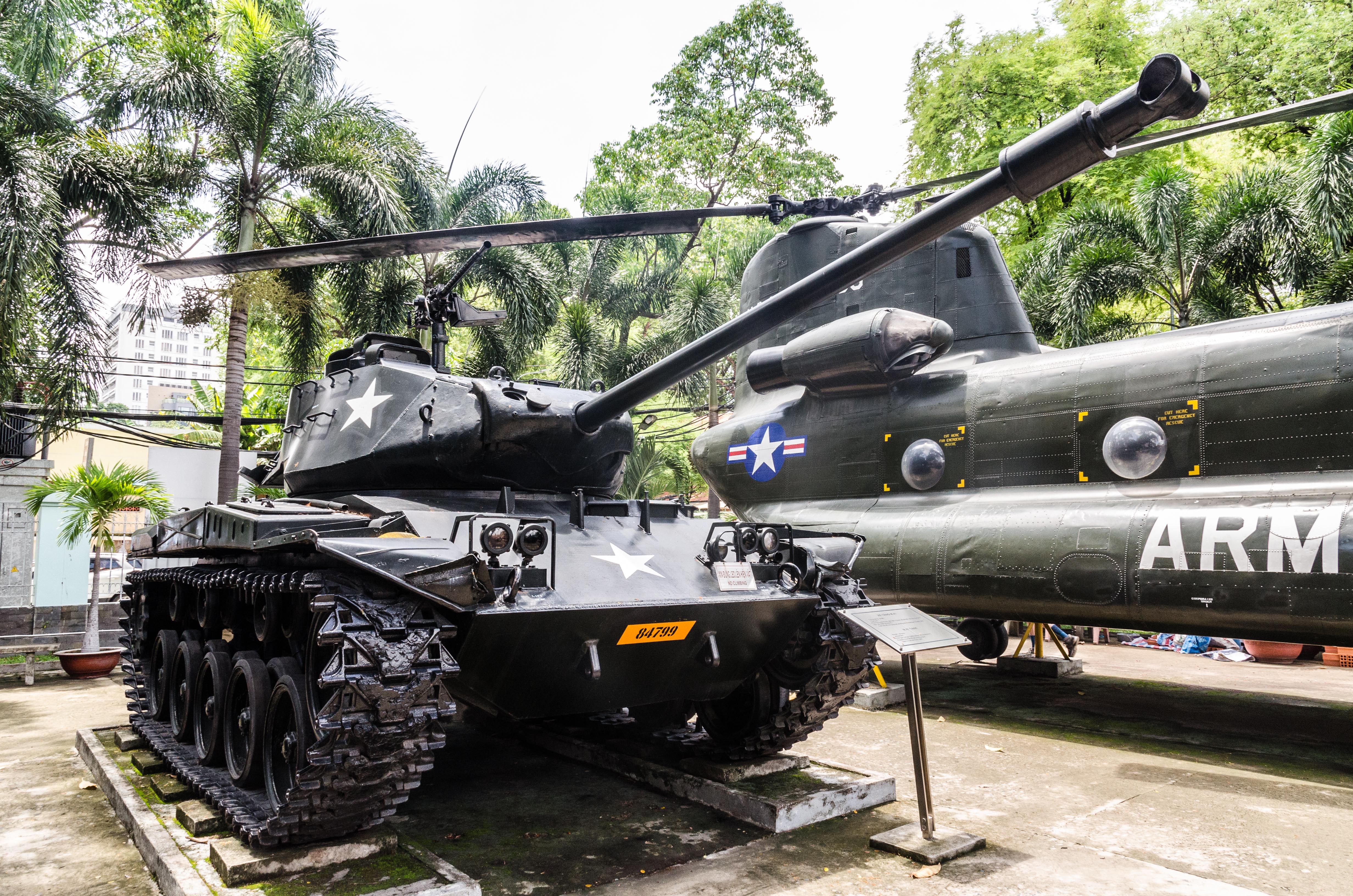
The War Remnants Museum 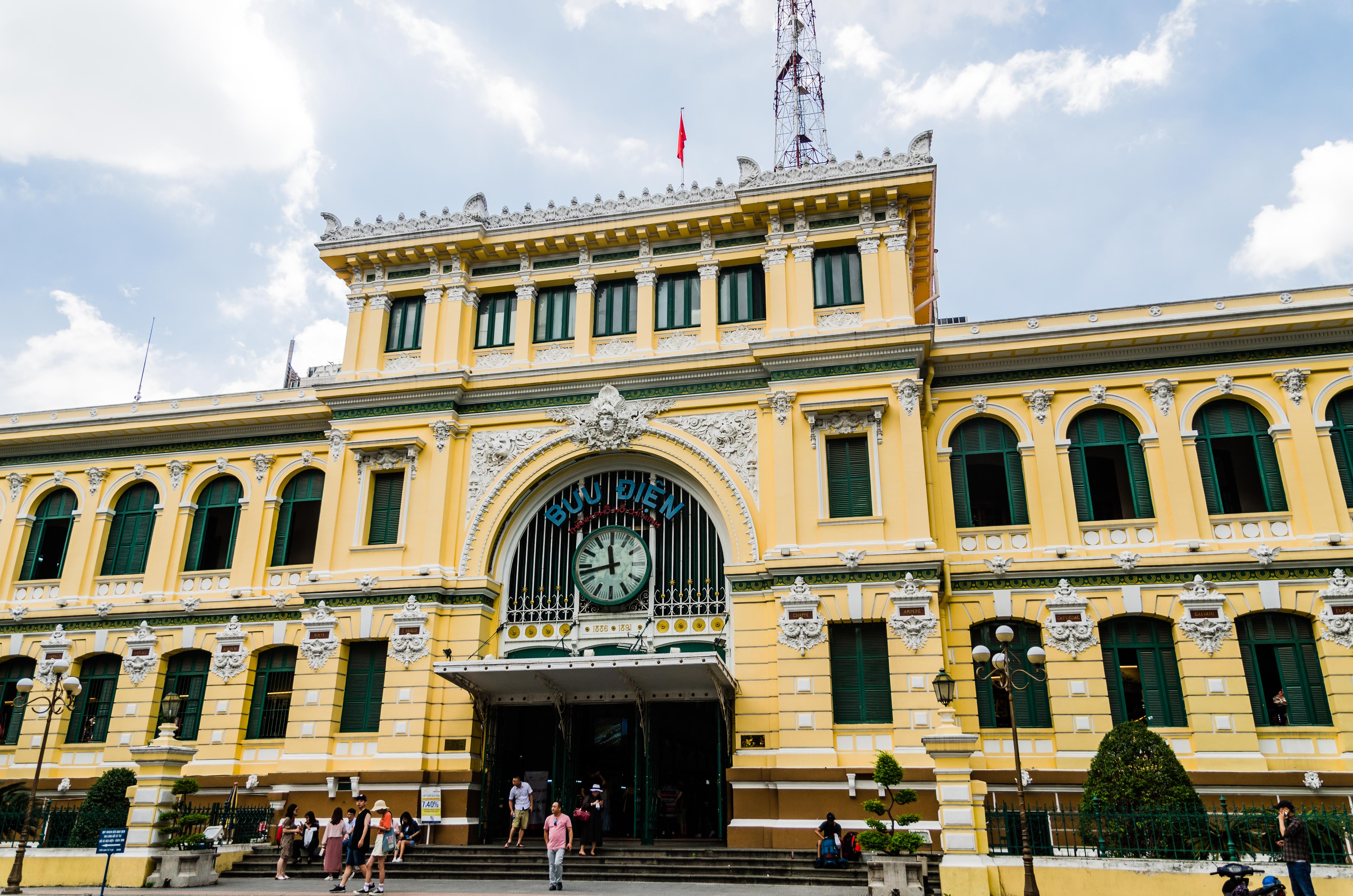
Post Office 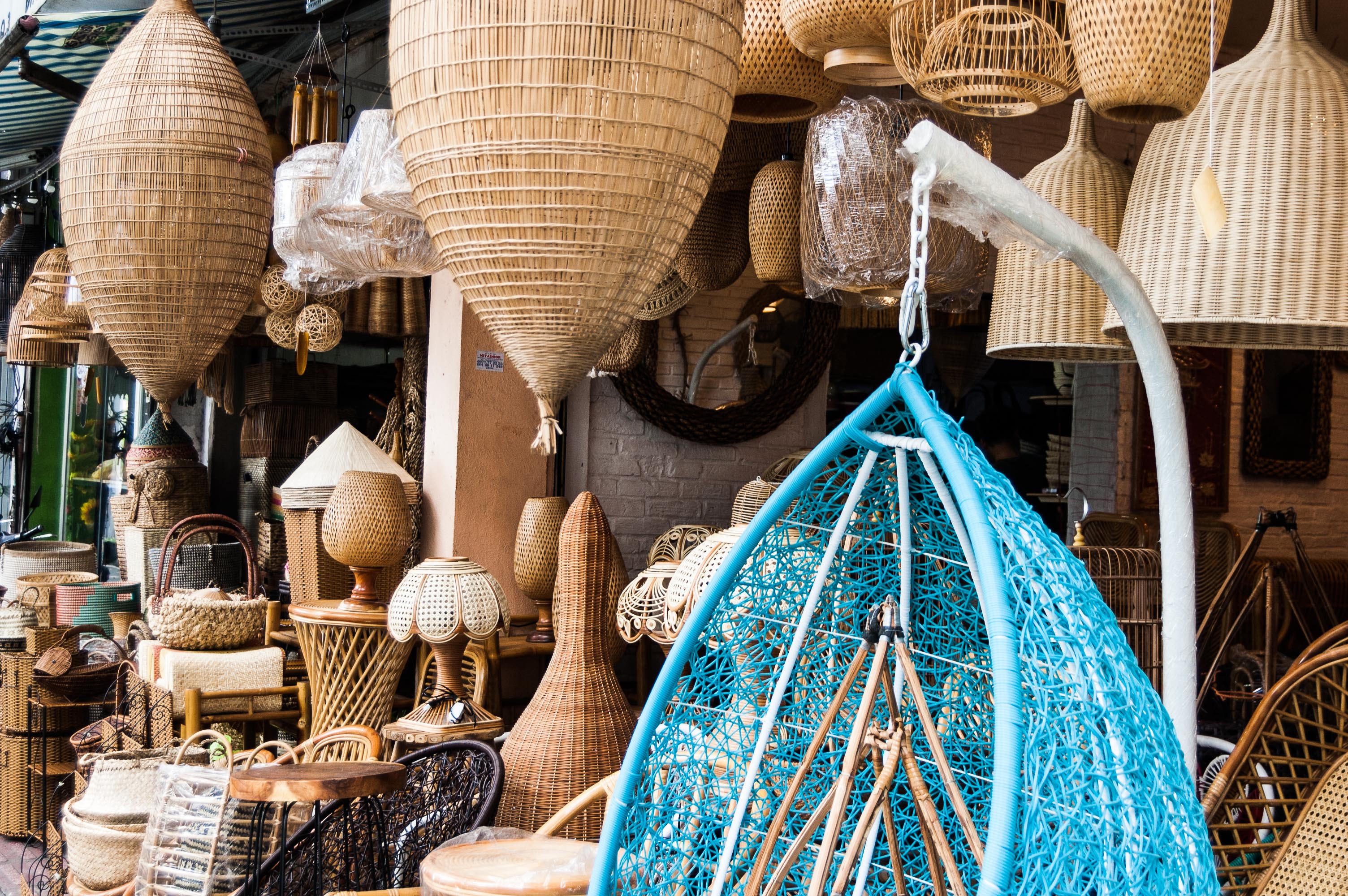
Weaving Shop 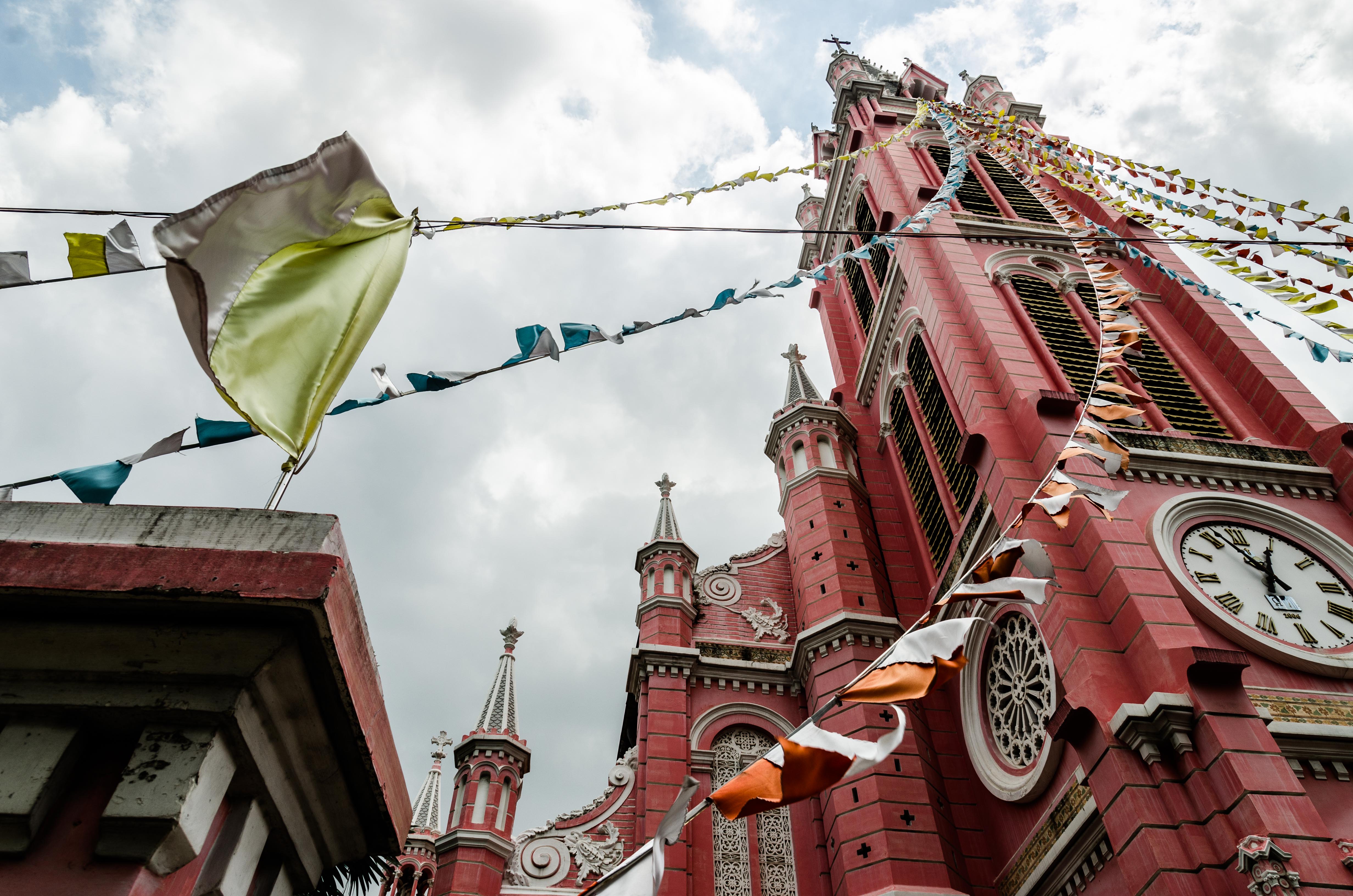
The Pink Church 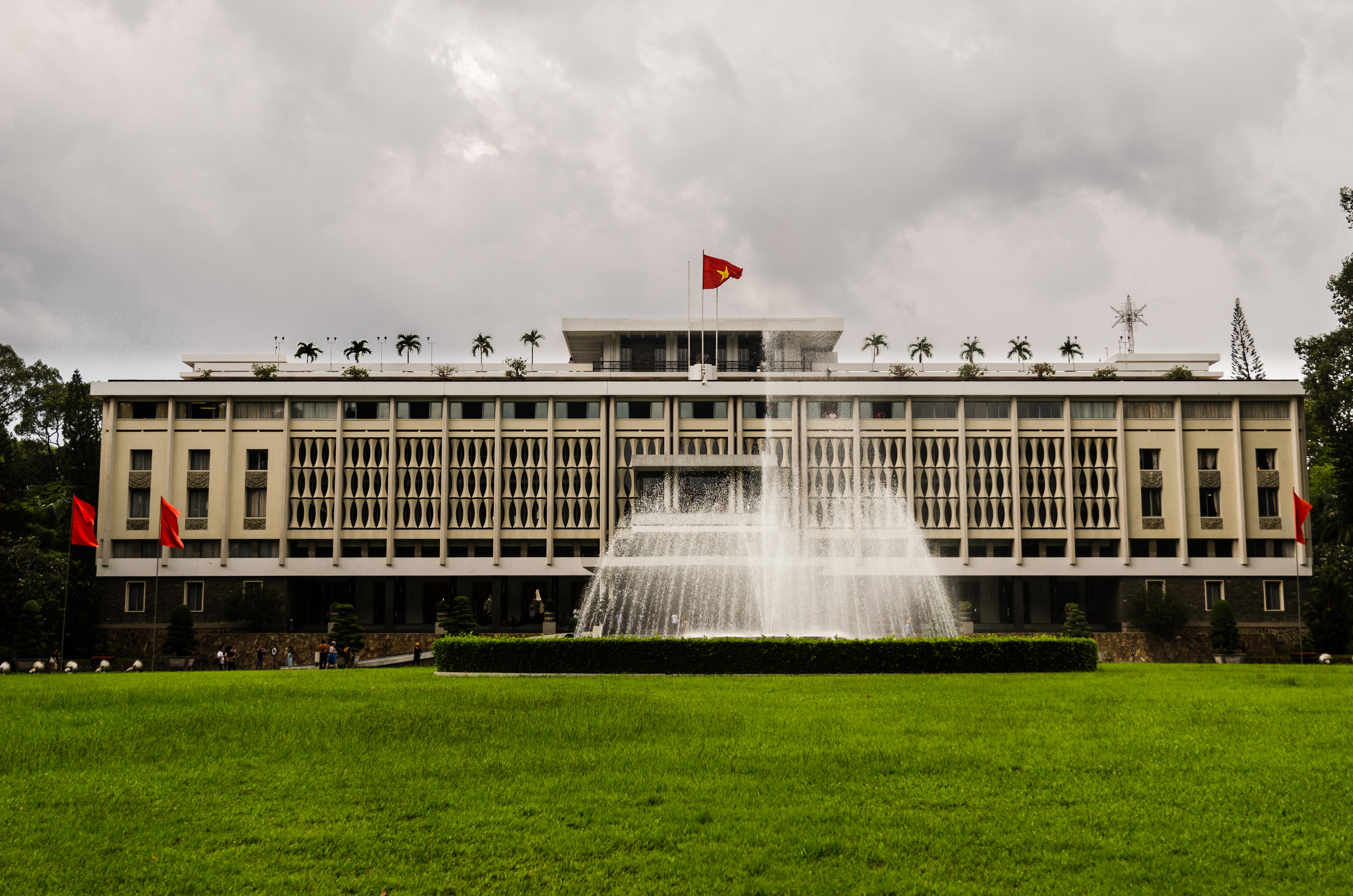
The Palace 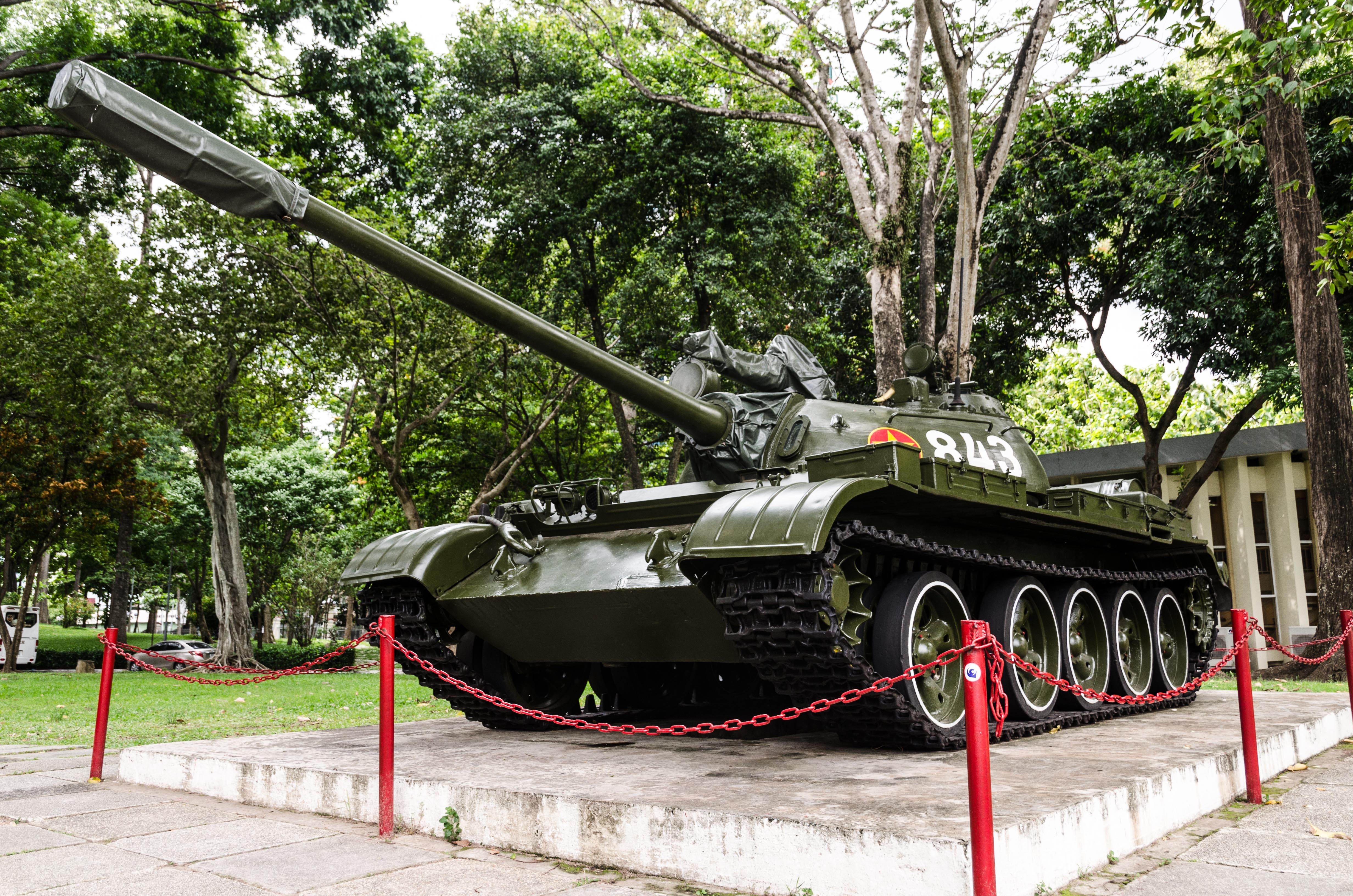
Outside The Palace 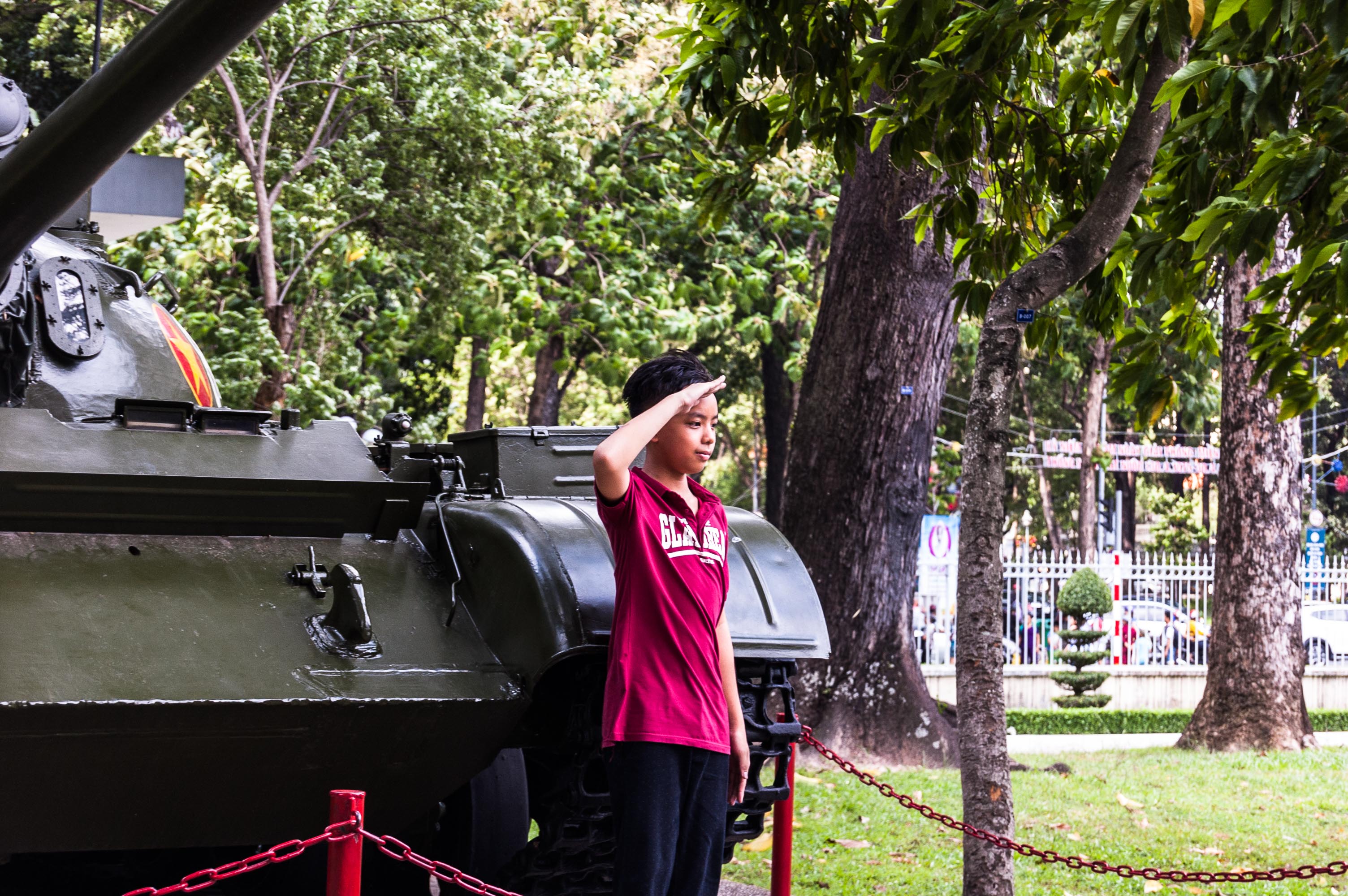
Ouside The Palace 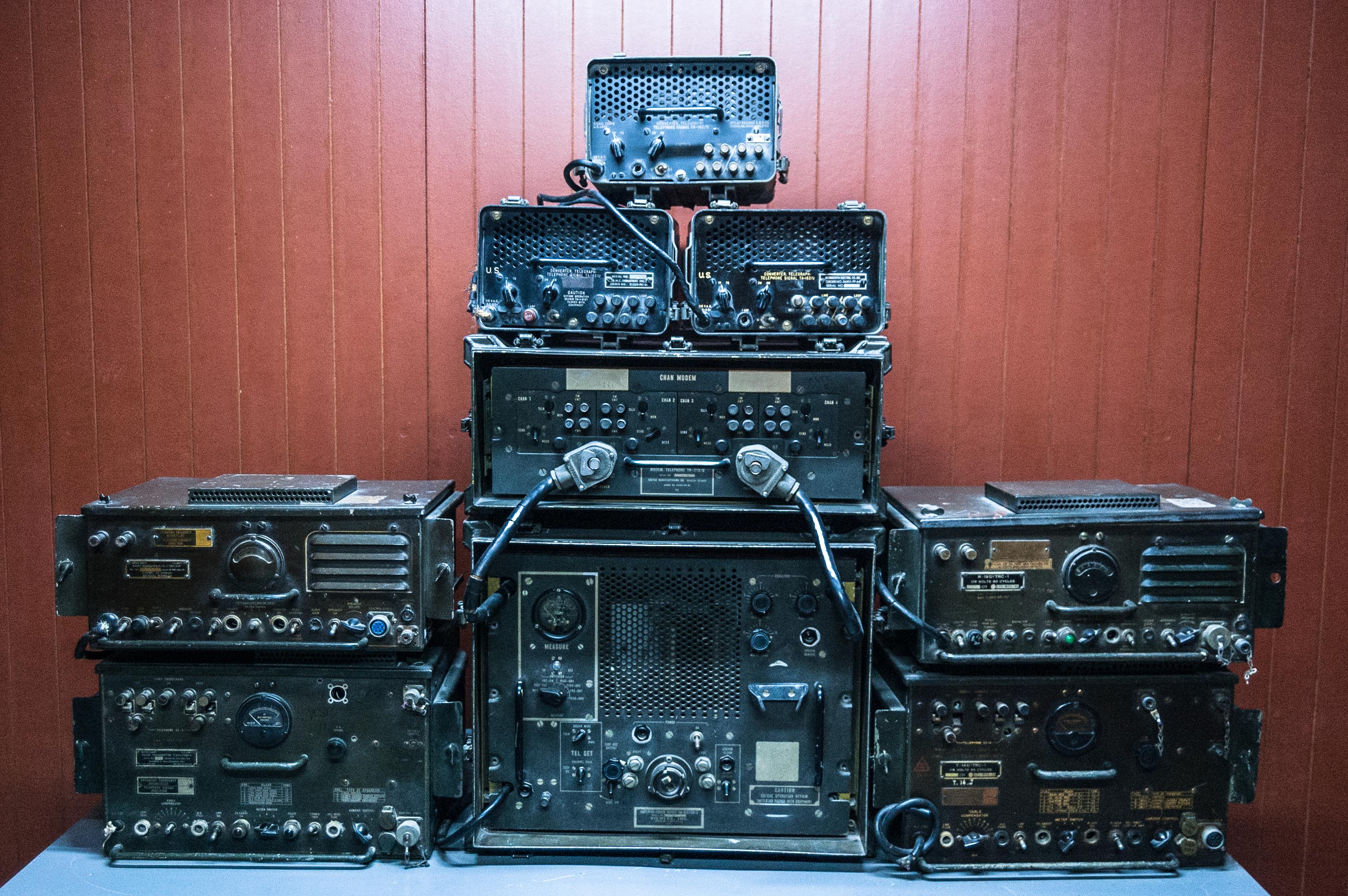
Radio In The Bunker 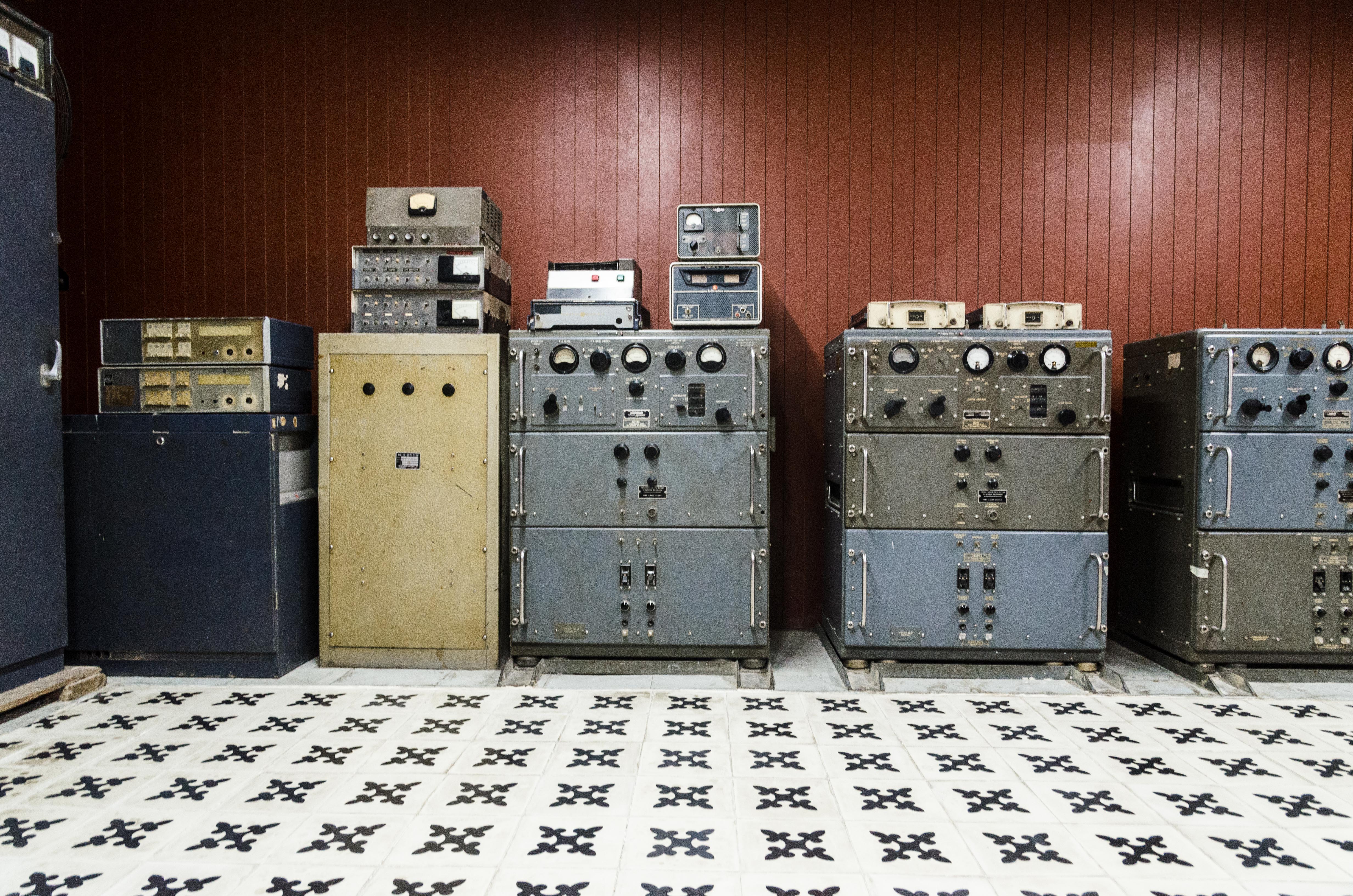
More Radios Inside The Palace 
Which One Is The Batphone? 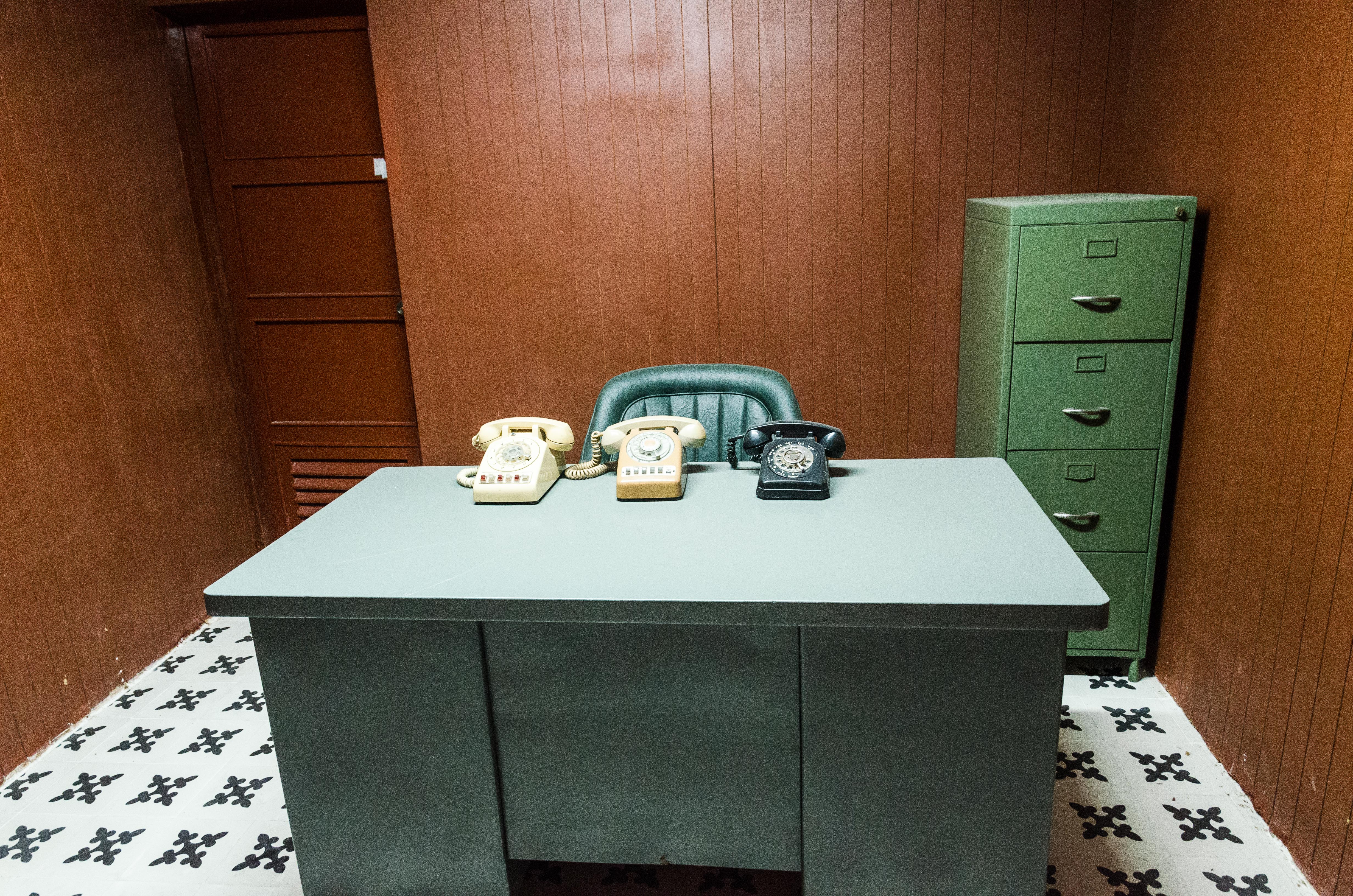
More Phones Inside The Palace 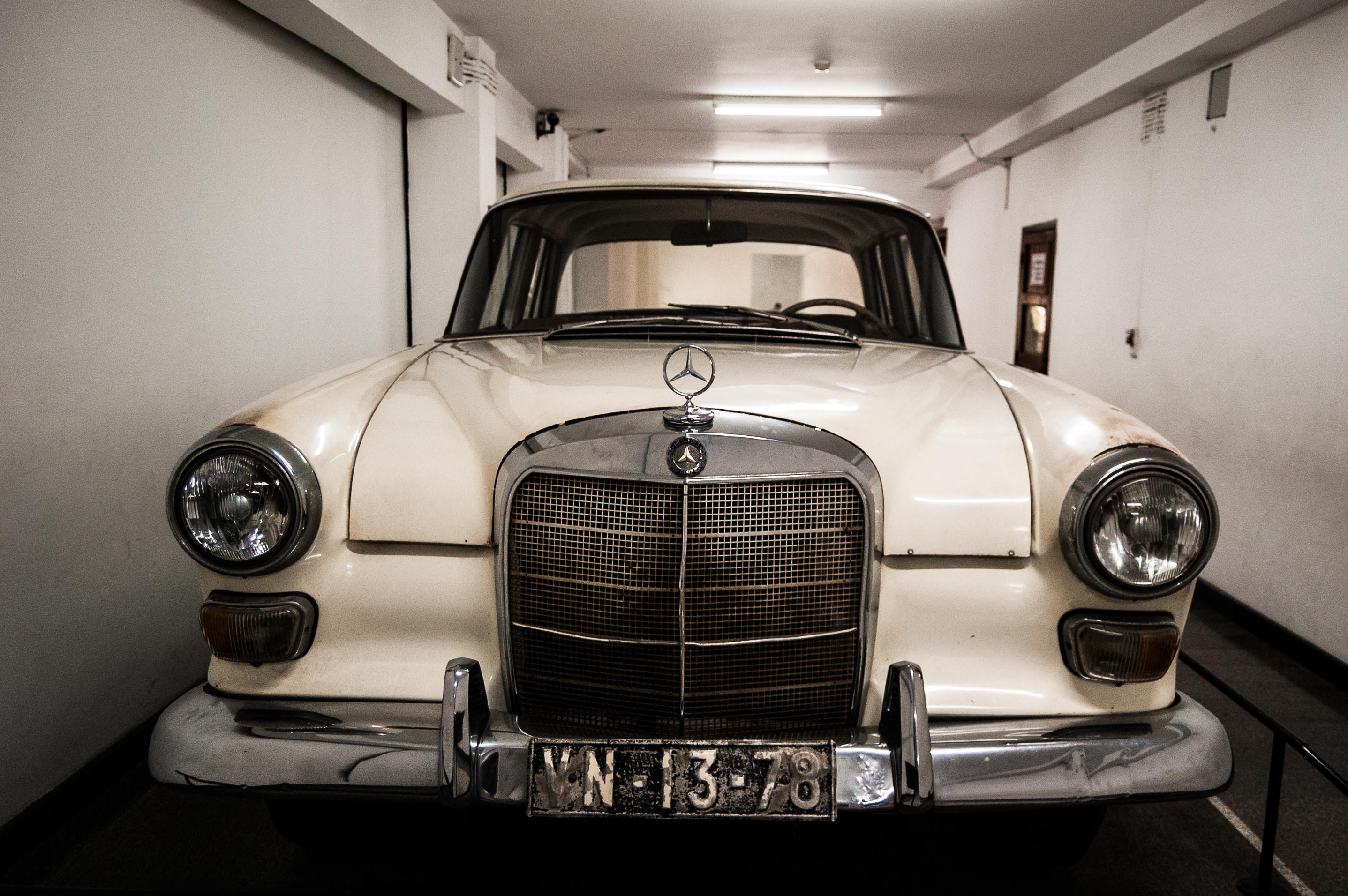
One Of The Cars Left Behind 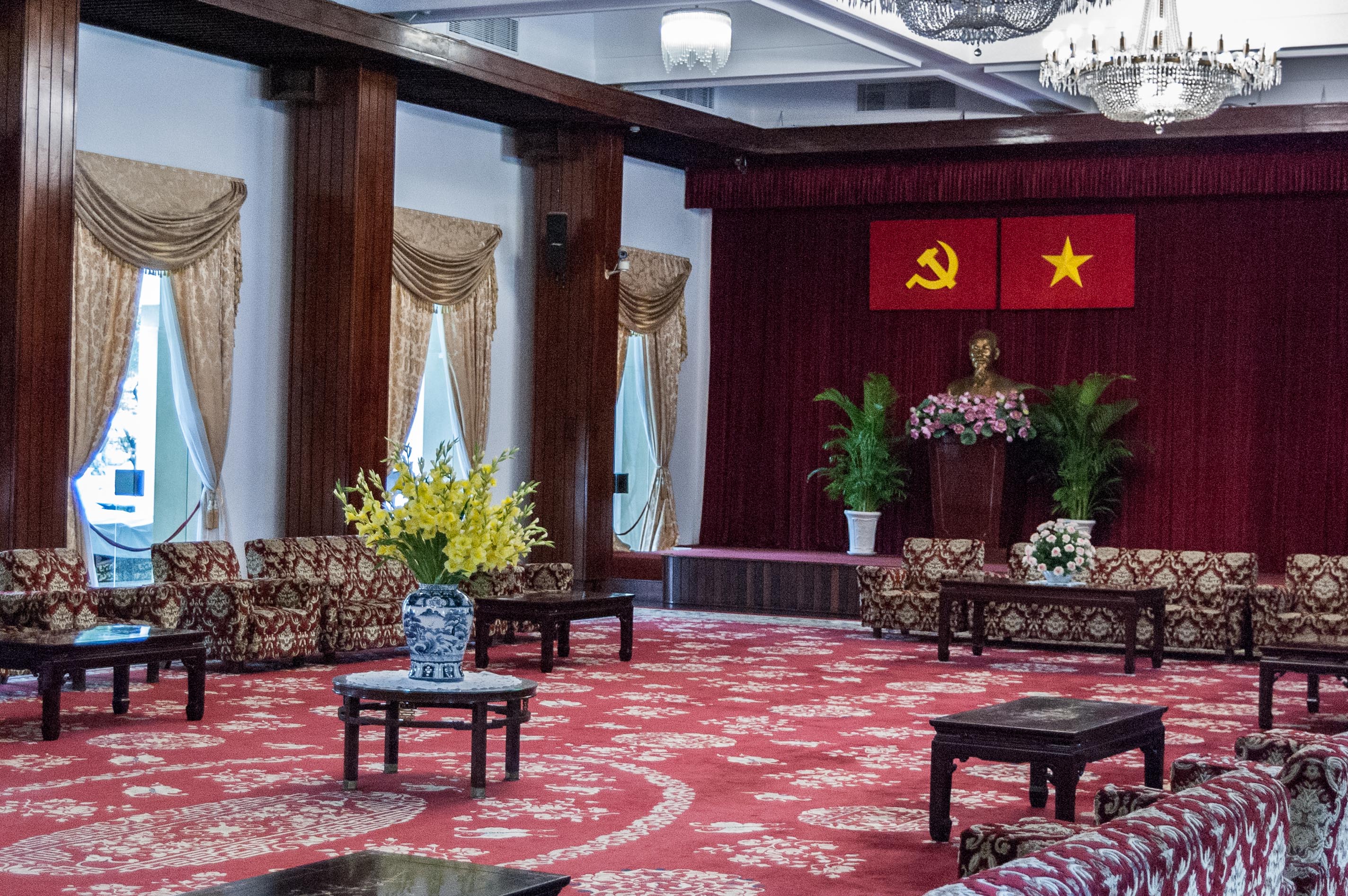
Inside The Palace. Note The Flags 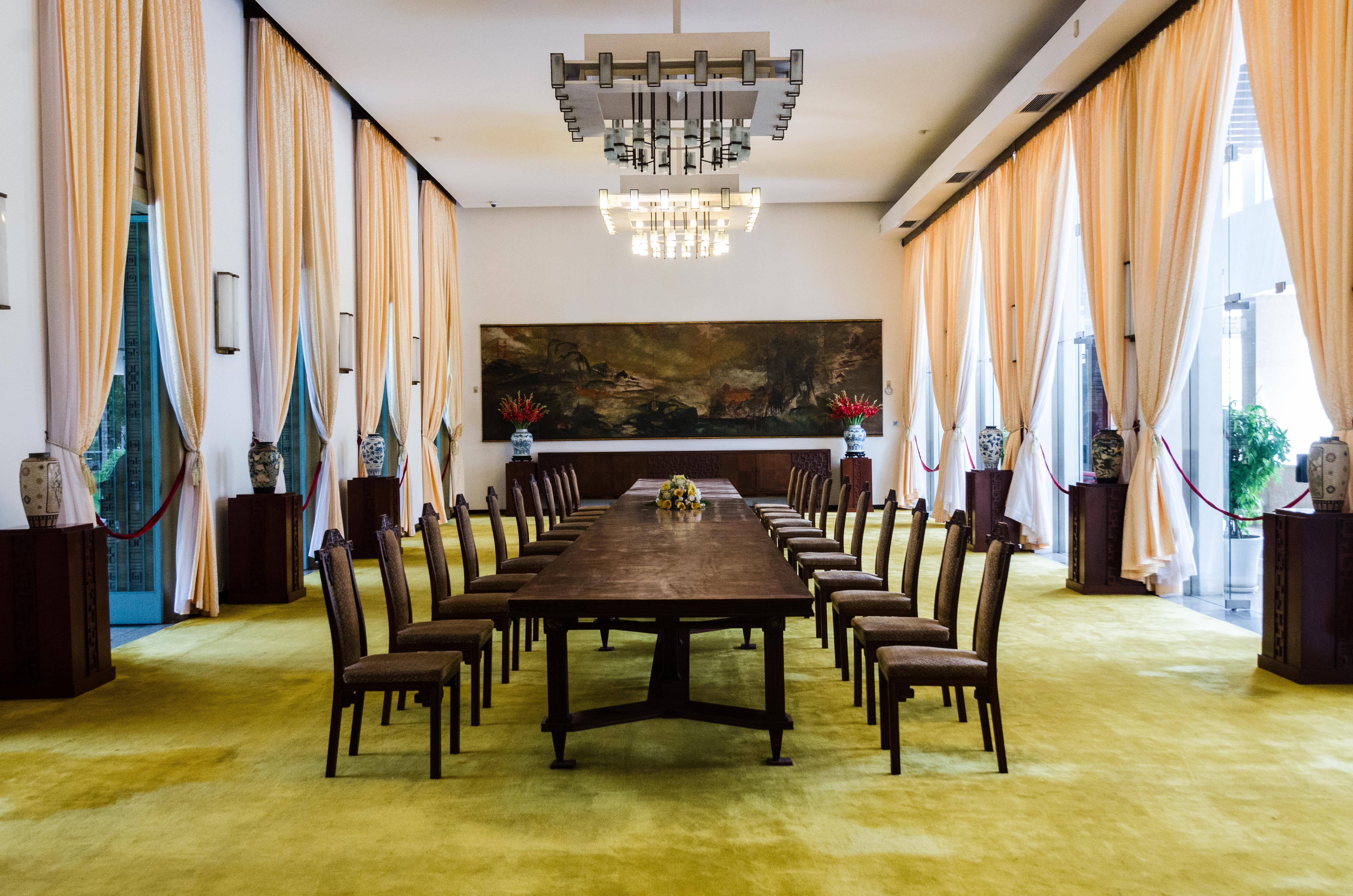
Inside The Palace 
Inside The Palace 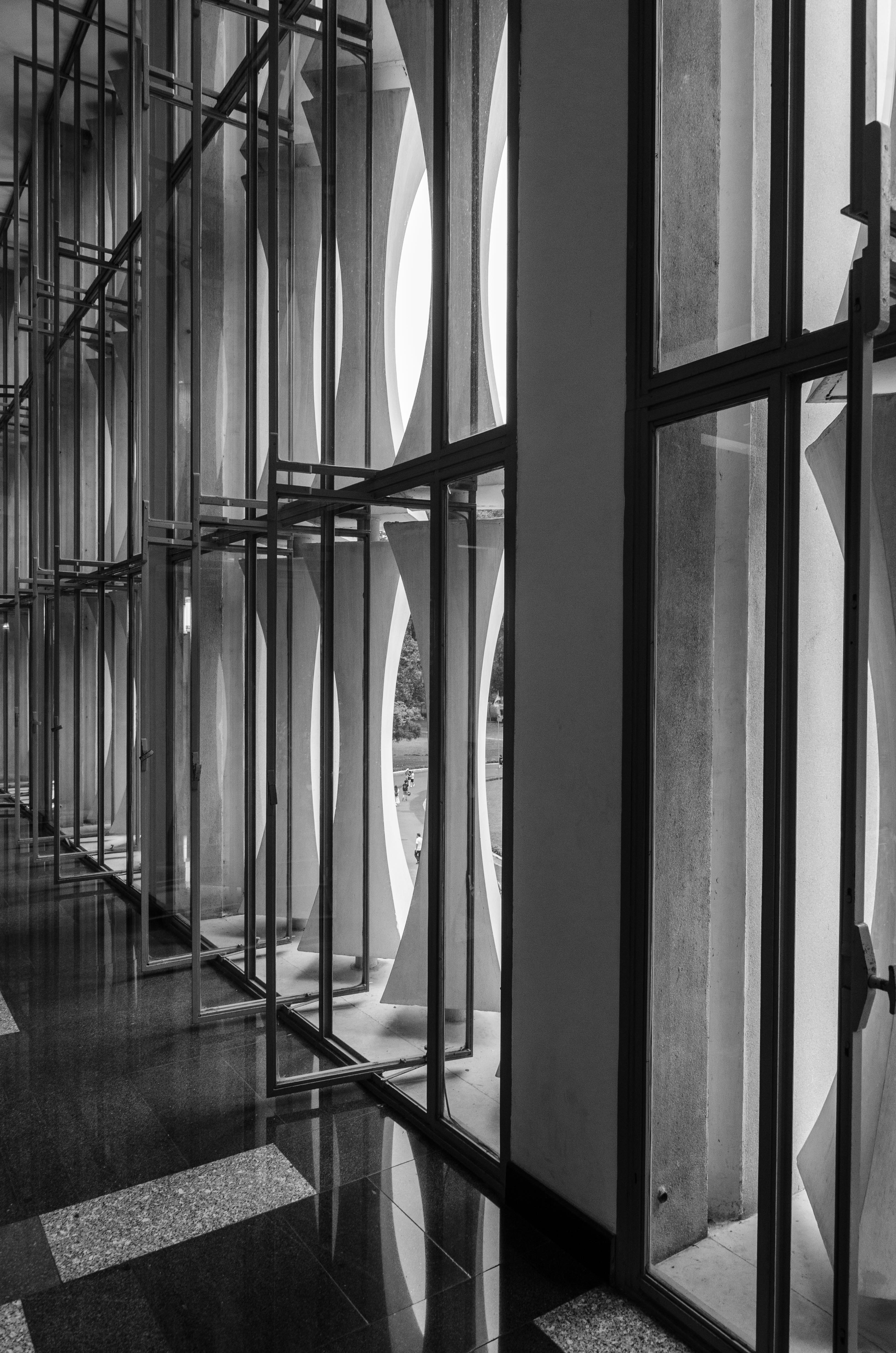
The Front Shutters, Inside The Palace 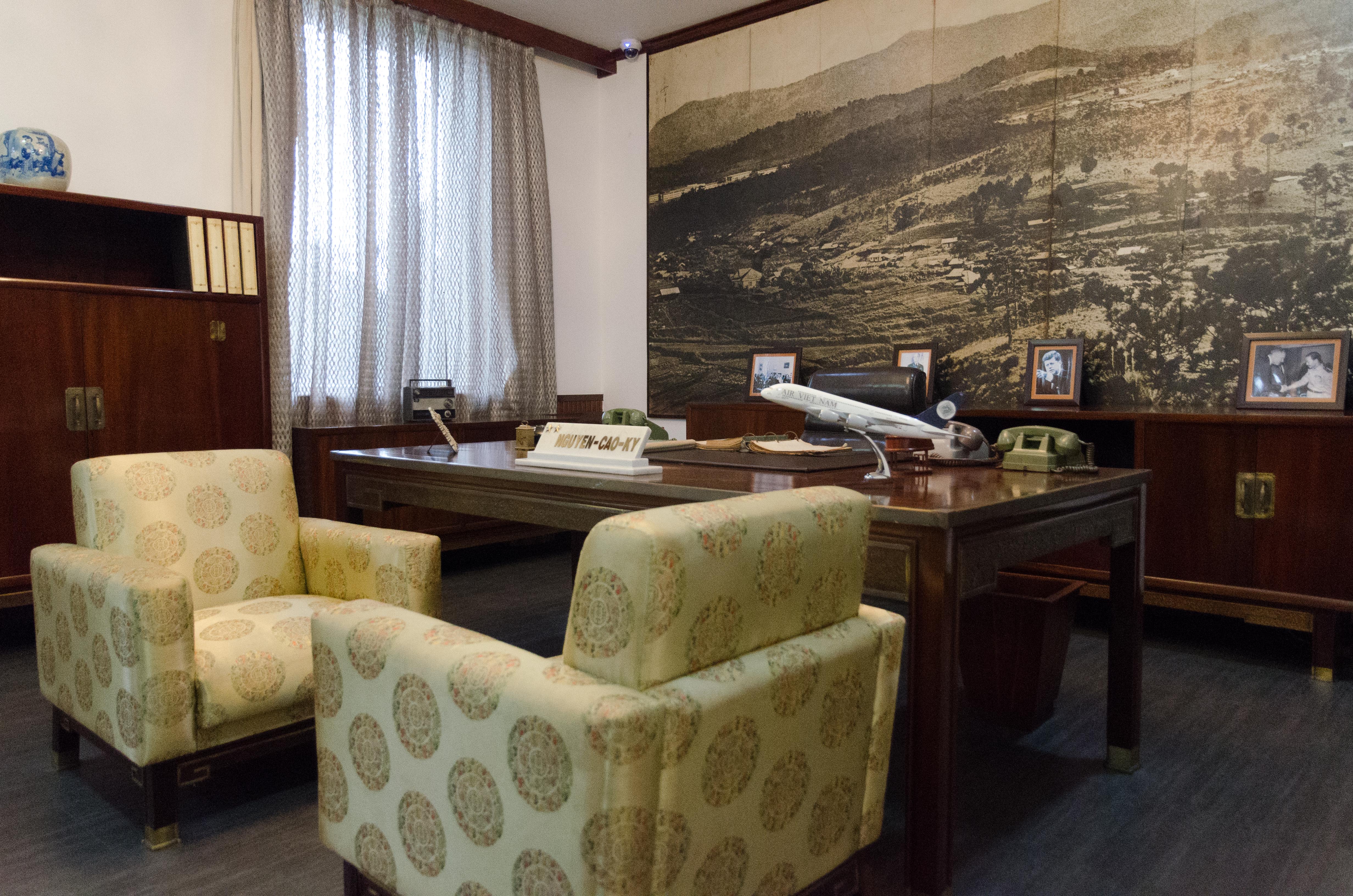
Spot The Anomaly 
Plush Bedroom In The Palace 
Getaway Heli On The Palace Roof 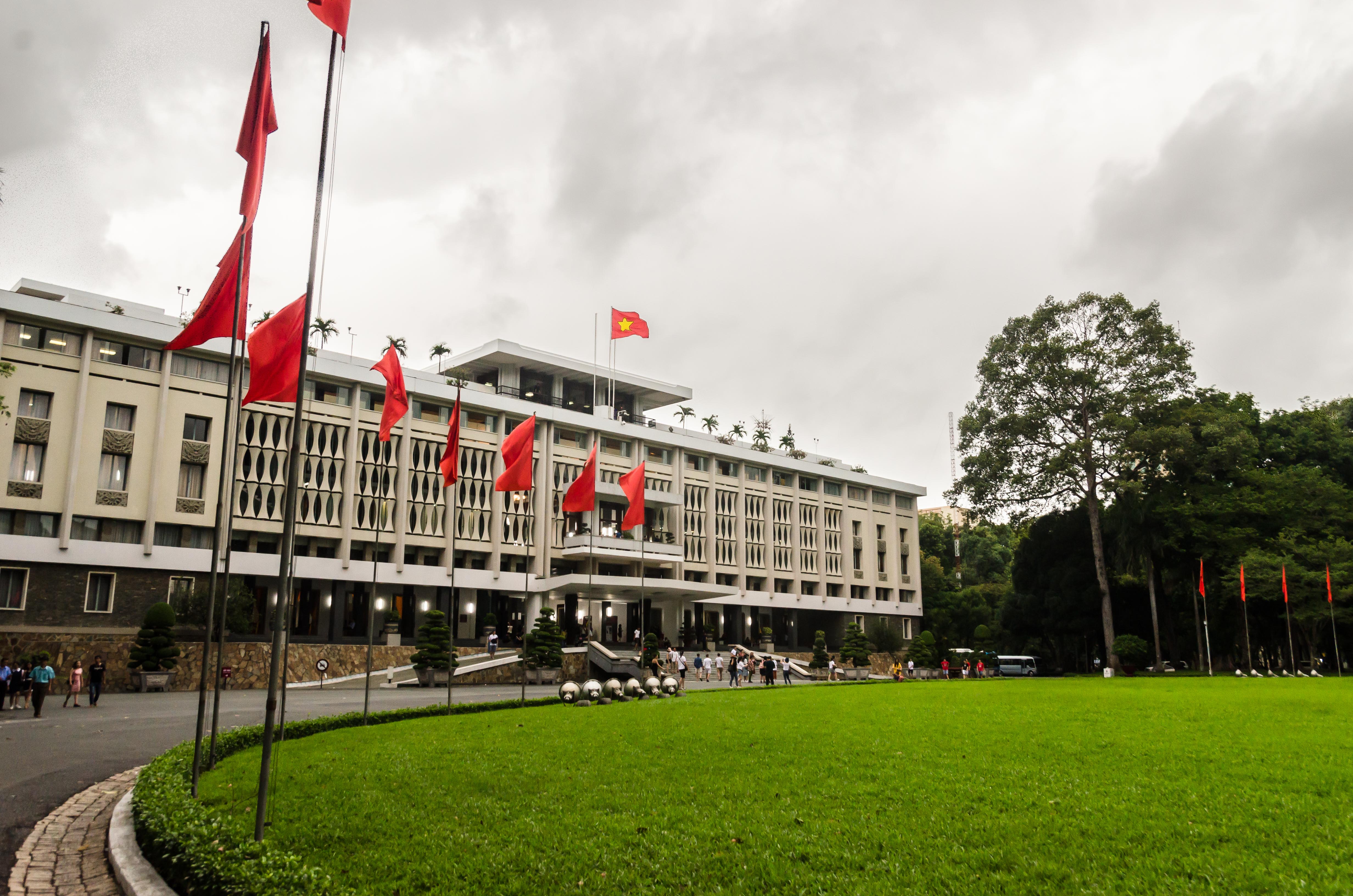
The Palace 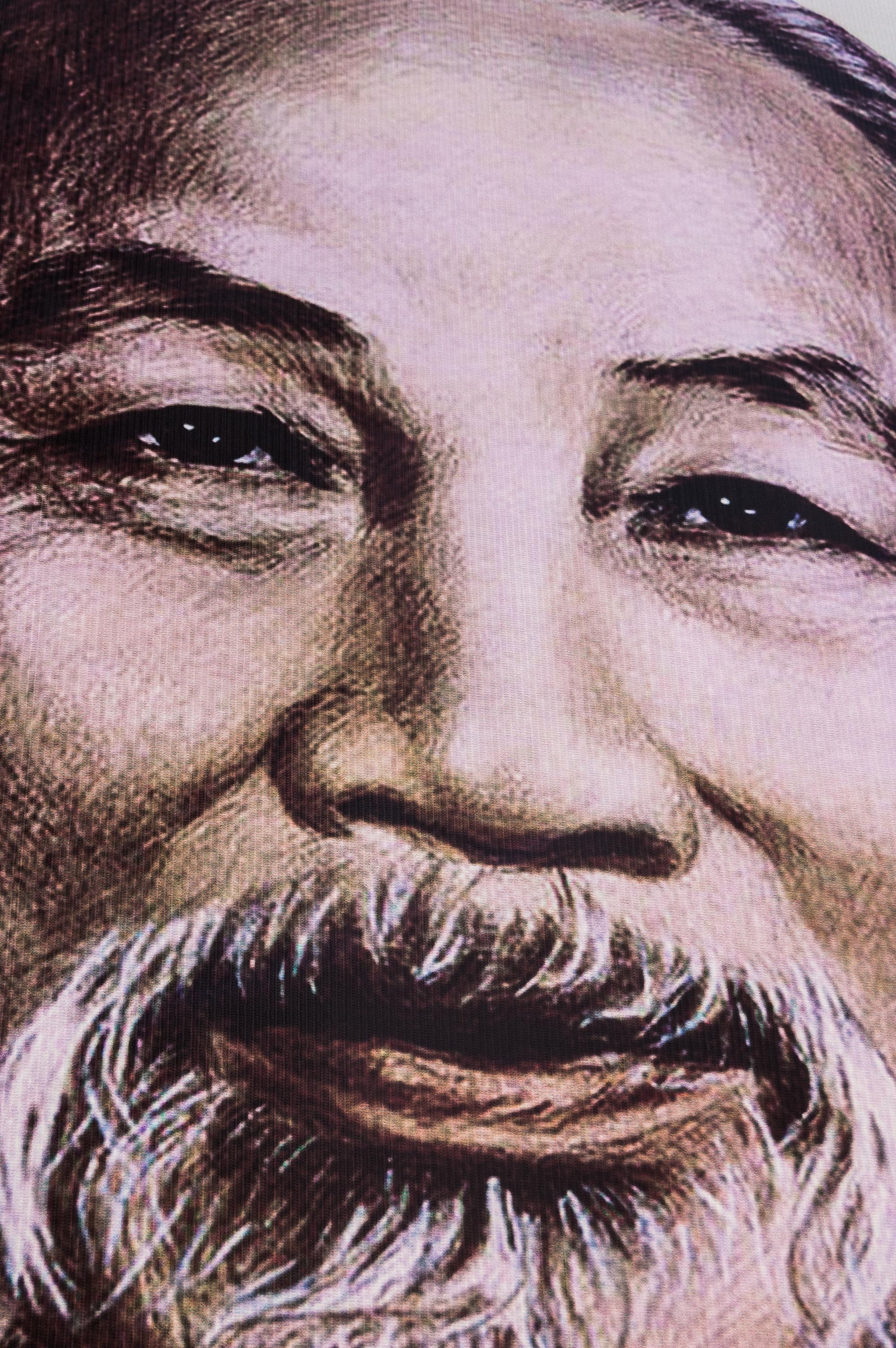
Uncle Ho
Thanks to everyone who is looking at our website. You can follow us on Instagram too.
If anyone has any questions about travelling in Taiwan or Vietnam, feel free to contact us at thekiwiandthekraut@gmail.com



 The Kiwi & The Kraut
You hit the important sights in HCMC. I felt the same way about the propaganda at the museum. The exhibit about the war correspondents still sticks in my mind (I had no idea that Errol Flynn’s son was a photojournalist and subsequently ‘disappeared’ covering the war).
I liked the Presidential Palace – mid-century time warp.
That cat definitely looks like it has a swollen head!
Are you heading to the Cu Chi Tunnels? (Or maybe I should just wait for the next installment)…
Safe travels and enjoy.
LikeLike