
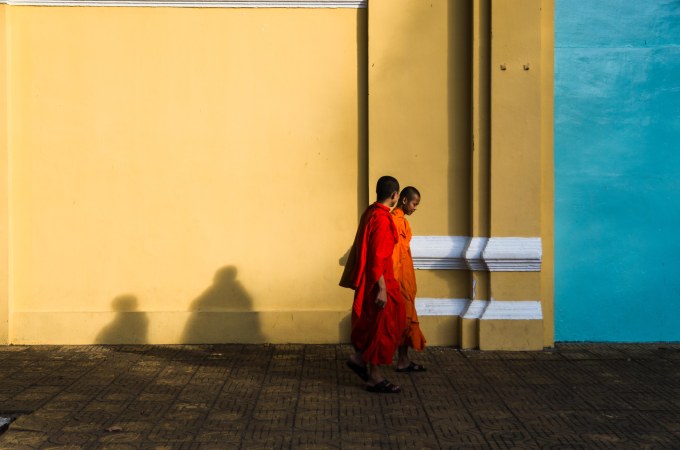
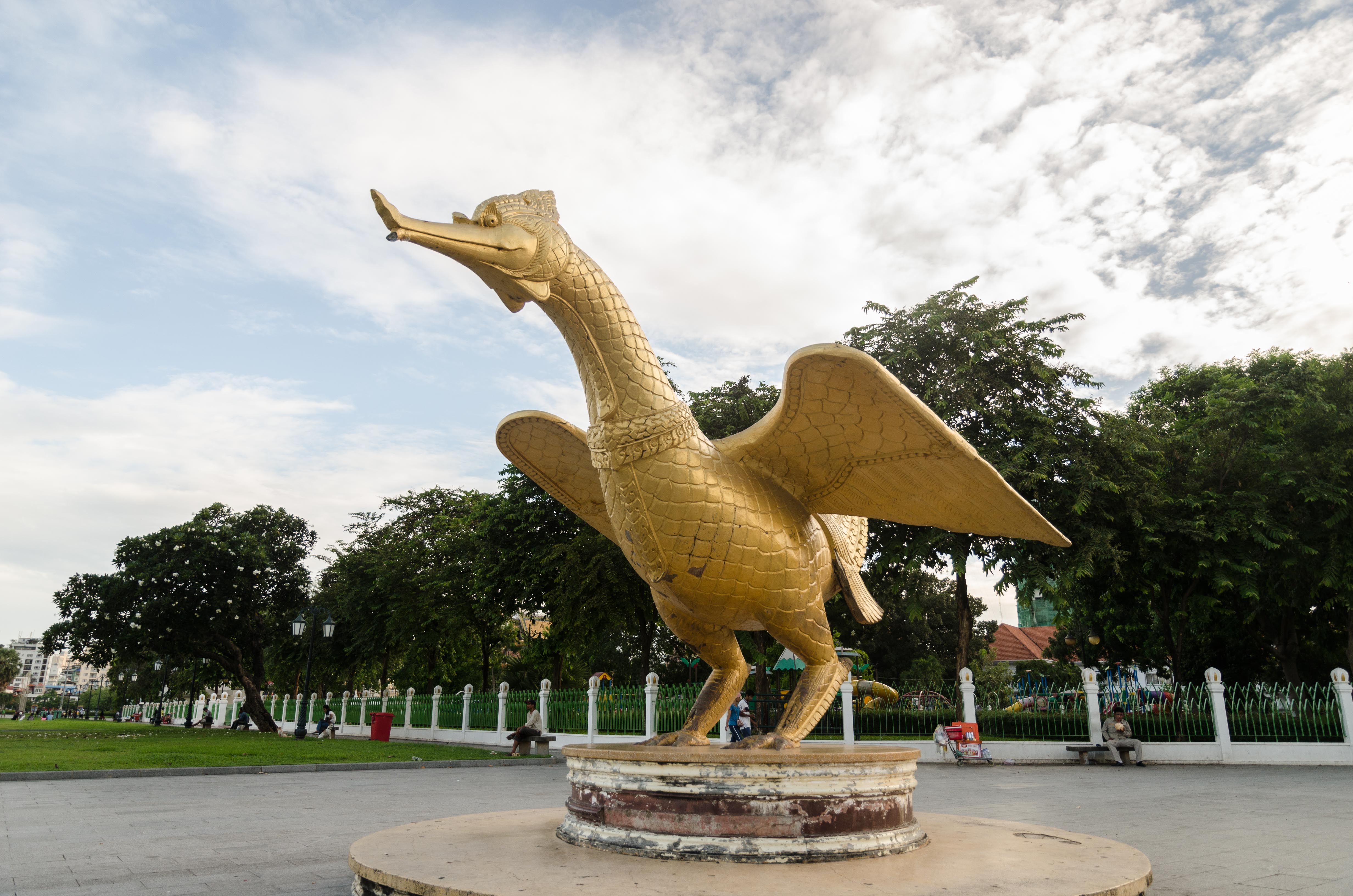
Having made it to our guesthouse, we went for a walk, had a late lunch/early dinner, and found ourselves near the Royal Palace. There was a very relaxed air about the guards outside. The palace was closed for the day, but there was a lot going on nearby. There is a large park, mostly paved but with gardens, where locals gather to do exercise, play football, etc. It was nice to see families entertaining themselves outside their homes.
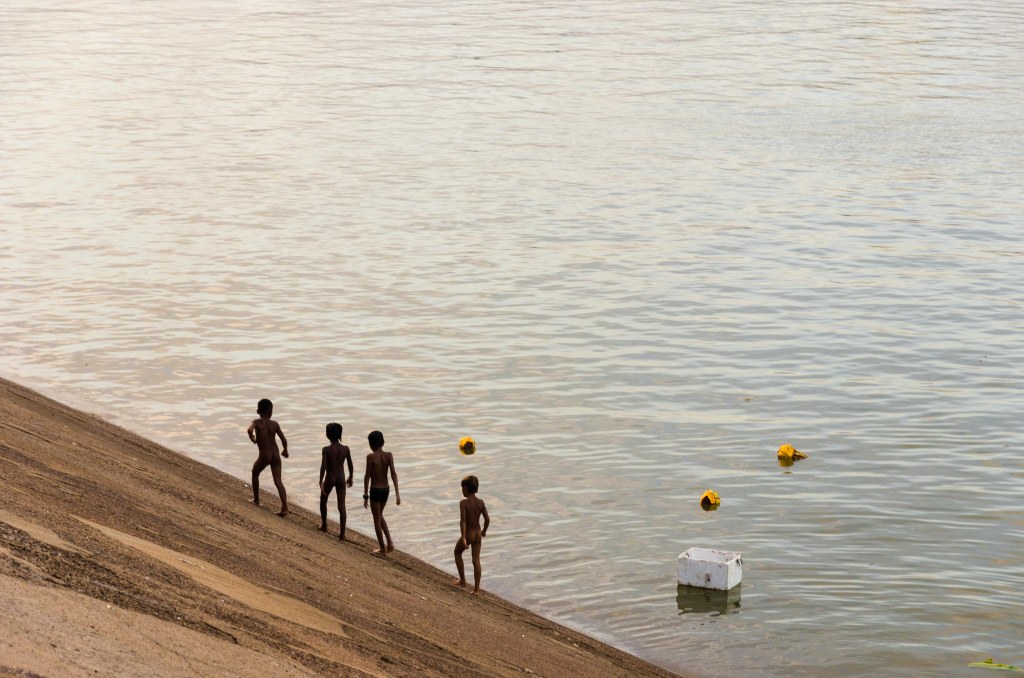
After soaking up the vibe, we wandered down to the river bank for the walk back to the guesthouse. There were more aerobic classes going on, families hanging out, and kids playing in the the river. The river bank is a very steep concrete embankment with stairs in it at regular intervals to allow access to the river.
Our accommodation shares a small street with some disreputable-looking bars, one advertising “Friendly Girls”, and there were a number of local women hanging around who, it would appear, were available for private entertainment. Ignoring them, we made it safely to our room for the night.
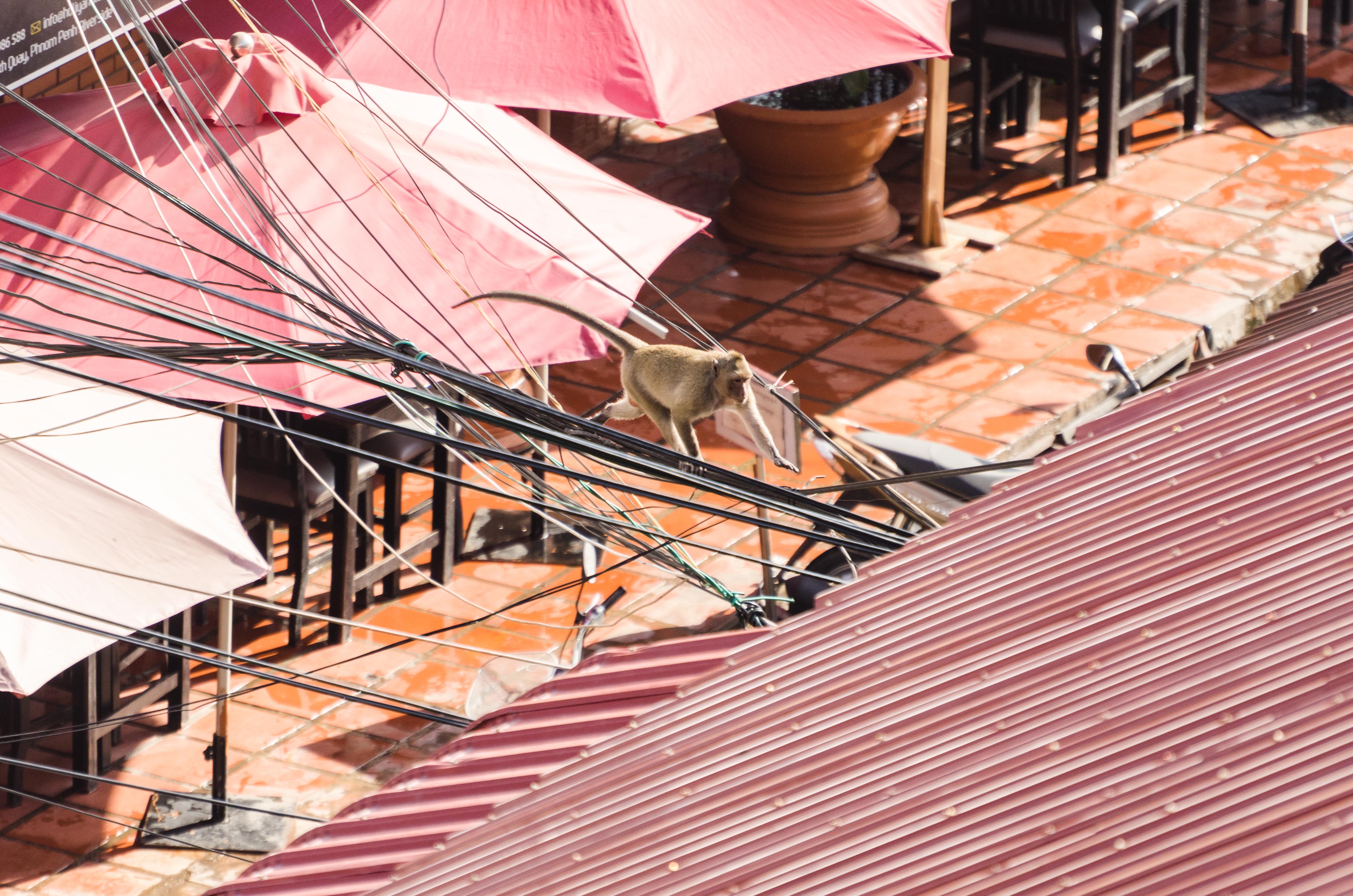
In our room were some signs warning about monkeys. We figured it was just a novelty but the people running the guesthouse assured us that leaving the window or balcony door open was asking for monkey trouble. On our way to breakfast the next morning we saw some monkeys wandering along the bundles of phone wires above the street. So there you go. There was razor wire around the top of the building, we were on the top floor of 5 (there is no floor 4), and on neighbouring roofs to keep them away.
WARNING: Some of the following is not pleasant reading.
Our tuk tuk driver collected us just before 0800 on Wednesday morning. The day would prove to be interesting, emotionally draining, and very worthwhile, if not filled with laughter.
Our first stop was at Choeung Ek, also known as the Killing Fields. This is one of over 300 sites where mass graves were found after the defeat of the Khmer Rouge. There are no buildings left from that era, locals were so angry they destroyed everything the Khmer Rouge built. This was where prisoners from Tuol Sleng prison were brought to be executed. Men, women, and children and babies were all killed there. The idea was to not leave anyone alive who could later seek revenge. The Khmer Rouge also stated it was better to execute an innocent person than to let an enemy survive.
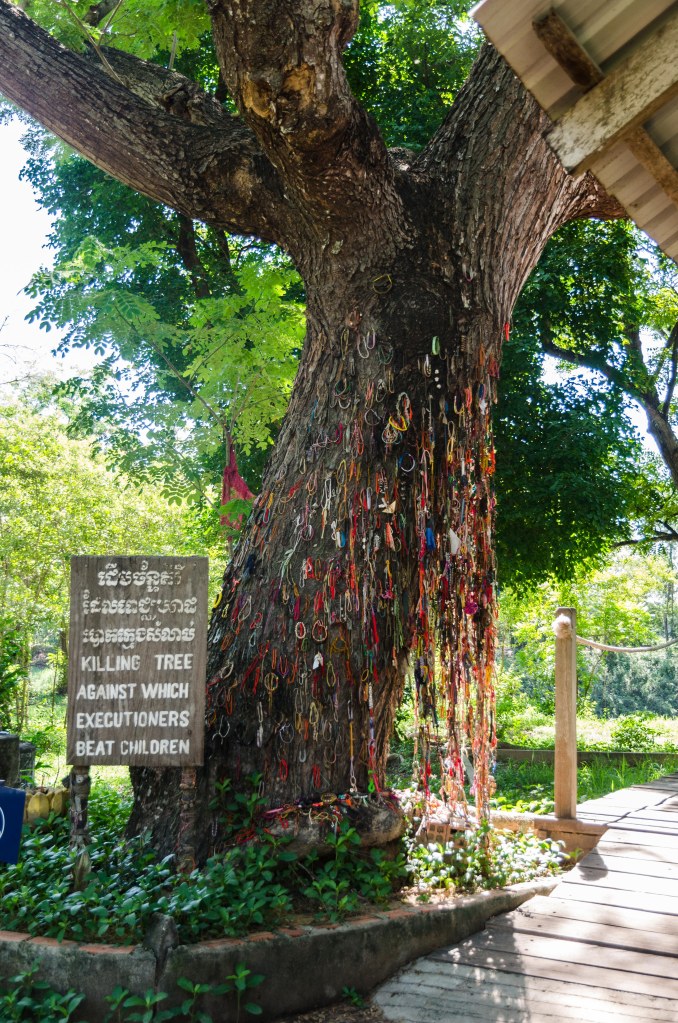
The setting is a nice green space, which in an alternative universe would be a nice park. Unfortunately it is tainted by mass death. The most famous thing on site is the stupa, within which the clothes, skulls, and major bones of some 9,000 victims are preserved. But the most poignant moments for us was seeing clothing still visible in the mass graves (the rainy season brings forth clothing and bones) and the “Killing Tree”, against which babies heads were smashed before they were thrown into a grave. The adults were not shot, bullets were too expensive and gunshots too loud. They were usually killed by a blow to the head with a metal or bamboo bar, or any other gardening tools found in the area (it used to be a cemetery for local Chinese). Some of them were still alive when buried.
The audio guide was excellent, with snippets of memories from suvivors, guards, and others. Hearing from a guy who at age 17 was forcibly enlisted into Khmer Rouge, and found himself having to kill people like this, or be killed himself, was very sad. One excavated grave contained the bodies of 116 headless former guards, who had been suspected of treason.
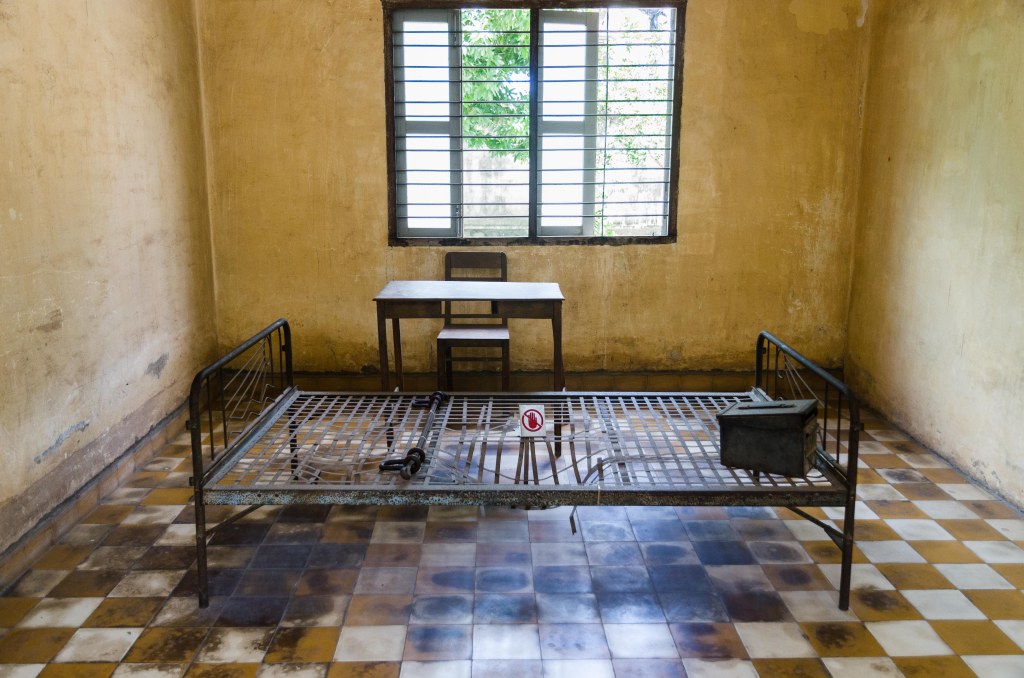
From there we headed back to Phnom Penh to the Tuol Seng prison (S-21), a former high school. This was also a sombre place. It was here that people (up to 20,000 of them) considered enemies of Khmer Rouge (including anyone who wore glasses, and that implied intellectualism) were brought to be tortured into confessing to their “crimes’. There were also foreigners who, for one reason or another, found themselves in Cambodia at a very bad time. Kerry Hamill, a New Zealander, was among them.
One of a very few survivors of the prison was an artist and he later produced some graphic paintings of what the prisoners went through. There were displays of photos of the guards and some of the prisoners, most of the records were destroyed in the final days of Khmer Rouge by the guards before they fled. Fourteen prisoners were found dead when the prison was liberated, they had been killed by the guards before they left. Their graves are in the courtyard. The photos of their bodies in the interrogation rooms where they were found were not pretty, to avoid attracting attention the guards didn’t shoot the prisoners, they bludgeoned them to death with whatever was available.
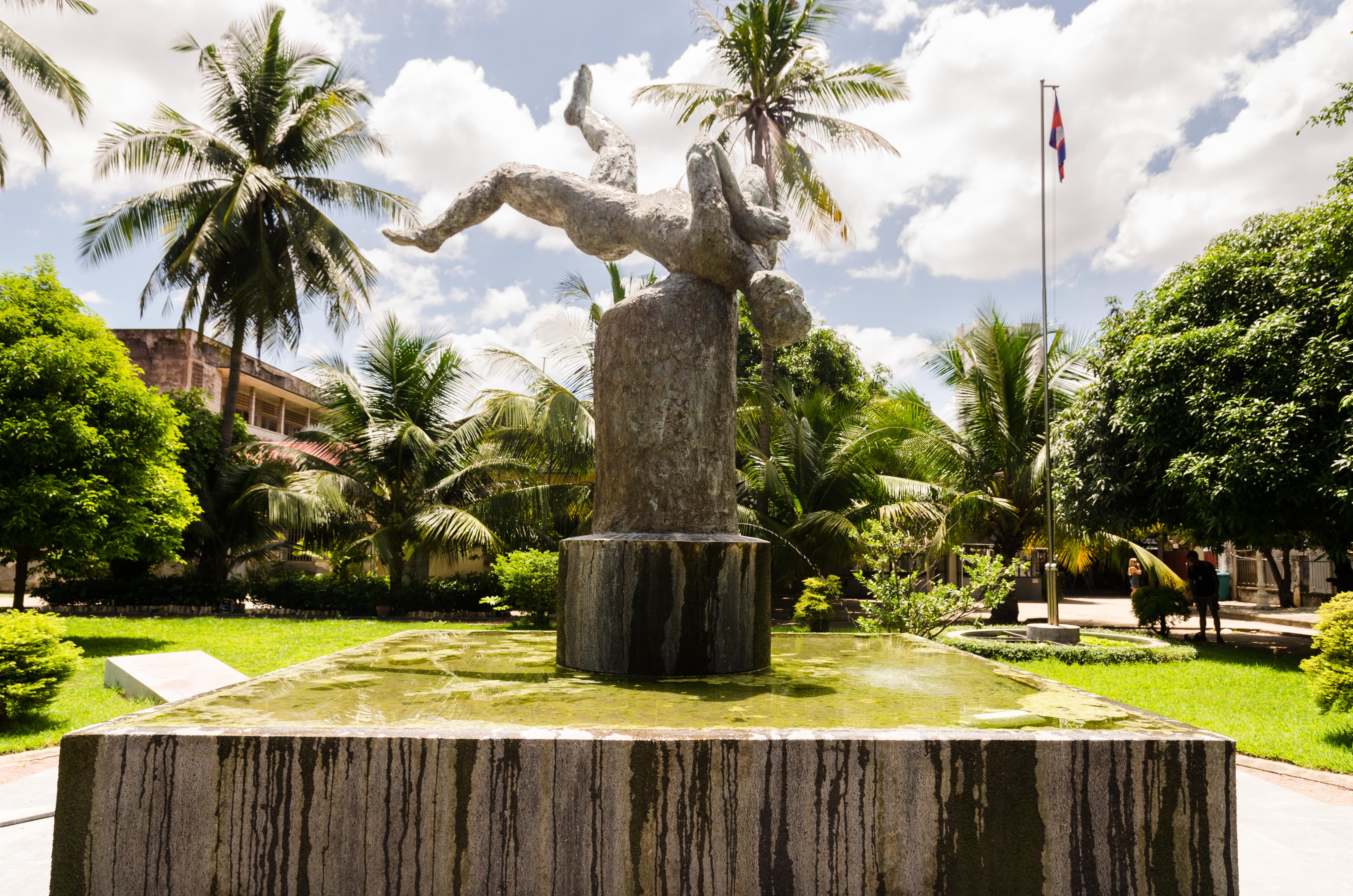
The whole day was a reminder of how brutal people can be towards each other. After World War Two people said “never again”, but this sort of thing has happened again and again since then. We were told by a reliable source that there are still supporters of Khmer Rouge around in Cambodia. That is scary.
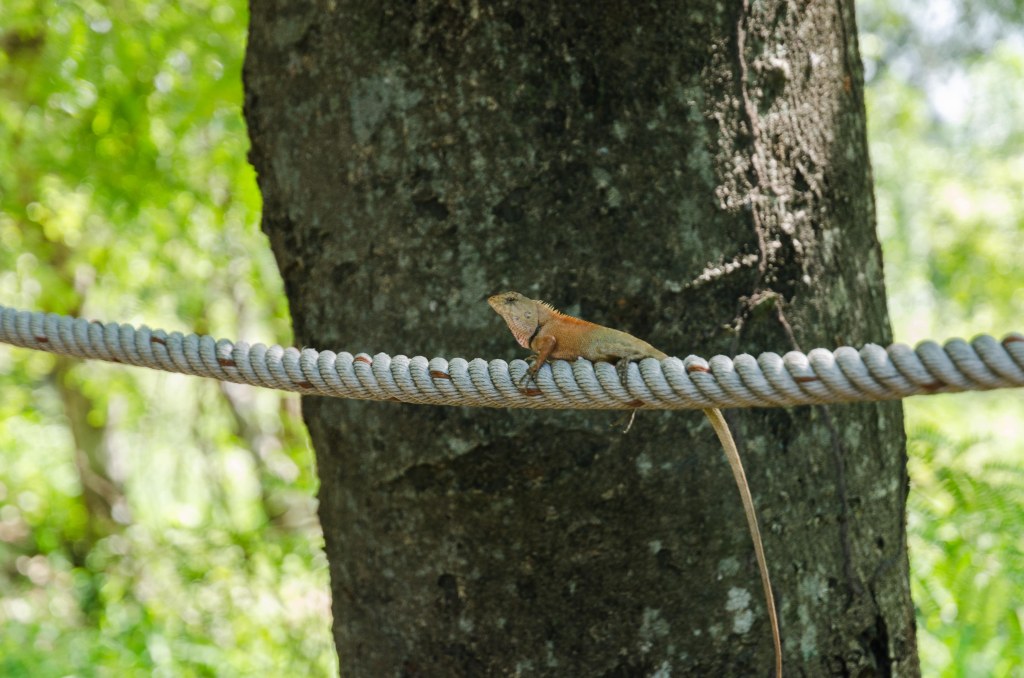
There were a few bright spots in the day. Riding through traffic revealed some interesting sights, and we saw some nice lizards at Choeung Ek. Another smile came from seeing a hotel with the flags of several nations fluttering outside, inlcuding an Australian one flying upside down.
We got our tuk tuk driver to drop us at the same restaurant where we ate the day before. The restaurant has a huge array of board games for customers to play. While eating lunch the rain came. It poured down, but it is supposed to be the wet season after all. The rain had eased off by the time we walked back to the guesthouse, but we had a nice sound and light show courtesy of some lightning and thunder.
That was our day. Oh yes, Kiwi ventured out to buy an icecream at the night market. A few of the Ladies of Negotiable Affection tried to get his attention but he bravely walked the gauntlet and made it back unscathed and untempted.
A much needed sleep-in was first on the agenda for Thursday. Having woken without an alarm, we had breakfast. Over breakfast we discussed where we would go next and what we would do there. Nowhere we could see from our online research looked like it was going to be worth the all-day bus ride to get there, especially given the time restraints we were operating under, so we decided to go to Siem Reap.
So, having finished breakfast we walked around the corner to the office of the best rated bus company. Unfortunately they were having IT issues so we had to walk to their depot to buy tickets, passing the childrens’ hospital on the way where there were a lot of people and their children waiting outside on the footpath.
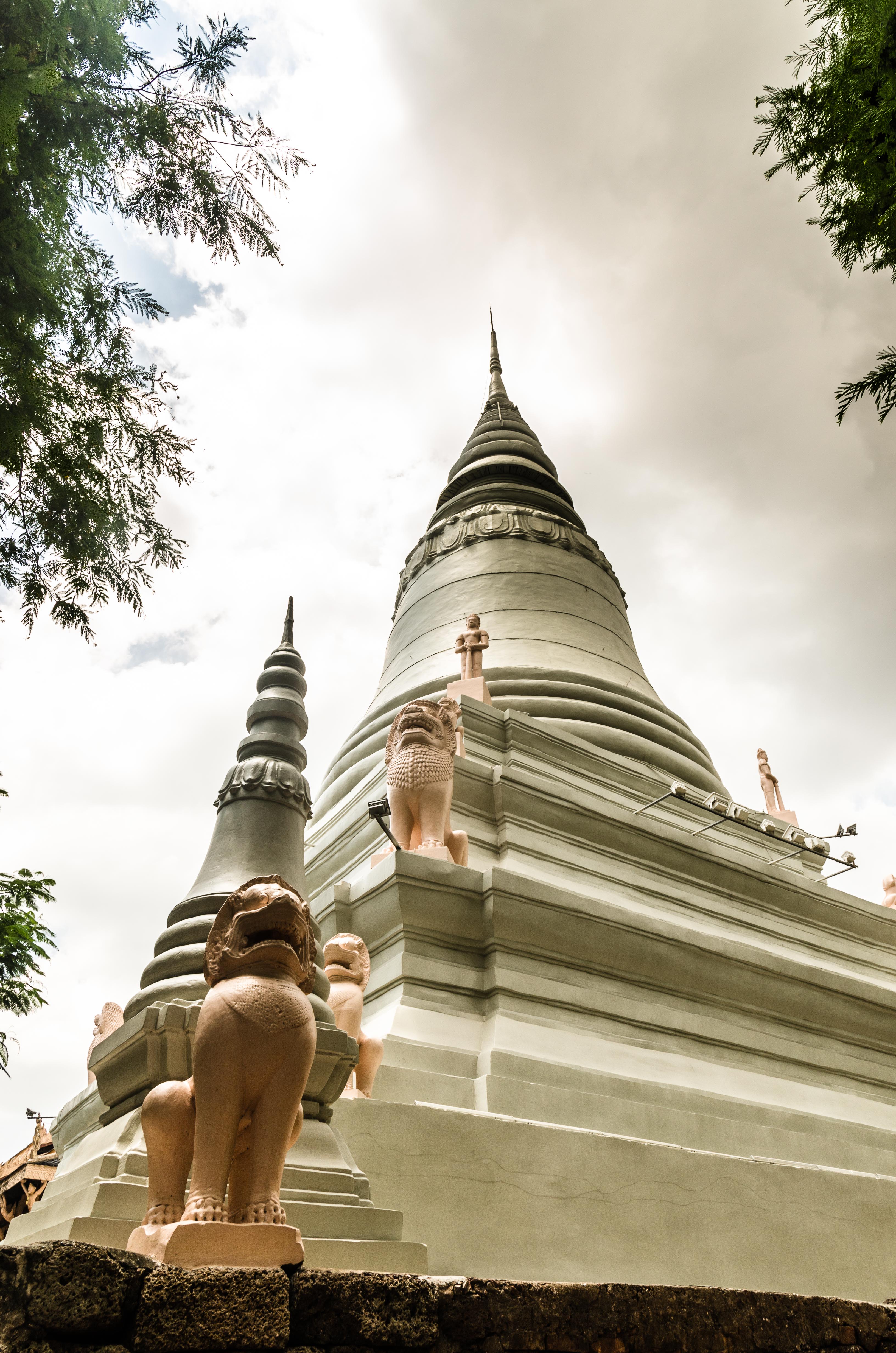
Having done that, we next visited Wat Phnom, which we thought was just a nice park. But it is a bit more special apparently, special enought that foreigners had to pay US$1 to get in. Built on the only hill in the city (27m high, manmade in 1372), the wat (buddhist temple) was built to contain some sacred relics. After wandering around the area we visited the arts and crafts centre within the park. They had some nice handicrafts like wood carvings, silk, pottery, etc for sale. The park was a nice, relatively quiet spot to spend some time.
Then it was lunch time, followed by a visit to a local supermarket so we could buy some snacks for the next day’s bus ride. Feeling the heat, even the breeze was warm, after all that walking in 35° we then retreated to our room for a break.
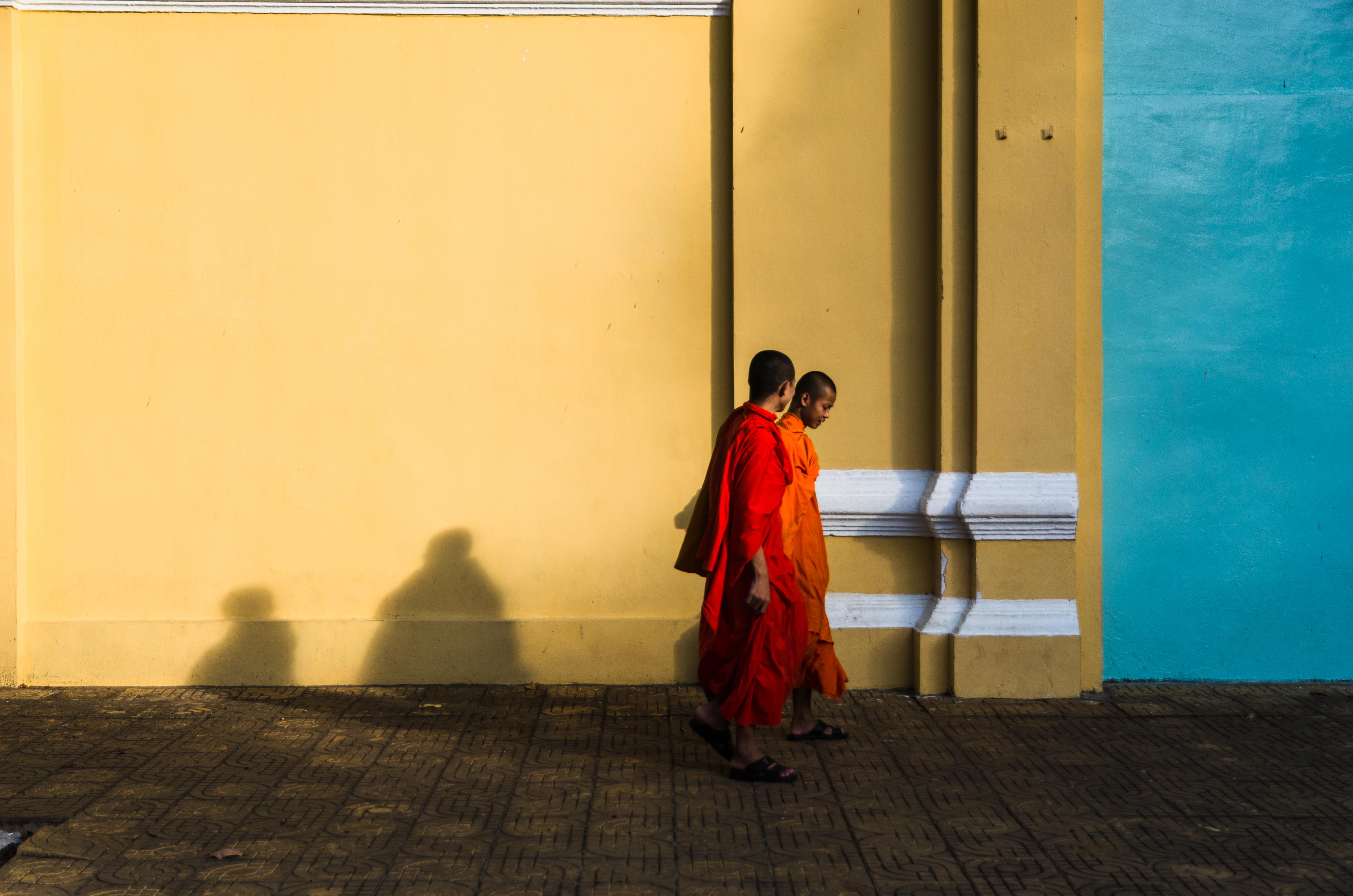
We had to set our alarm on Friday morning, we had a bus to catch. Before going to breakfast we watched the monkeys playing on the rooftops over the road. Breakfast was eaten, bags packed, tuk tuk taken to the bus, and Phnom Peng left behind
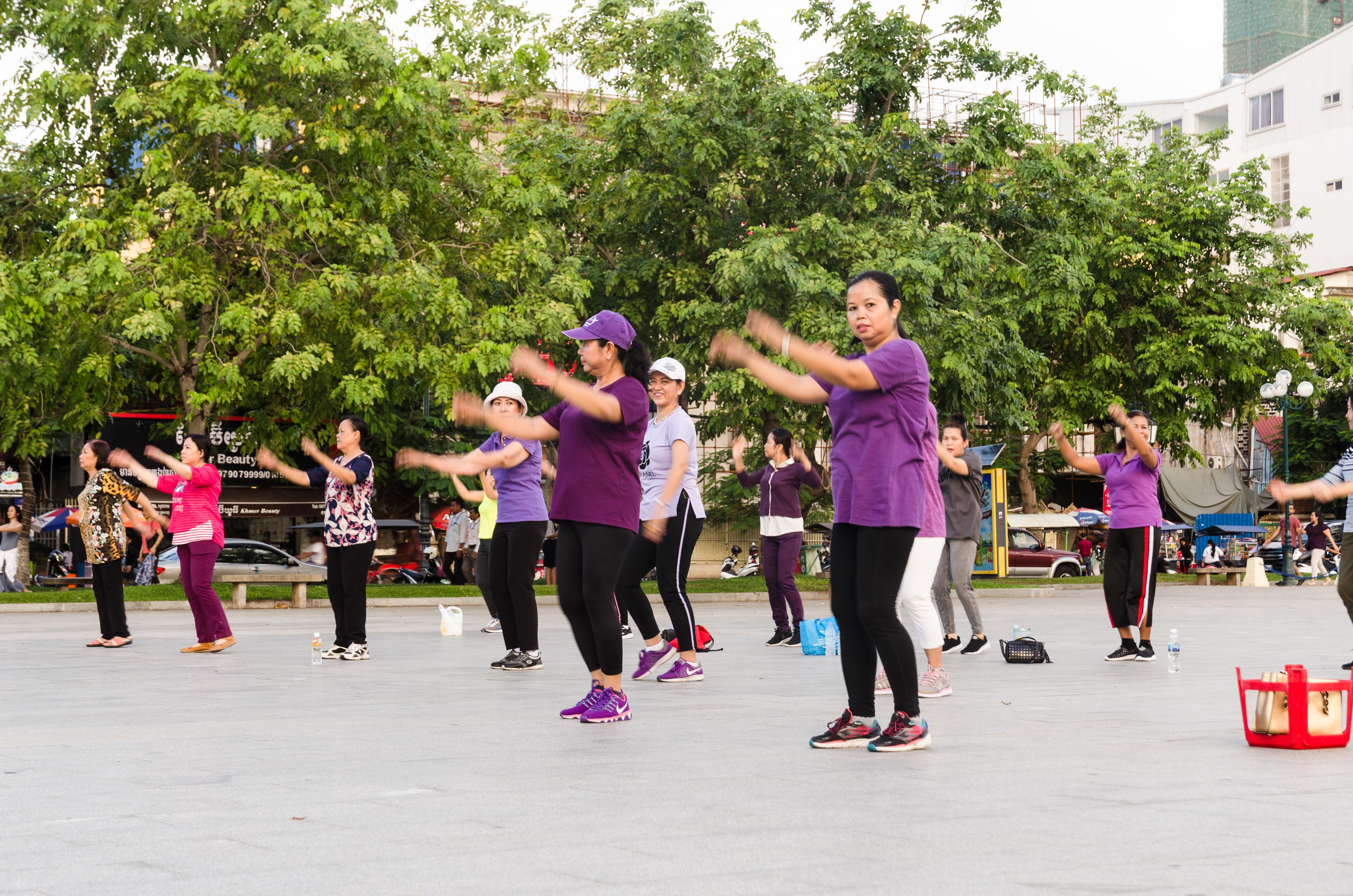
Exercising In The Park 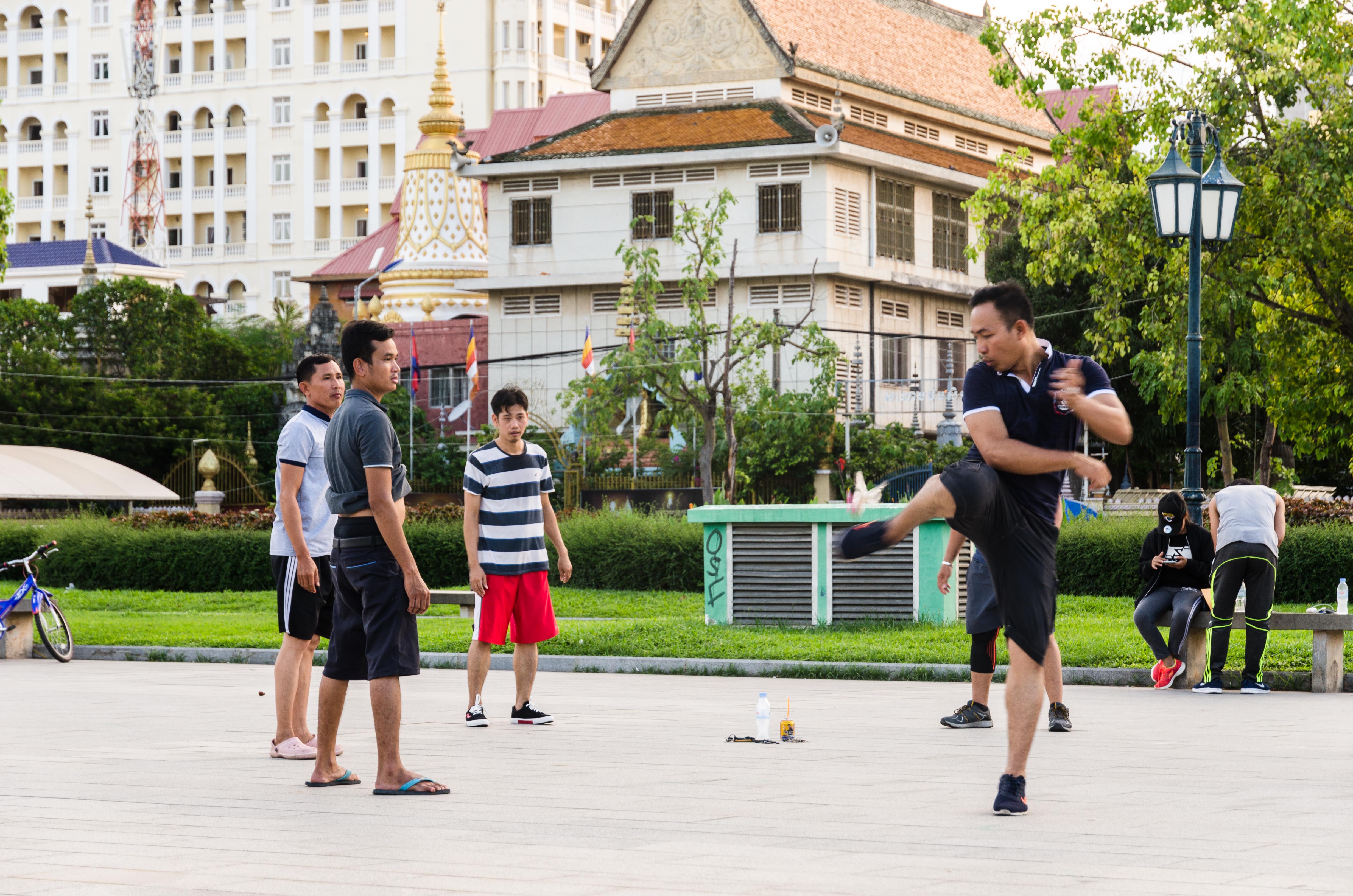
Playing In The Park 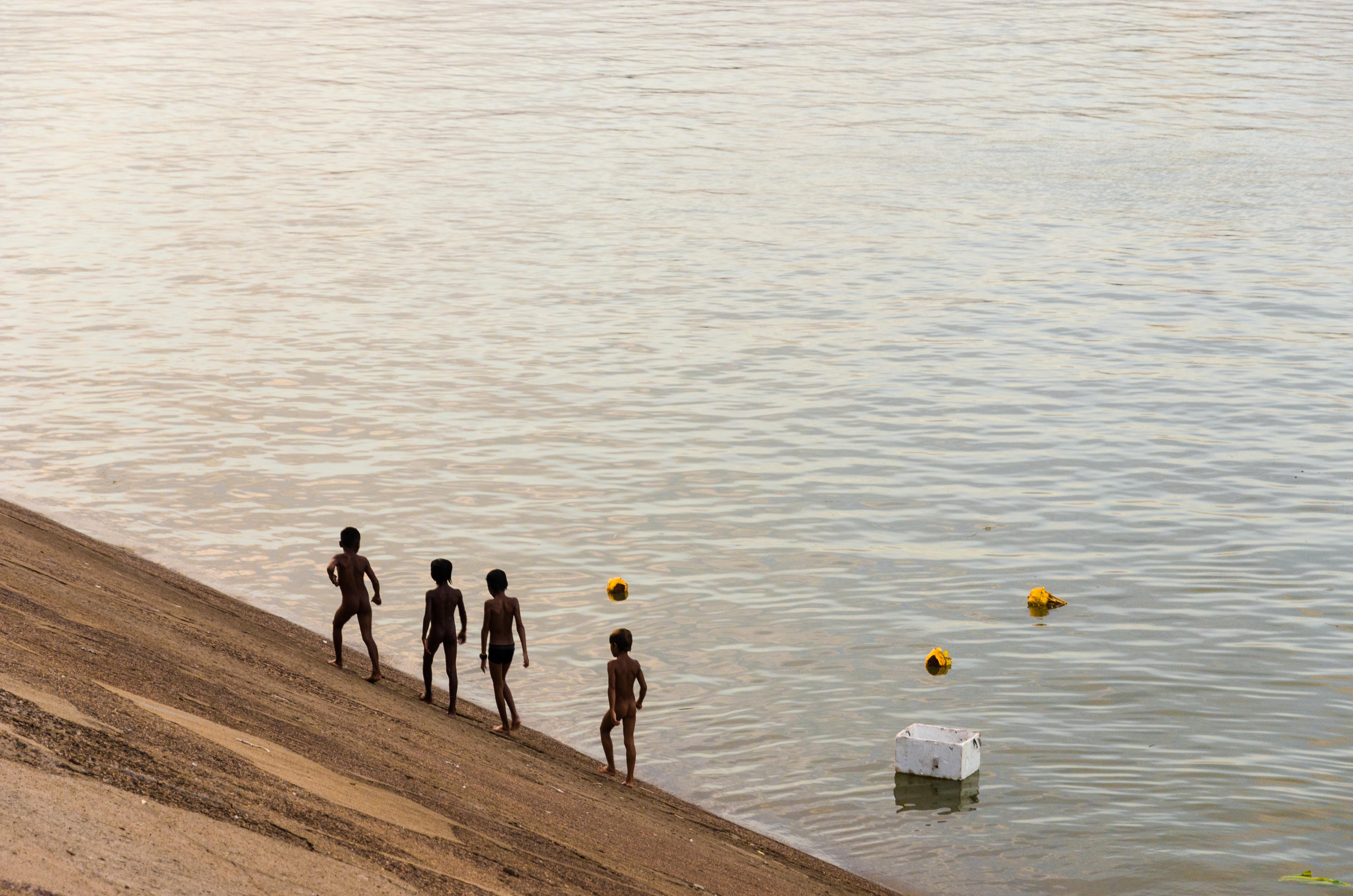
Kids By The River 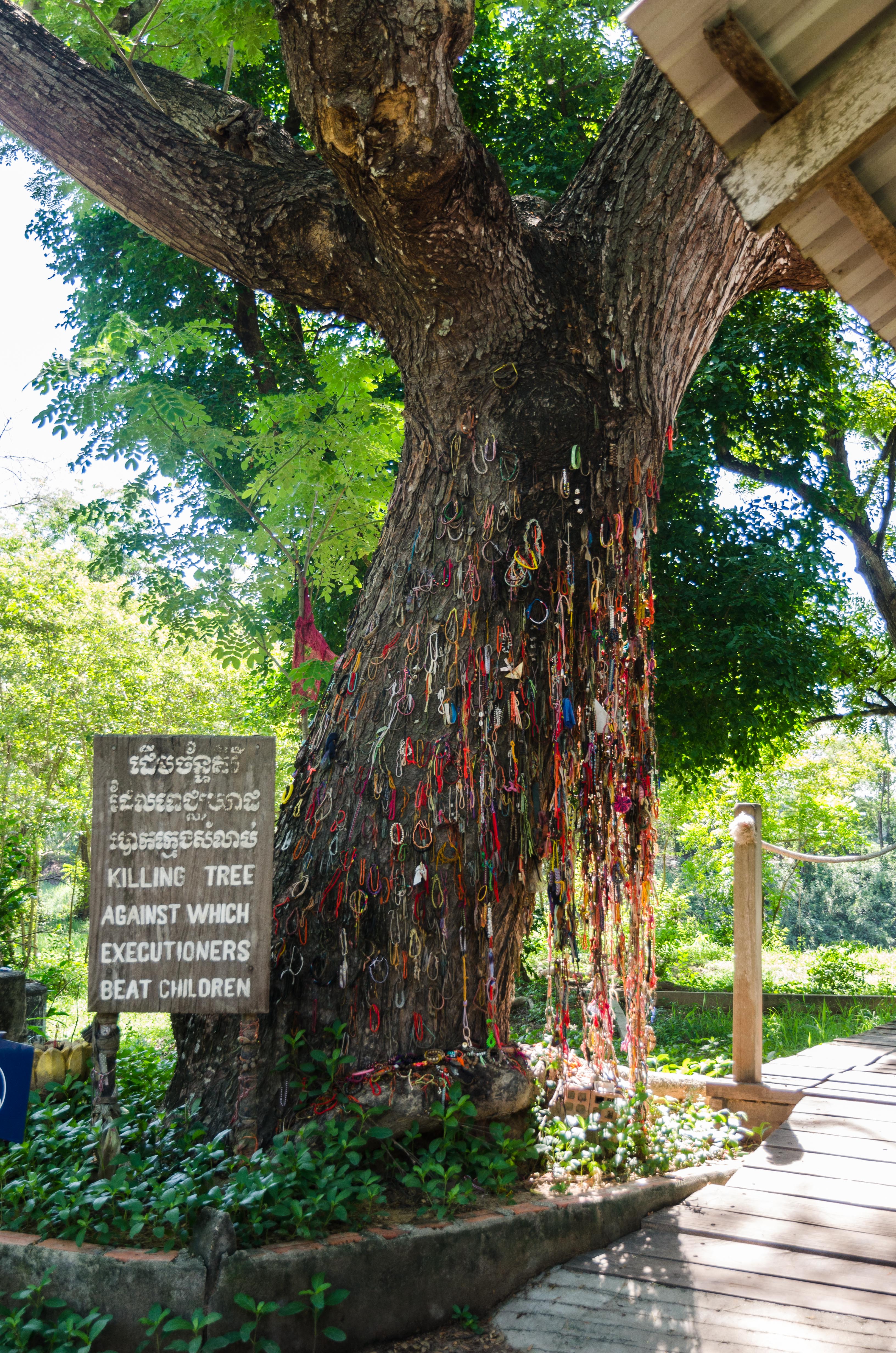
The Killing Tree Covered With Friendship Bracelets 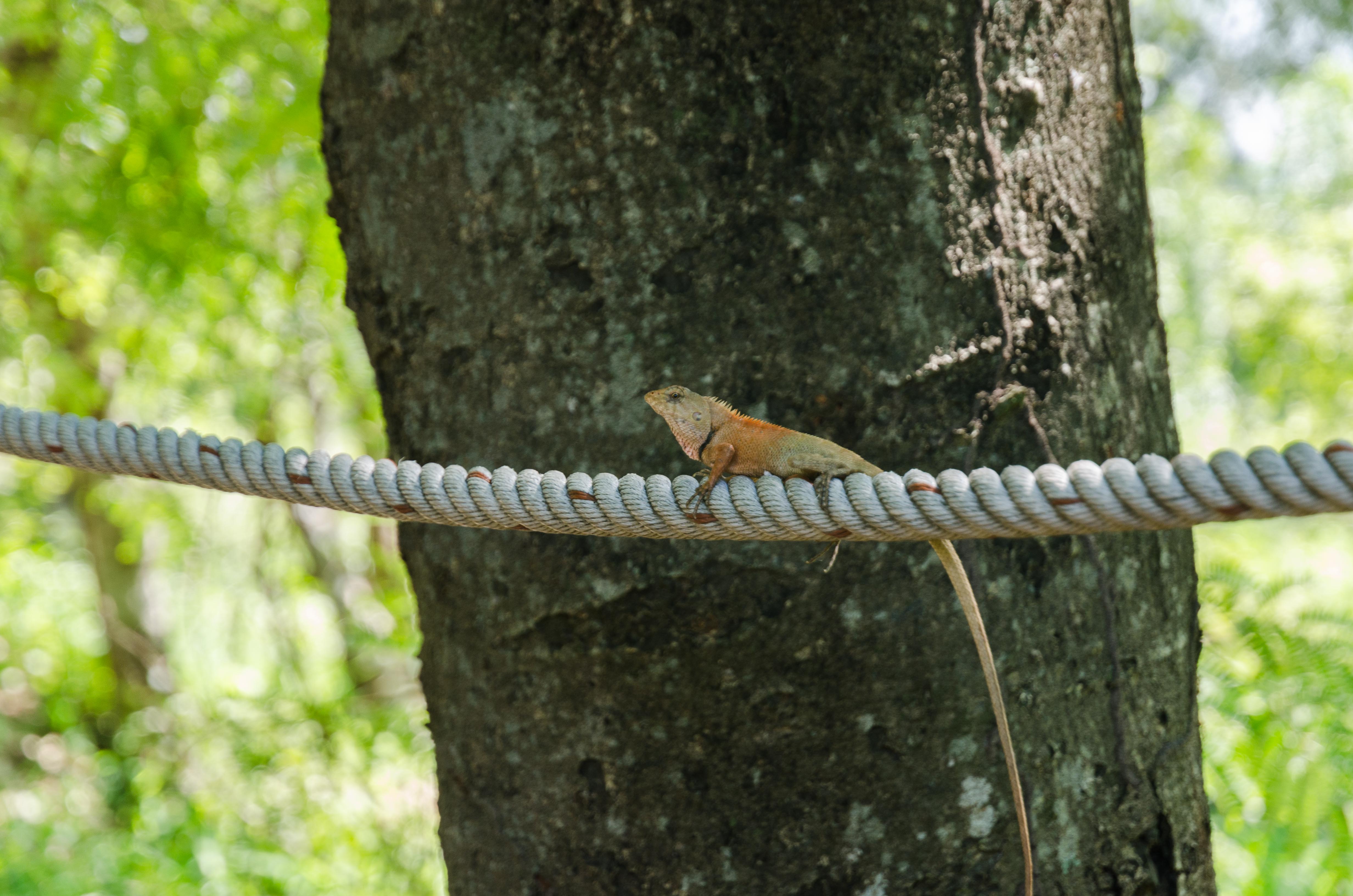
A Rare Bright Spot at Choeung Ek 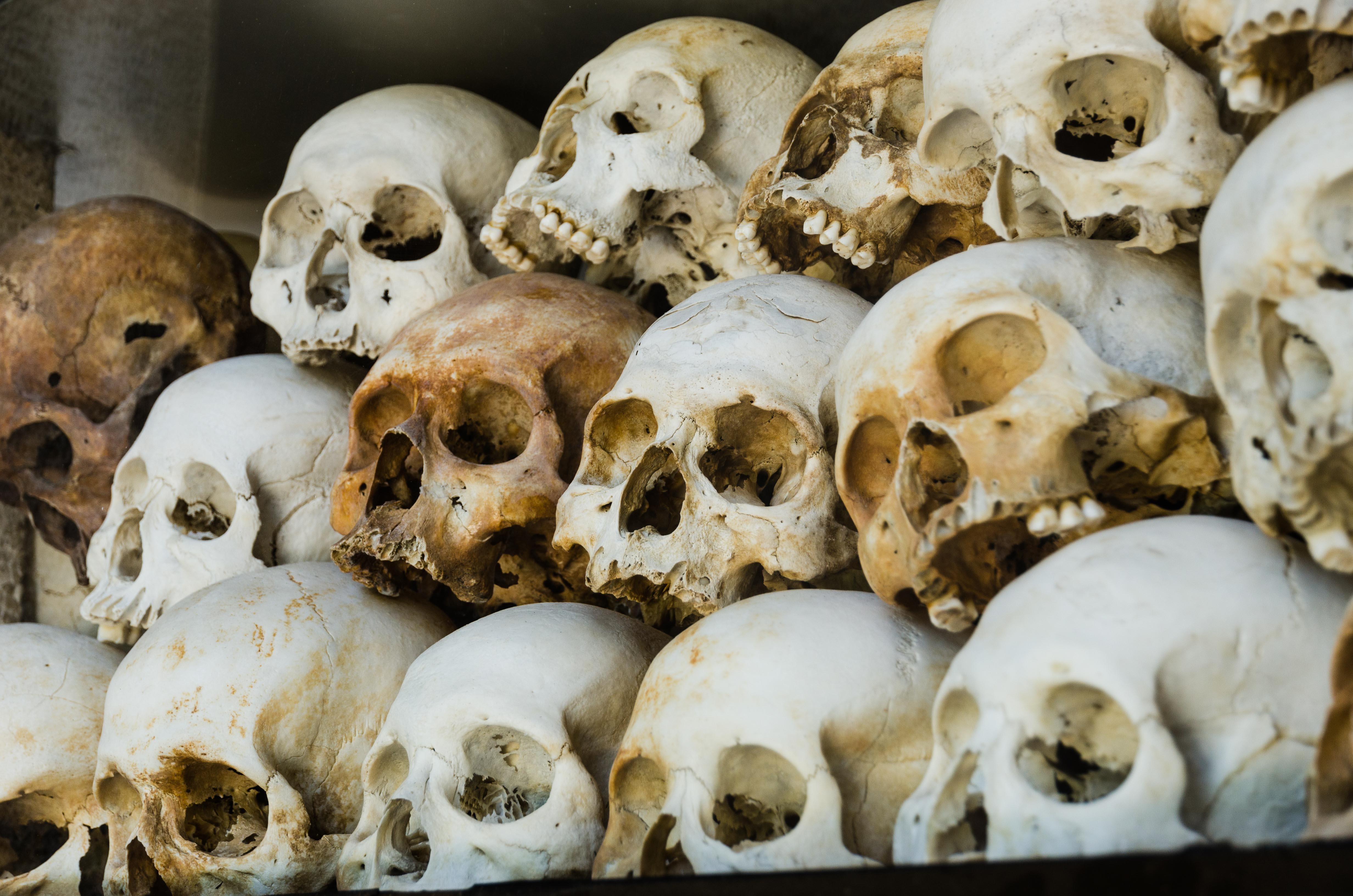
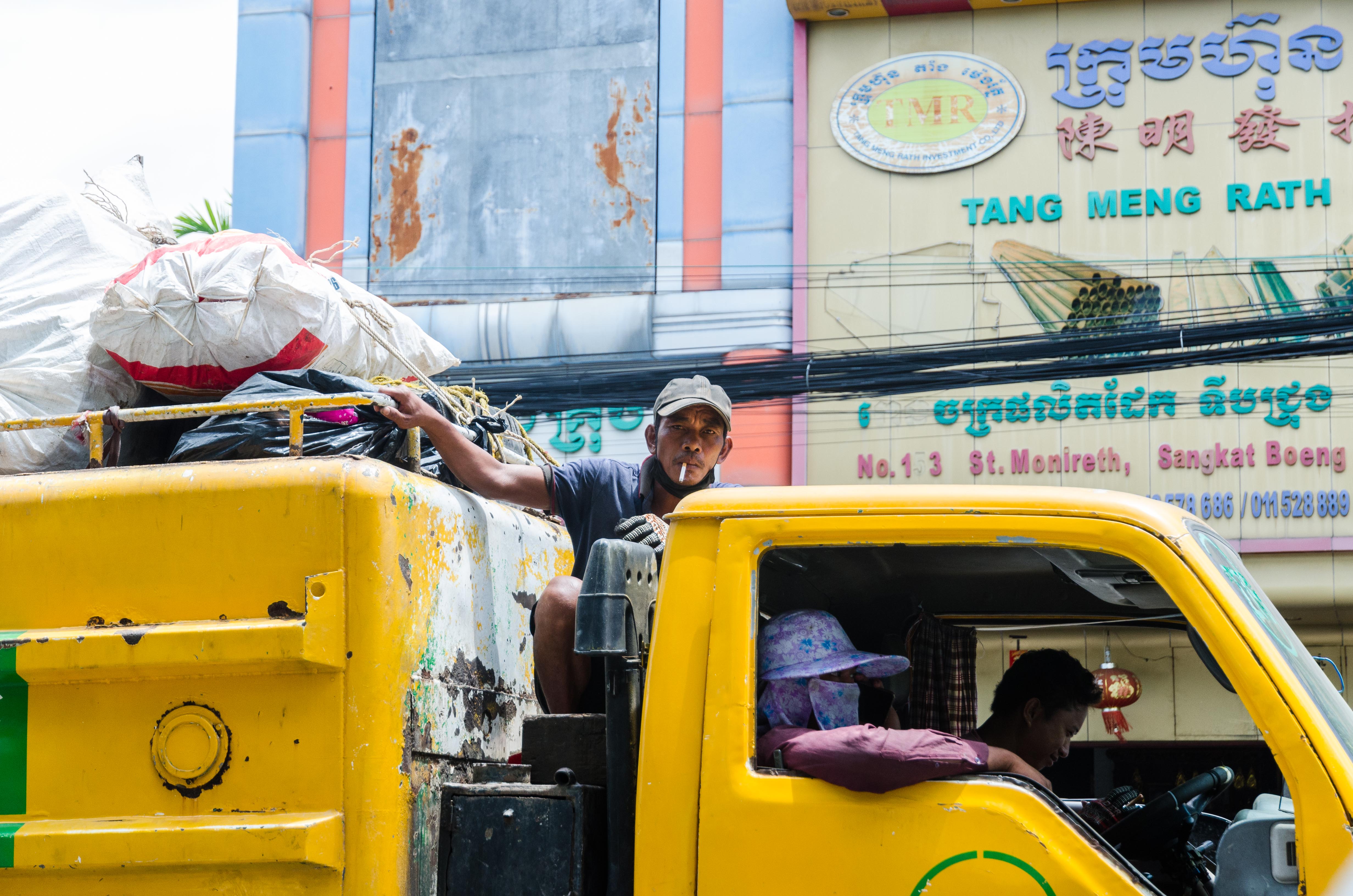
Rubbish Truck 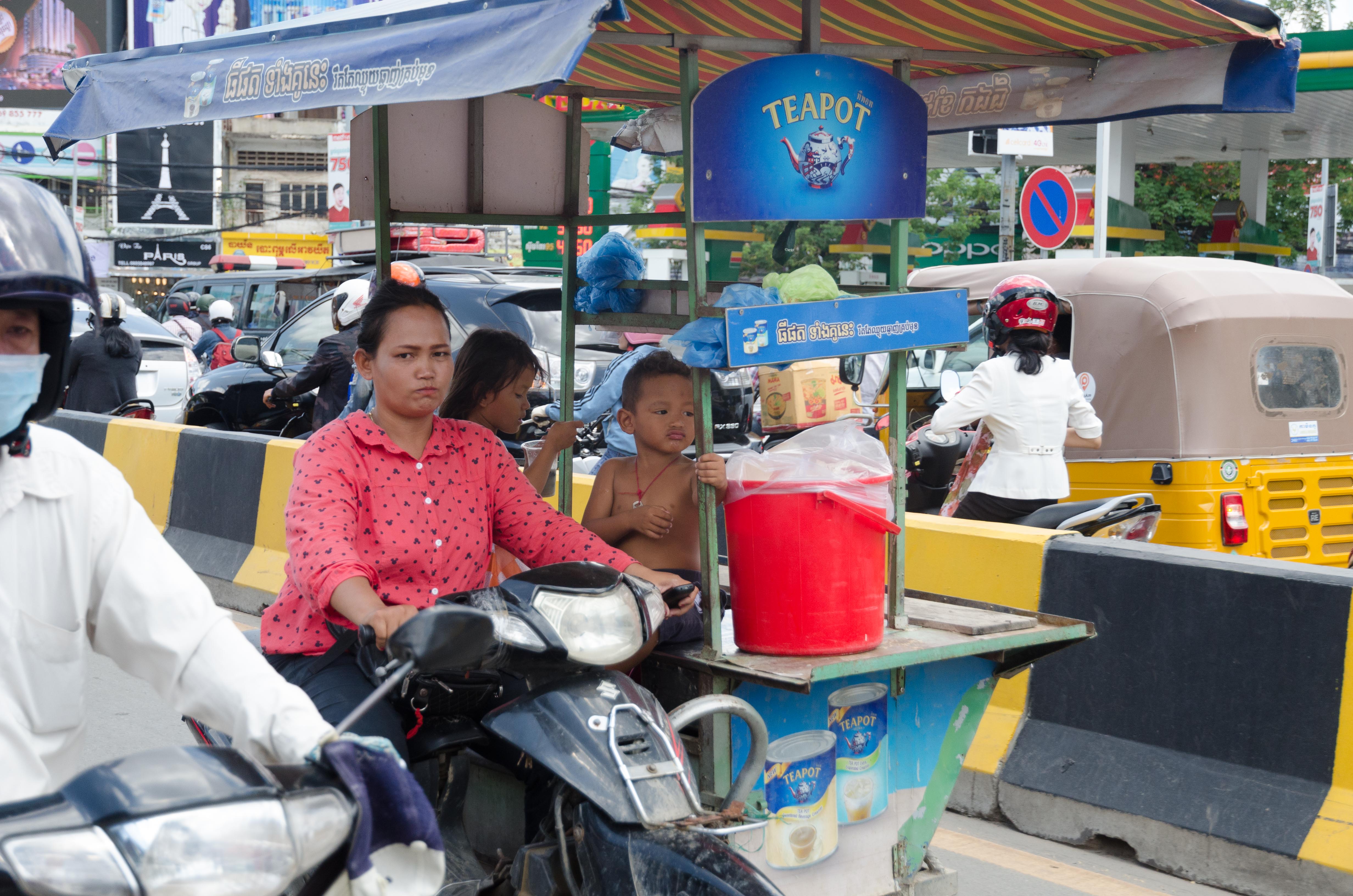
In Traffic 
Interrogation Cell At Tuol Sleng Monument At Tuol Sleng 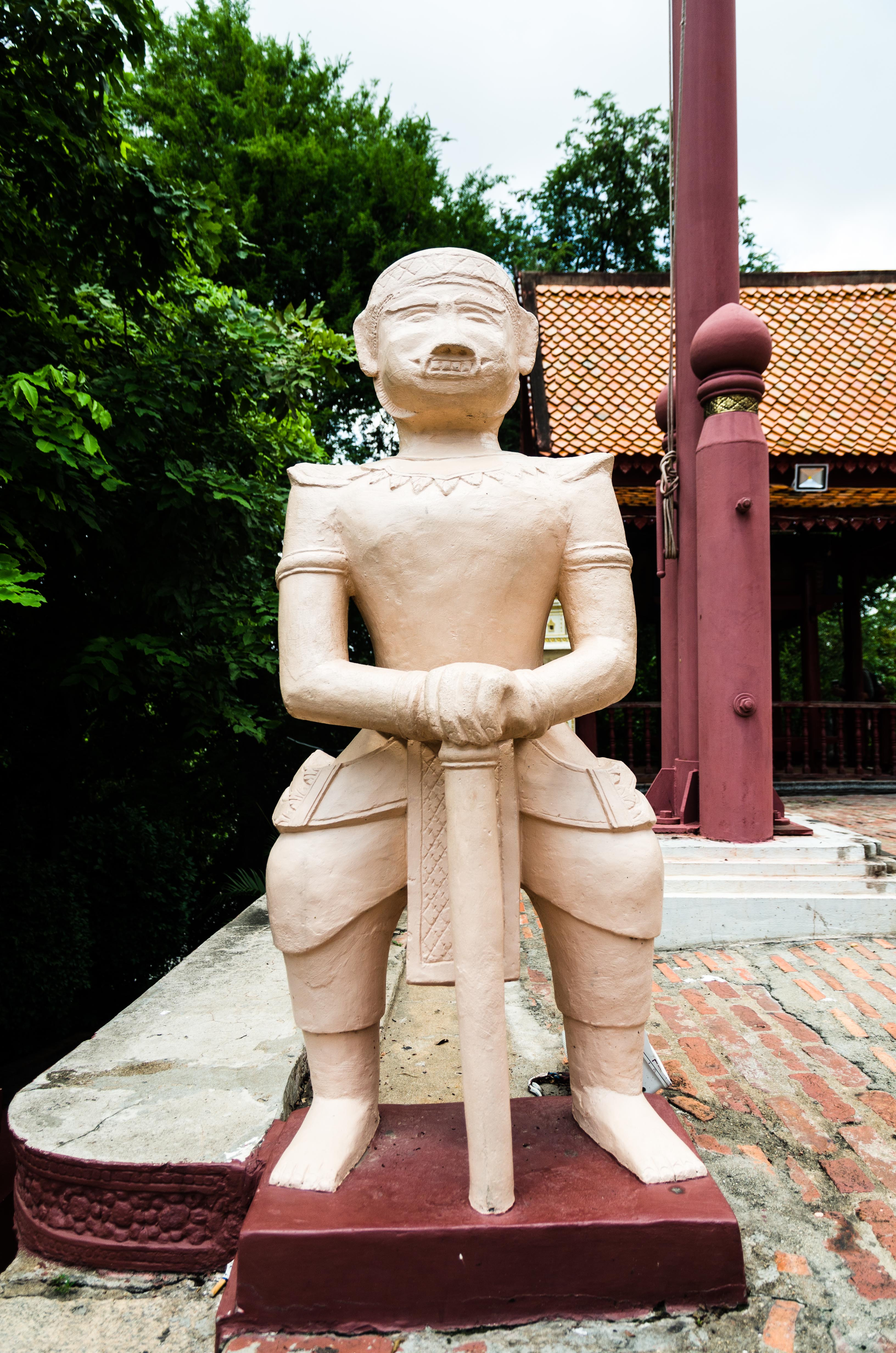
Wat Phnom Wat Phnom 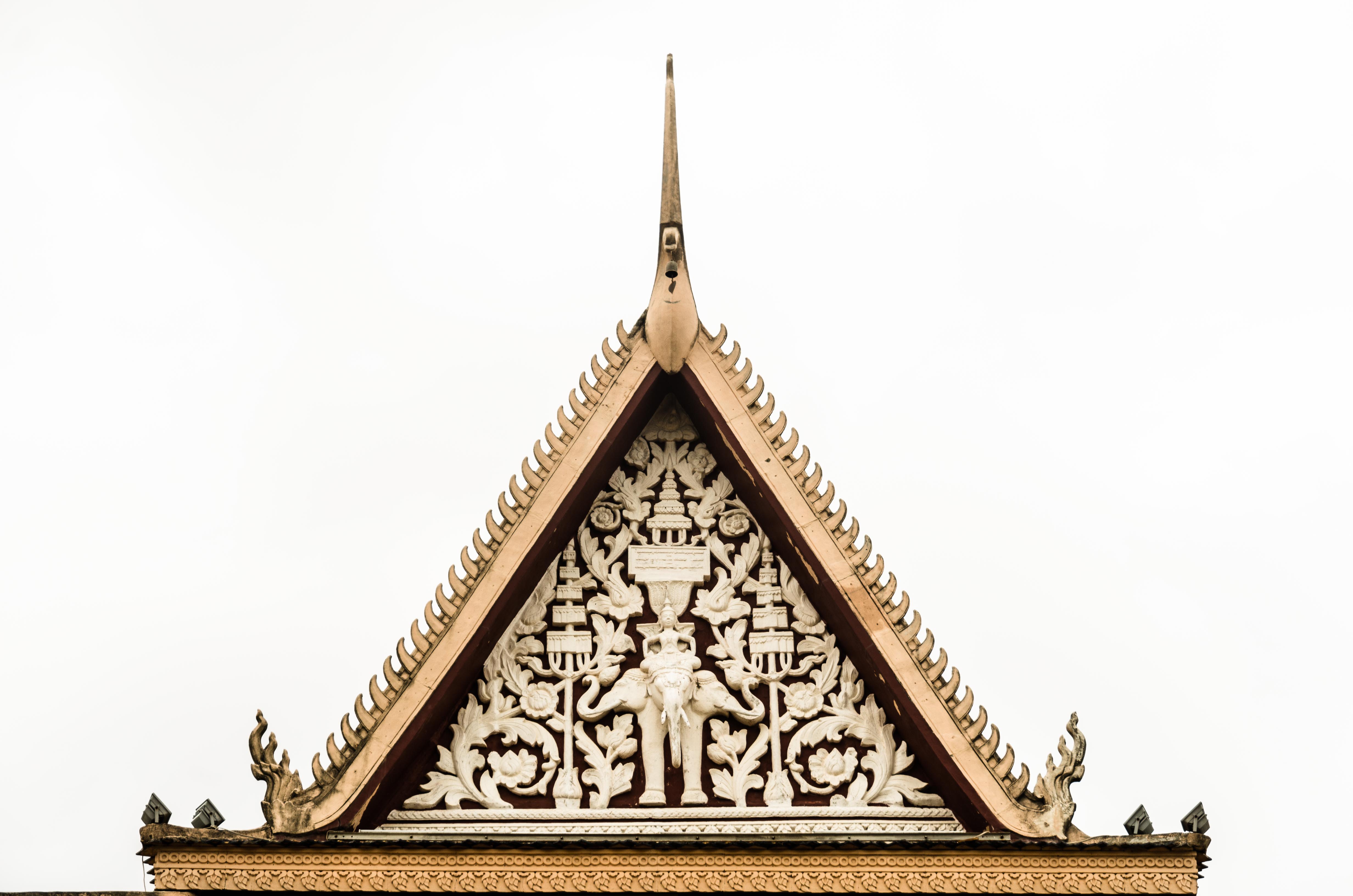
Wat Phnom 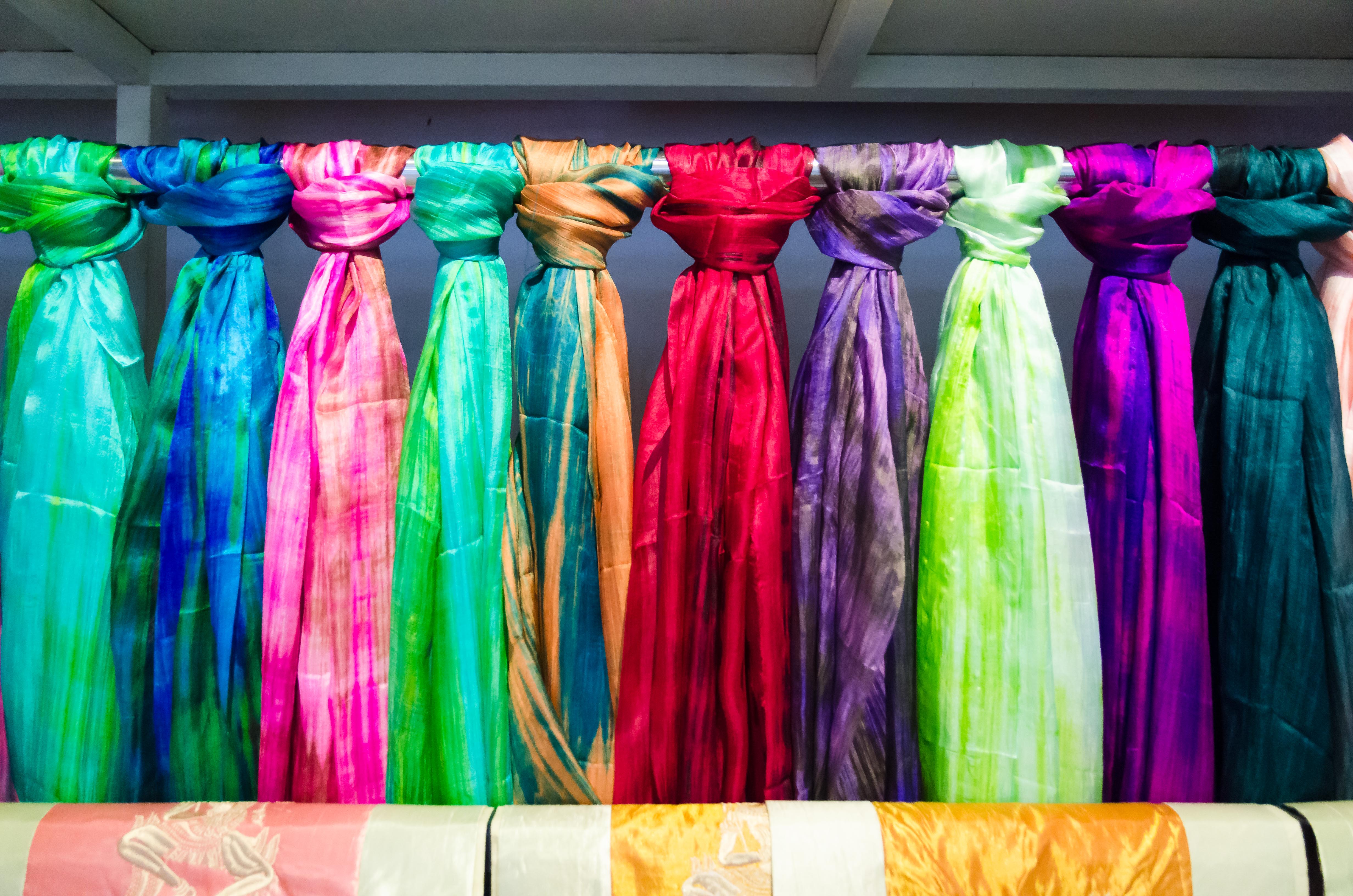
Silk 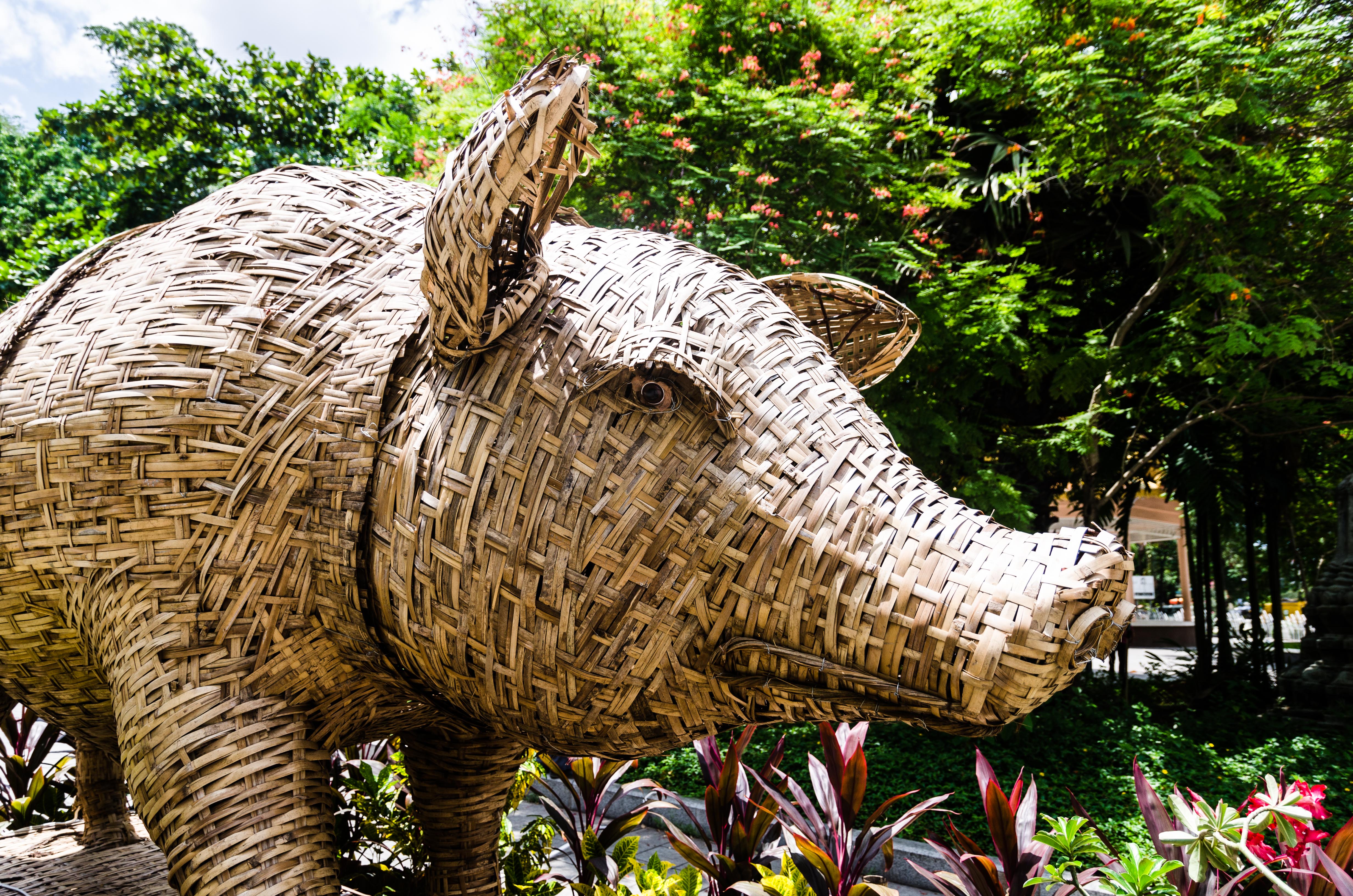
Large Pig, Wat Phnom 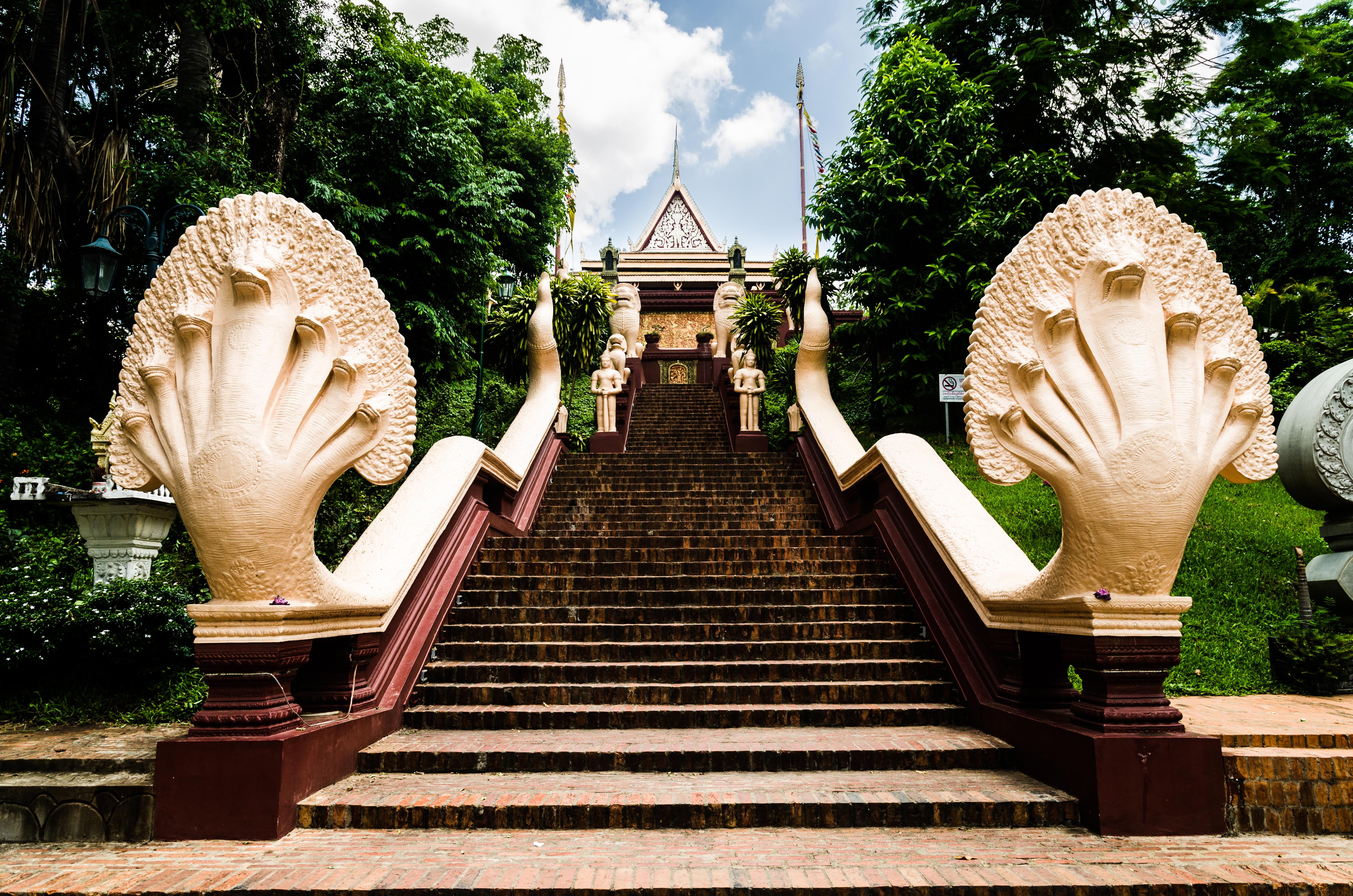
Wat Phnom 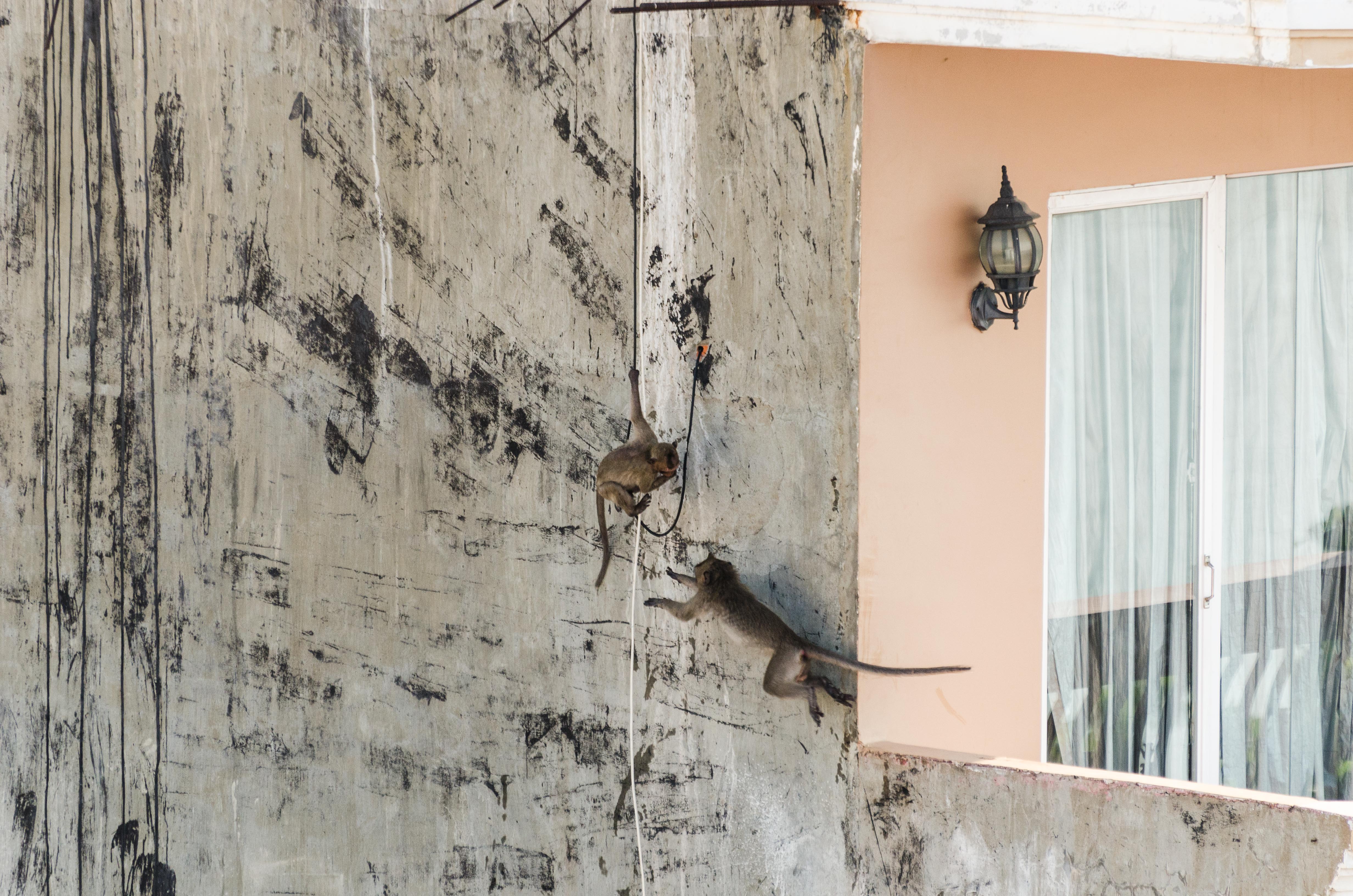
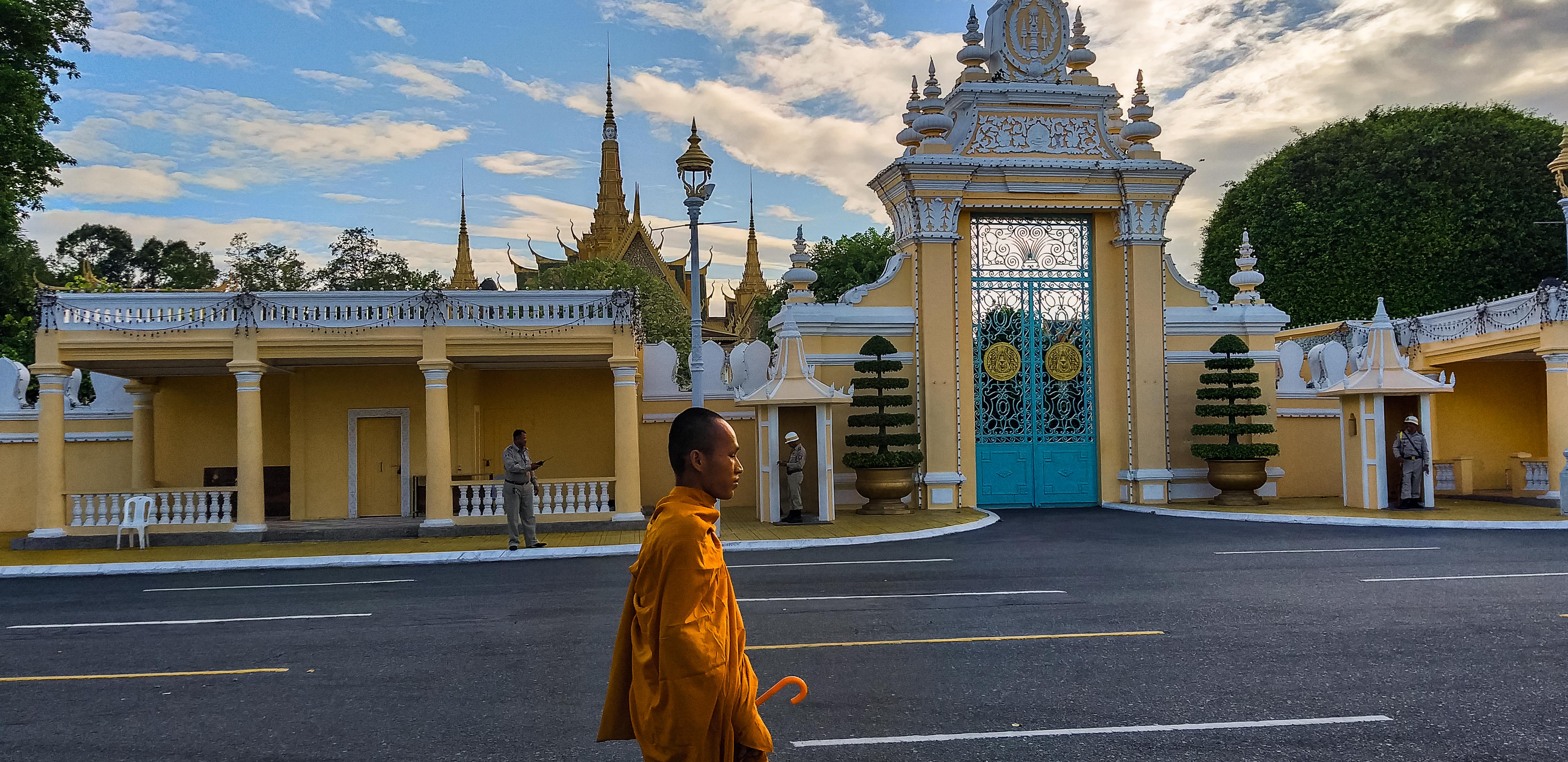
Royal Palace 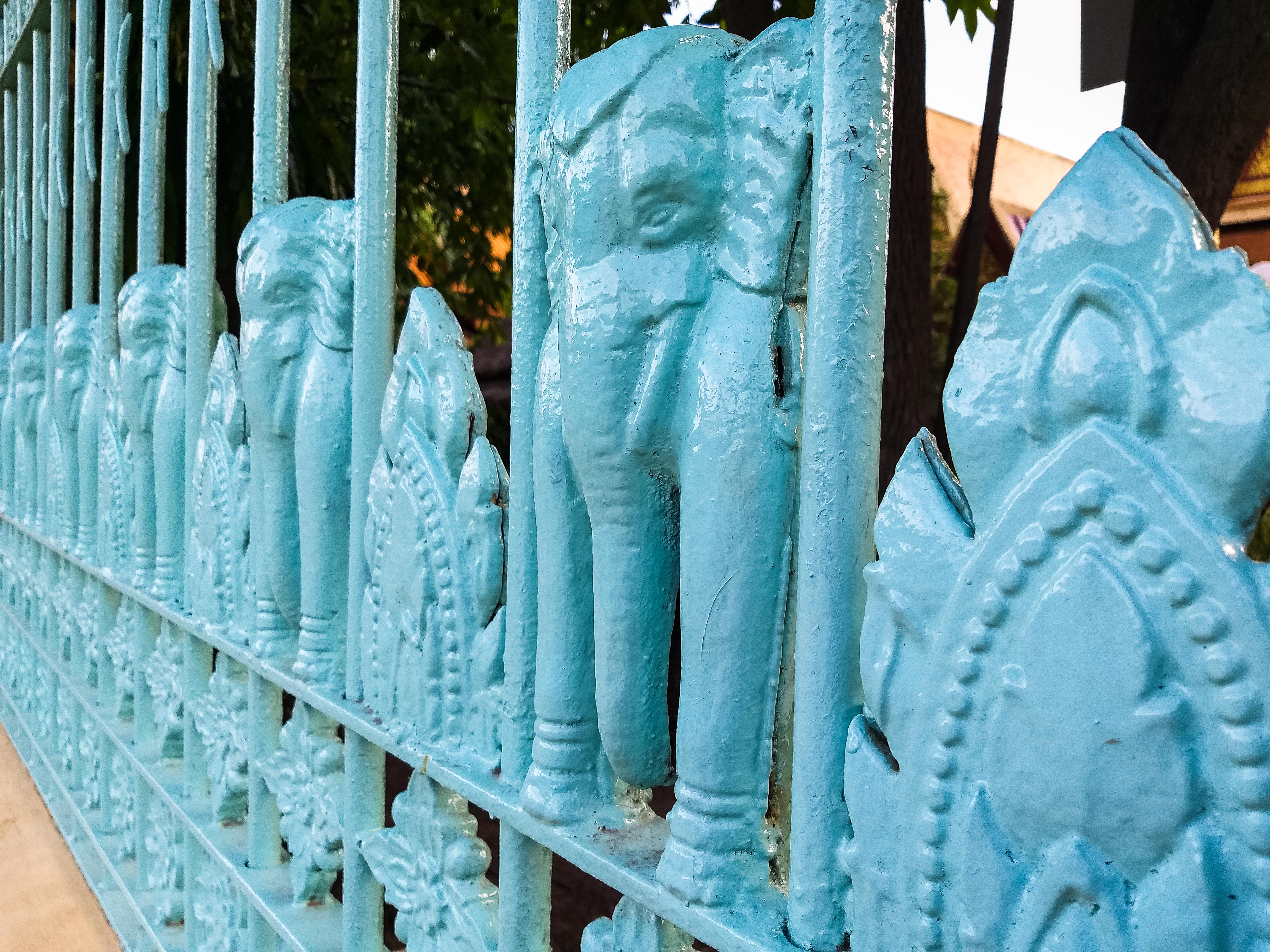
Royal Palace Fence
Thanks to everyone who is looking at our website. You can follow us on Instagram too.
If anyone has any questions about travelling in Taiwan, Vietnam, or Cambodia, feel free to contact us at thekiwiandthekraut@gmail.com



 The Kiwi & The Kraut
I remember visiting Tuol Sleng and coming across a scrawl of graffiti that seemed appropriate:
“When this was a prison, nobody learned. When this was a school, nobody died.”
A tough day indeed, visiting these sights. The inhumanity of ‘man’ seems incomprehensible sometimes.
LikeLiked by 1 person