
On Monday morning we left Siem Reap. We were picked up from the hotel by a guy in a van. He took us to the bus which took us to Sisophon. The ride was ok, through the same sort of flat, featureless landscape we were becoming so familiar with; rice paddies, other crops of some sort, and houses on stilts. There were one or two small towns along the way also. We made a stop at a small nasty-looking roadside restaurant where none of the foreigners on board ate, choosing instead to just use the not very pleasant toilets.
Sisophon didn’t look like it had much going for it. We were dropped off at the office of the bus company, we called the driver of the shared taxi, and he showed up about 10 minutes later.
We loaded our gear into the boot of the car, got in the back seat, and we were on our way. But wait, there’s more. We stopped to pick up three more people and their shopping, which largely consisted of big bags of grain or rice or something. Now we had two women sharing the front passenger seat and us and a local guy in the back. This is why it is called a shared taxi.
We set off in the direction of Banteay Chhmar along a nice paved road. At some point we made a right hand turn onto a not so nice unpaved dirt road, along which we bounced and lurched until we came to a house in the middle of not much where the man and one of the women and most of the shopping got out.
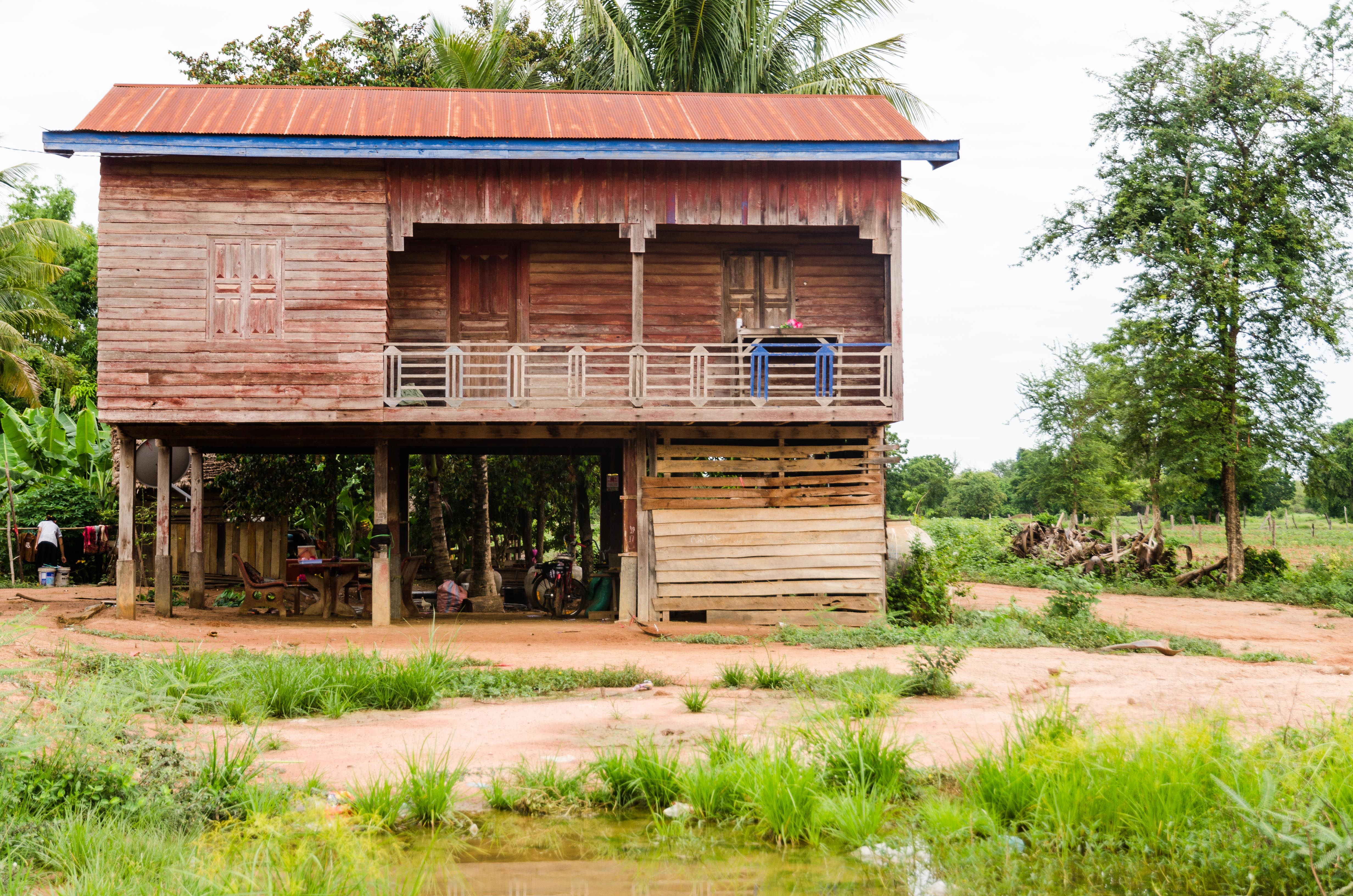
The car was more comfortable now. But we still had to bounce our way back to the main road. From there it was a nice ride to Banteay Chhmar. The taxi dropped us at the office of the local Community Based Tourism organization (CBT). We met the man in charge, who said it was going to rain so we got back in the car and drove to our homestay. Upon arrival we met our hosts (an elderly couple whose marriage was arranged by the Khmer Rouge), who spoke a little French and no English, and another traveler, Nick, who had arrived shortly before us.
There are no hotels in Banteay Chhmar, and the CBT looks after almost all of the tourism. They try to maximise the benefits to the community, while minimising the negative impacts. The village is very poor, but tourism is helping, apparently increasing villager income by 15% to 20%. In 2018 they had 2,000 guests but would like 3,000 to 4,000 visitors annually. We hope they get them, but not too many more as that would ruin what it is that makes it worth the trek to experience.

Our room was perfect; not much bigger than the double bed, with a mosquito net, a pedestal fan, and a bathroom with sink, toilet, and cold water shower. The shower was one of those where the whole room gets wet, but we were used to that.
Just after we got settled in the rain came. It was heavy but didn’t last long. We spent some time chatting to Nick, our French not being good enough to talk with our host. But our host did have a beginners book for those wanting to learn Khmer, and we could use that, some bad French, and sign language to communicate on a very basic level. The three of us walked down to the CBT office for dinner. Walking back in the dark we encountered a lot of local dogs, who made themselves known by barking and coming out to the road to check us out. They were a little unnerving but all bark and no bite.
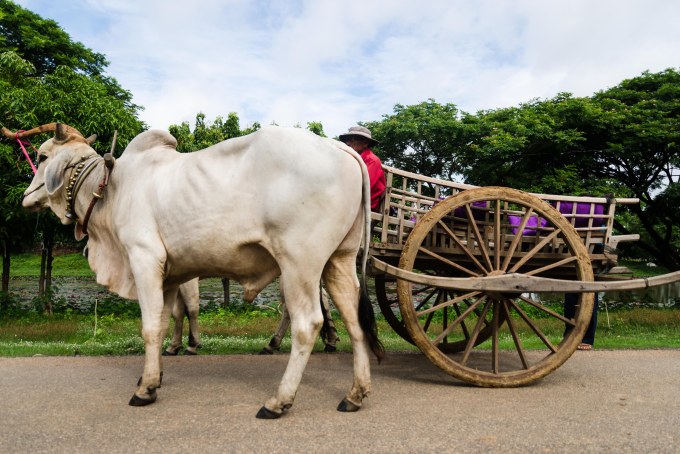
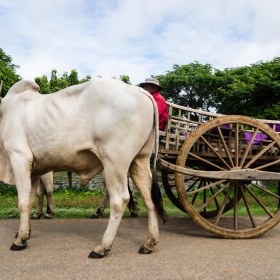
The next morning the three of us walked back to the CBT for breakfast before embarking on our pre-arranged ox cart ride. Normally this would have taken us to the local silk collective where they process raw silk. But, being Father’s Day, it was closed. So instead, we were going to go on a lap of the local Angkor ruins, which, apart from wanting to see rural life in Cambodia, were the reason for our visit.

We set off and had just gone around the first corner when we saw a whole lot of what turned out to be local high school kids planting trees. They invited us to plant a couple, so we did. That was fun, and it was nice to see a community working together to improve the area with funding from the CBT, which keeps a portion of what visitors pay for accommodation and any activities they do, like the ox cart ride, for that purpose. We continued on our way, feeling a little like royalty riding in a carriage whenever a local waved and called out hello. They all seemed happy to see us in their village and we were happy to be there.
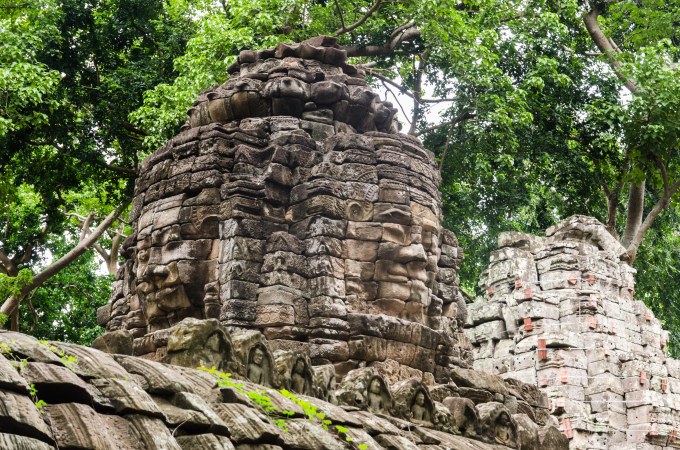
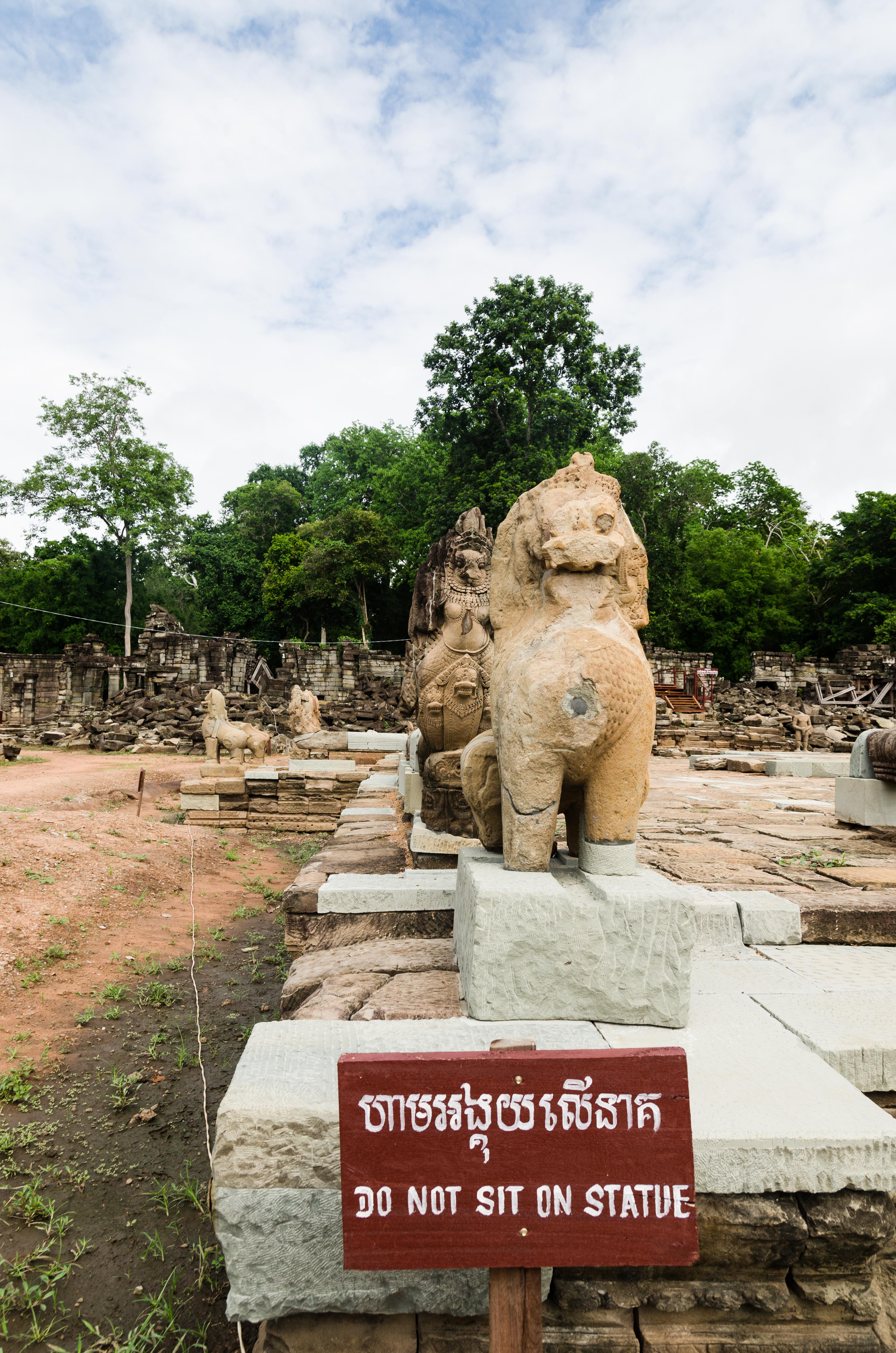
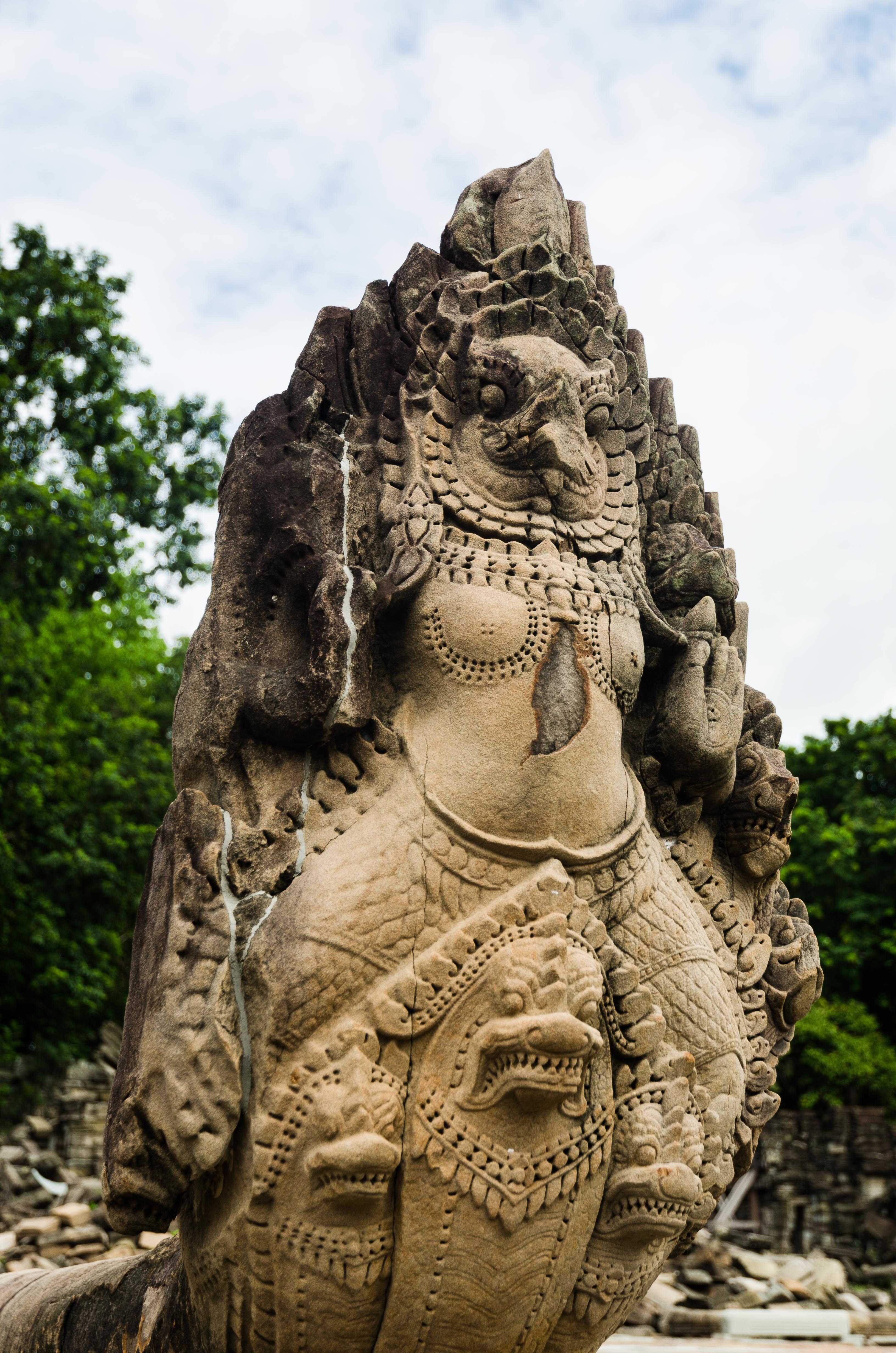
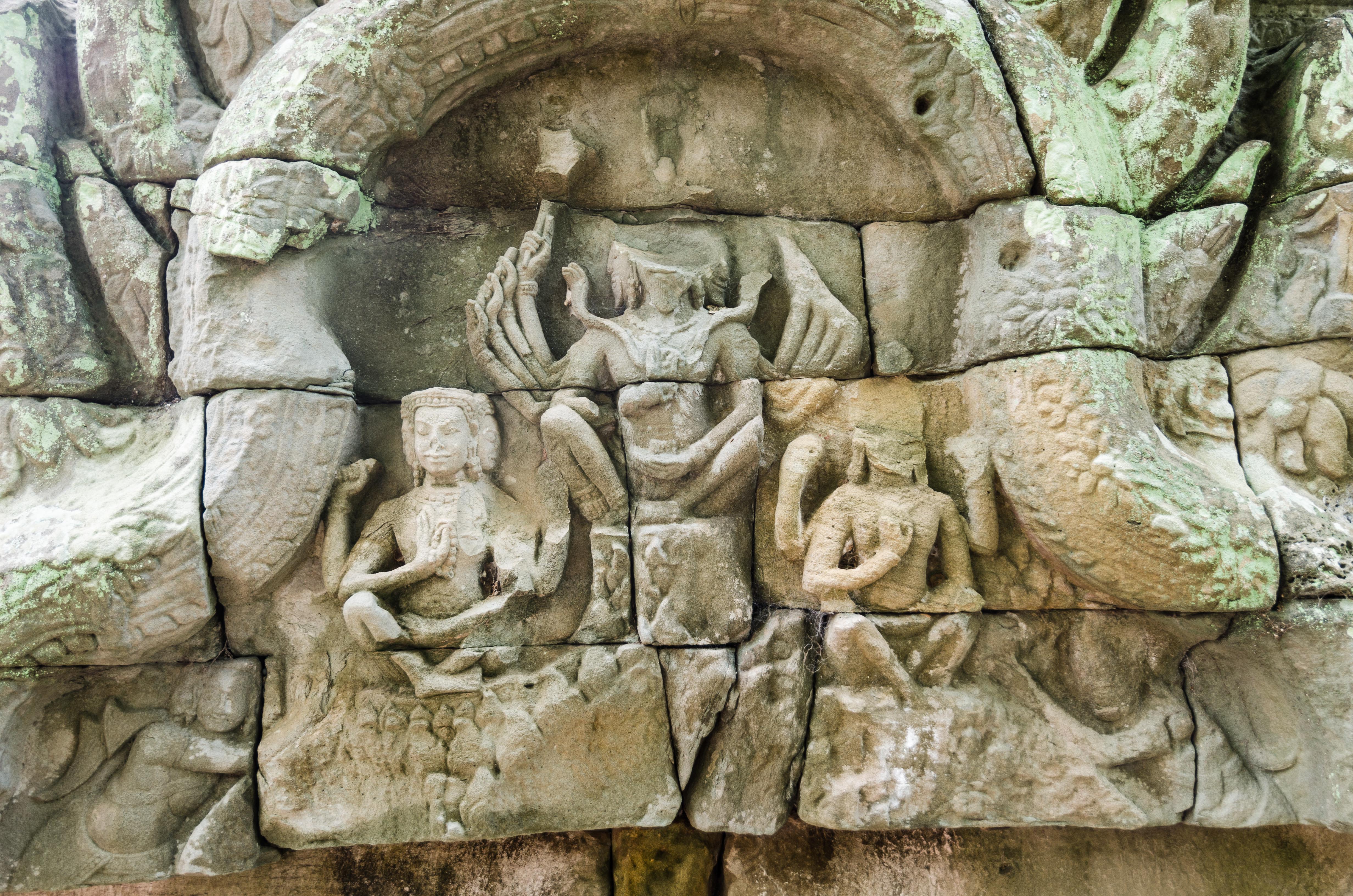
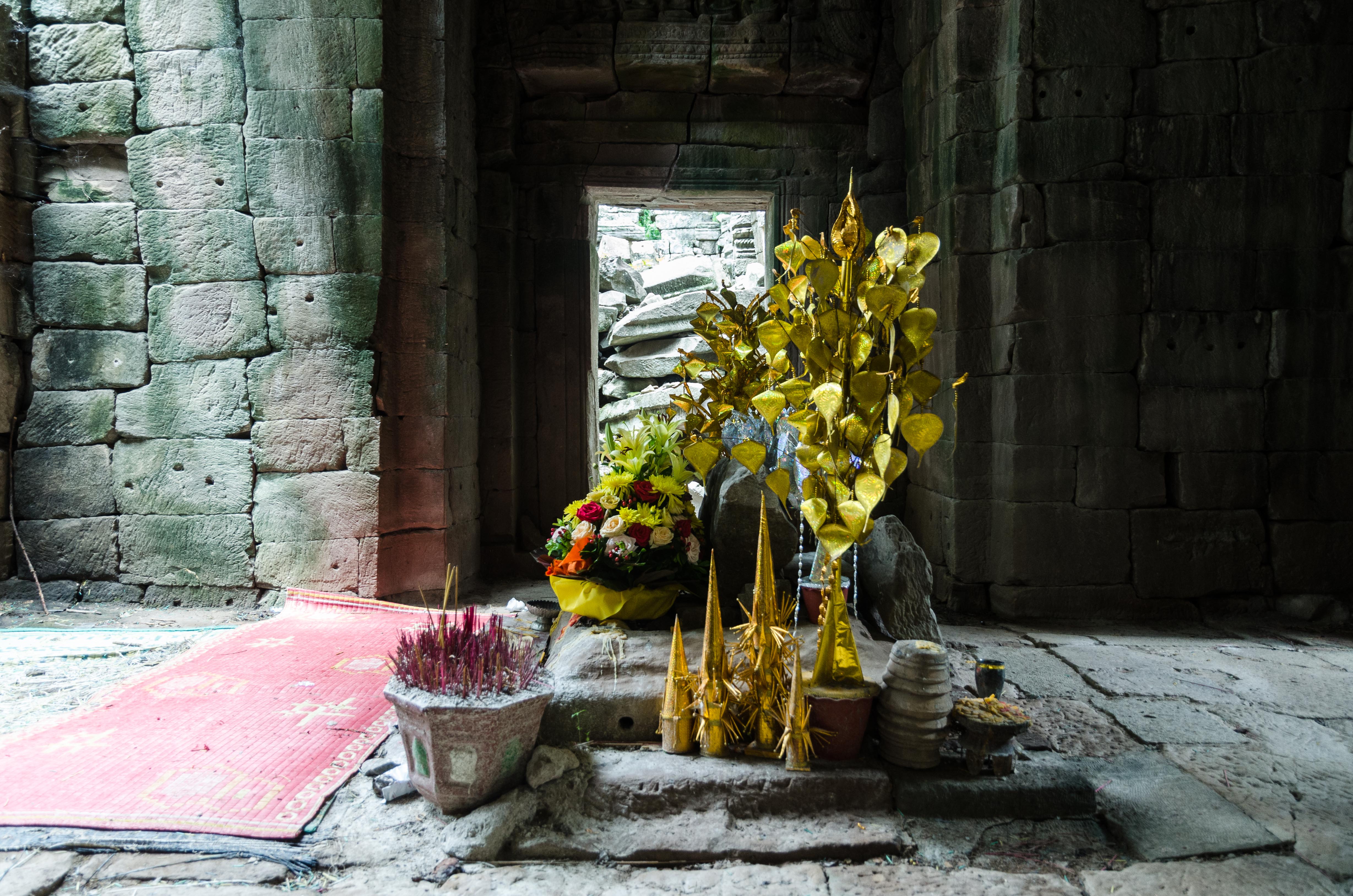
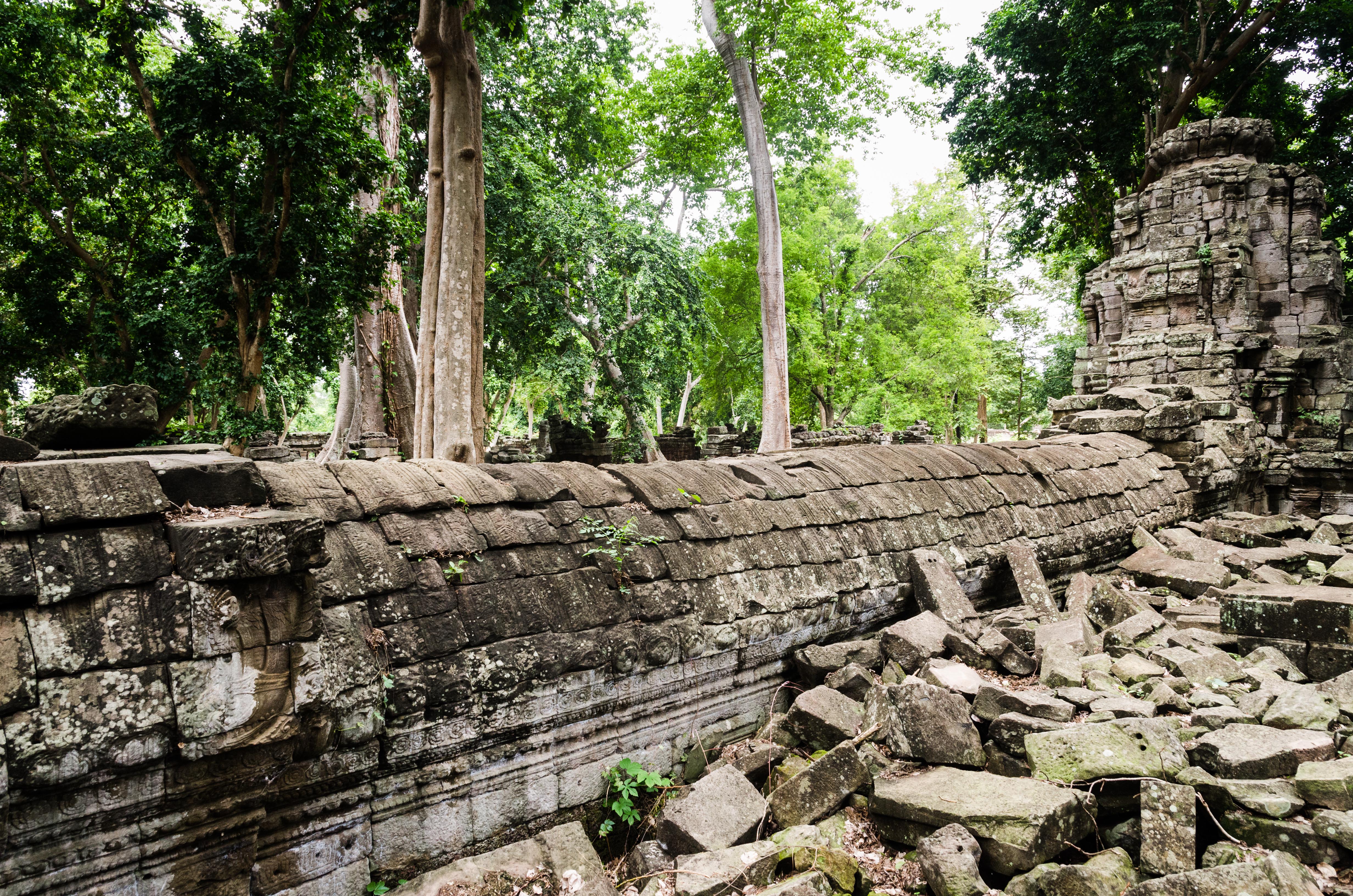
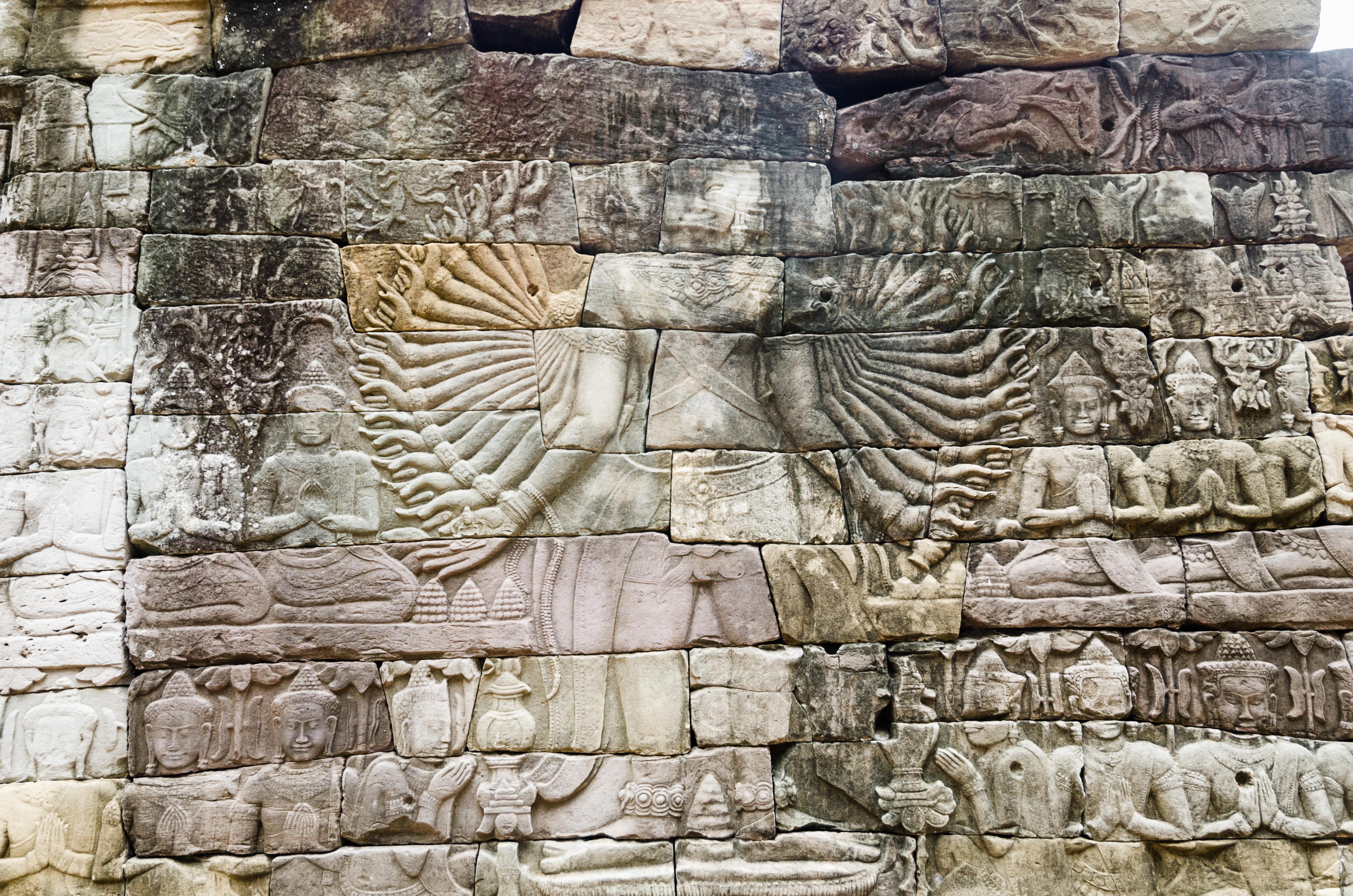
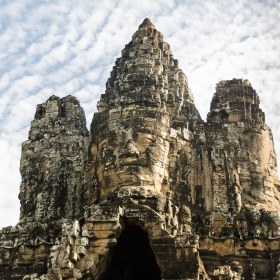
At the conclusion of the lap we each paid our US$5 entrance fee and walked into the archaeological site. Apart from a group of Cambodians, we pretty much had the place to ourselves. The temple was built by King Jayavarman VII at the end of the 12th century. He was the guy who had the Bayon Temple built at Angkor. The temple at Banteay Chhmar also features the large faces, and it is thought (by those who study these things) that the Banteay Chhmar faces are the prototypes of the ones at Bayon. The temple was apparently dedicated to Jayavaram VII’s son who died here in battle. This temple differs from Angkor in that it was never transformed into a Buddhist temple, remaining Hindu. However, the locals treat it like a Buddhist temple, as we would see for ourselves.

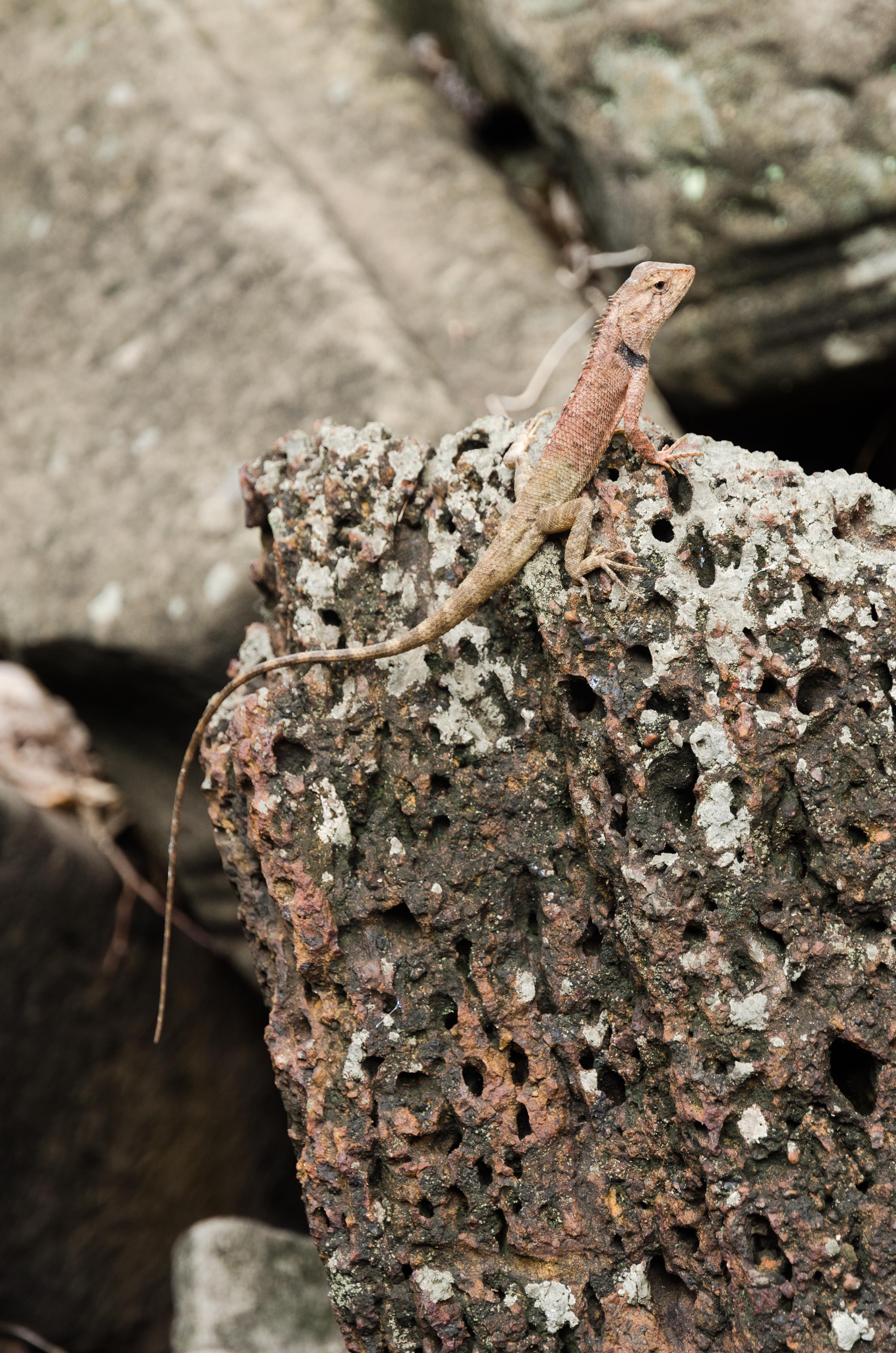
We wandered around the ruins for a while, the site is not as well preserved as Angkor, and has suffered from encroachment by trees and looting by art thieves from Thailand in the 1990s. There were some nice touches here and there and we saw a snake. YES, WE SAW A SNAKE. About time too. The ruins are being preserved thanks to funding by The Global Heritage Fund, but not much work has been done yet. There is a nice story about the temple here https://edition.cnn.com/travel/article/cambodia-temple-banteay-chhmar/index.html

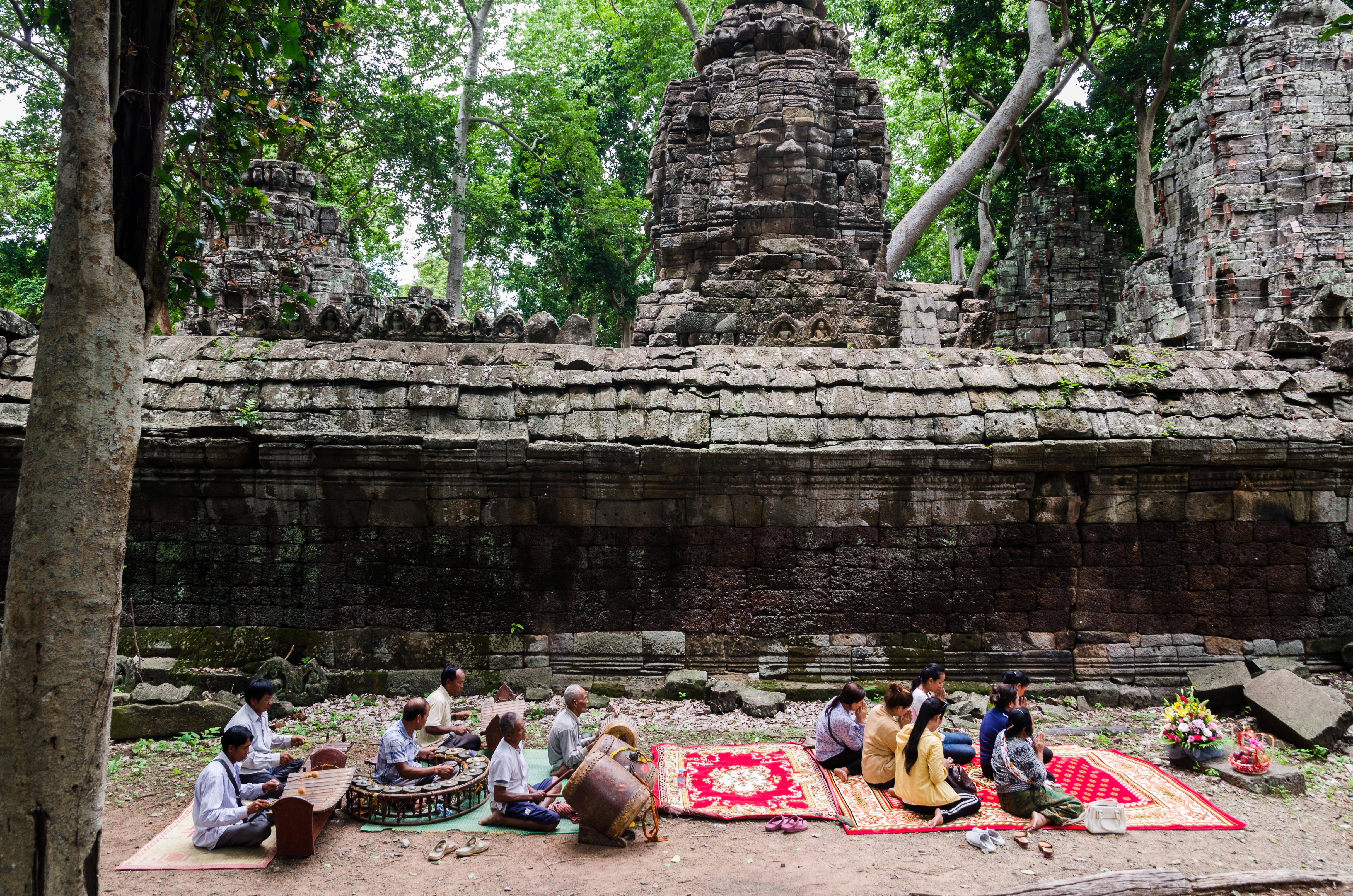
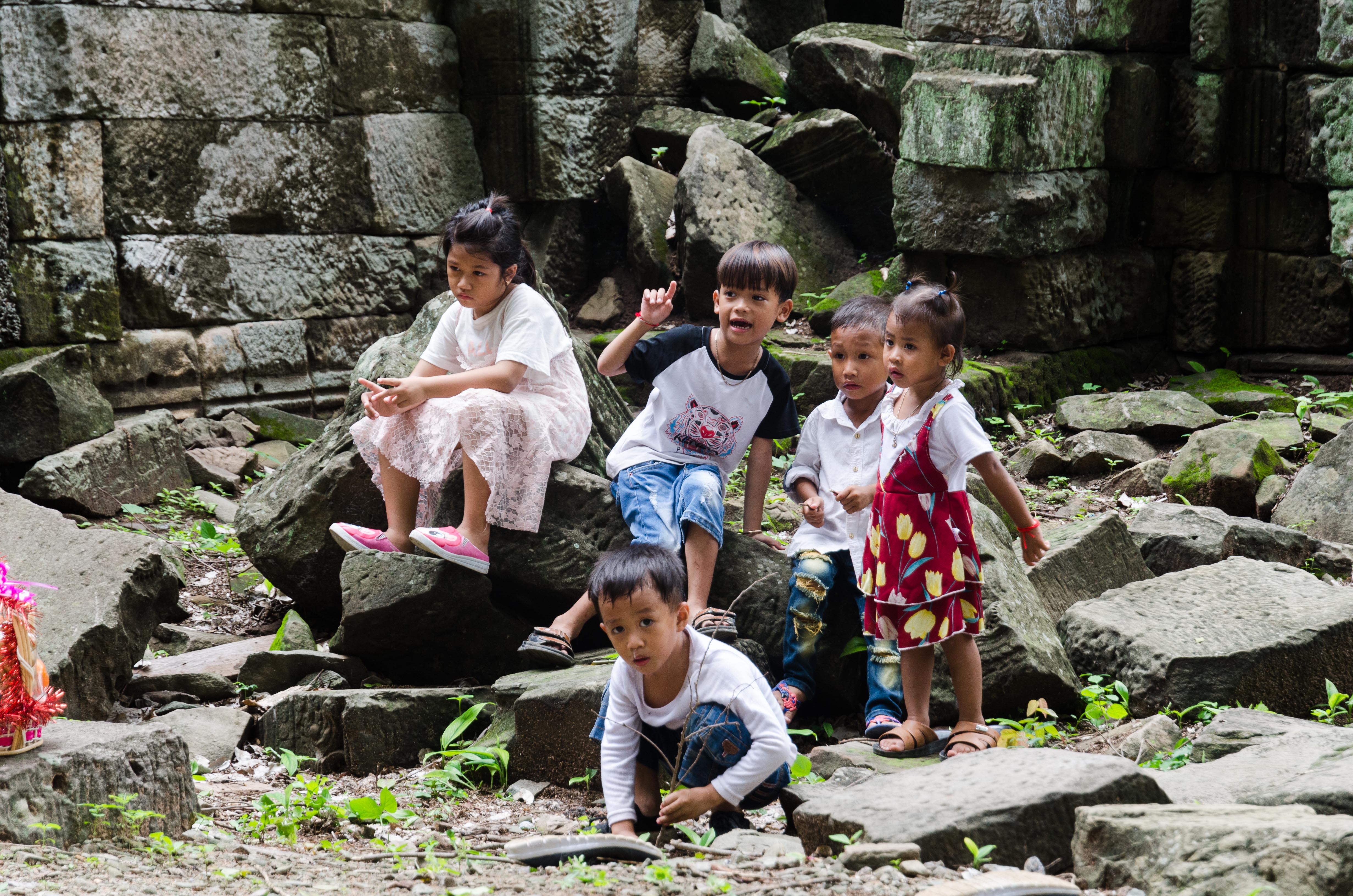
A local told Nick that there was going to be some local music played, so we headed to where the musicians were setting up. Apparently they were playing to say thanks to the gods, for a recent birth resulting in a son. Prayers had been said asking for a son and those prayers had been answered. We weren’t sure if the musicians were being paid by the new parents or not, but they played some nice music, and the setting couldn’t have been better. While they played a group of local women prayed, and their kids played. Our day just got better and better. After the music, and a short play on the instruments ourselves, we walked through the ruins to the gate opposite to the one we had entered through and then found a local restaurant for lunch.
By the time we had eaten, the weather was looking a bit threatening so we walked back to the homestay, getting a bit damp on the way, After a break, we wandered back to the CBT to use their wifi (no internet at the homestay) to plan our next move, and then dinner.
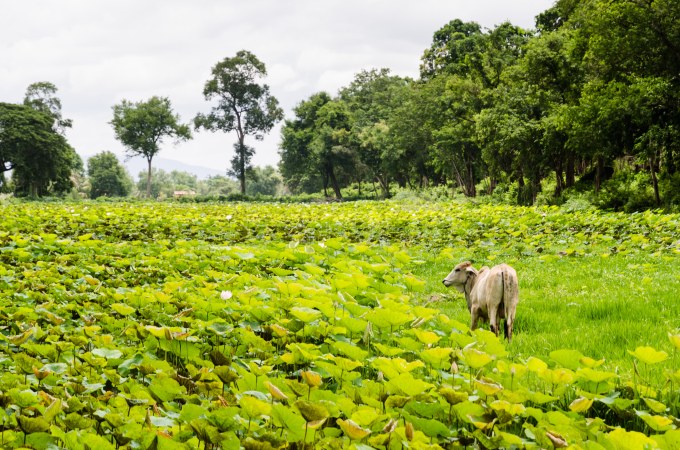
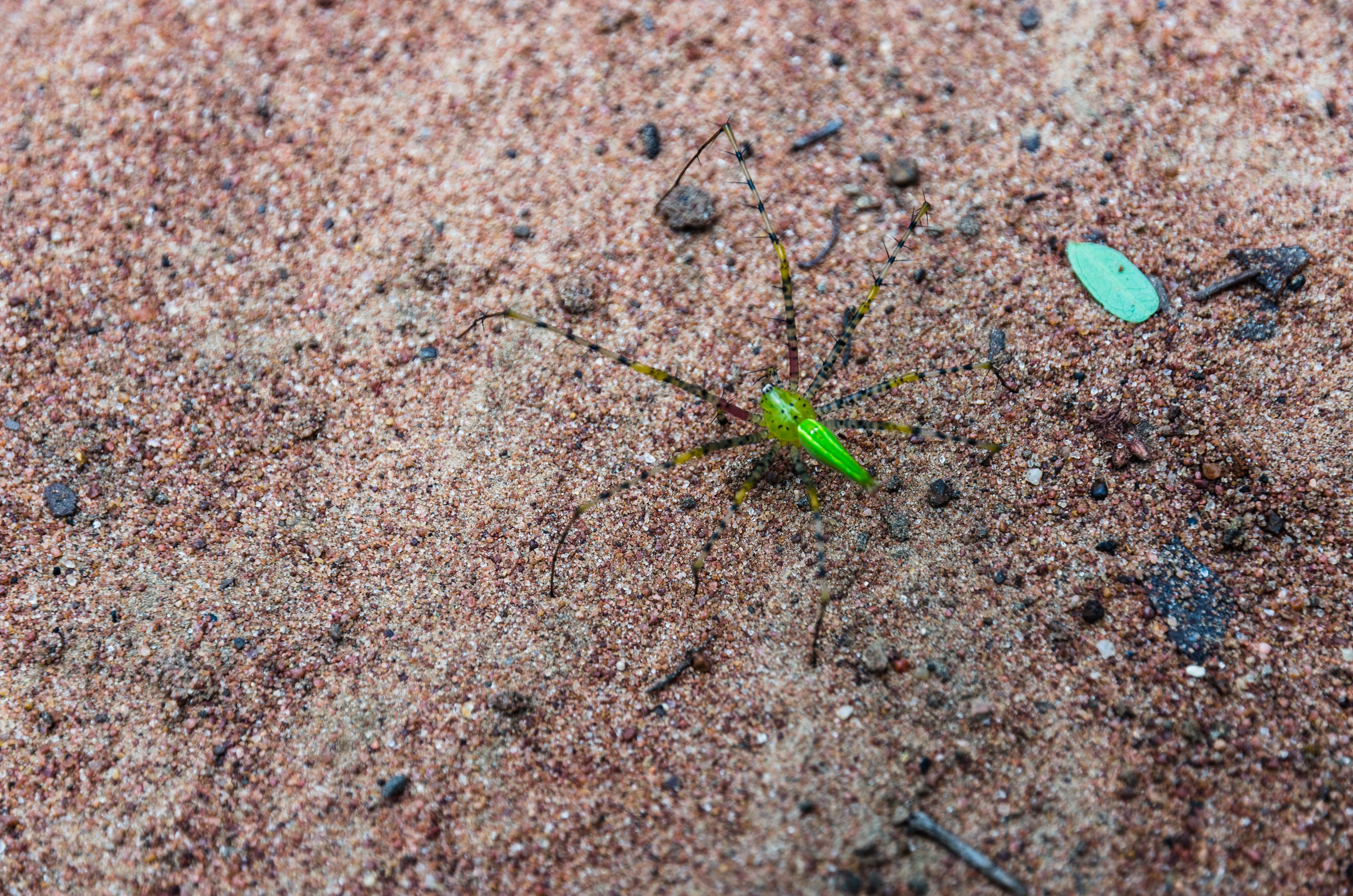
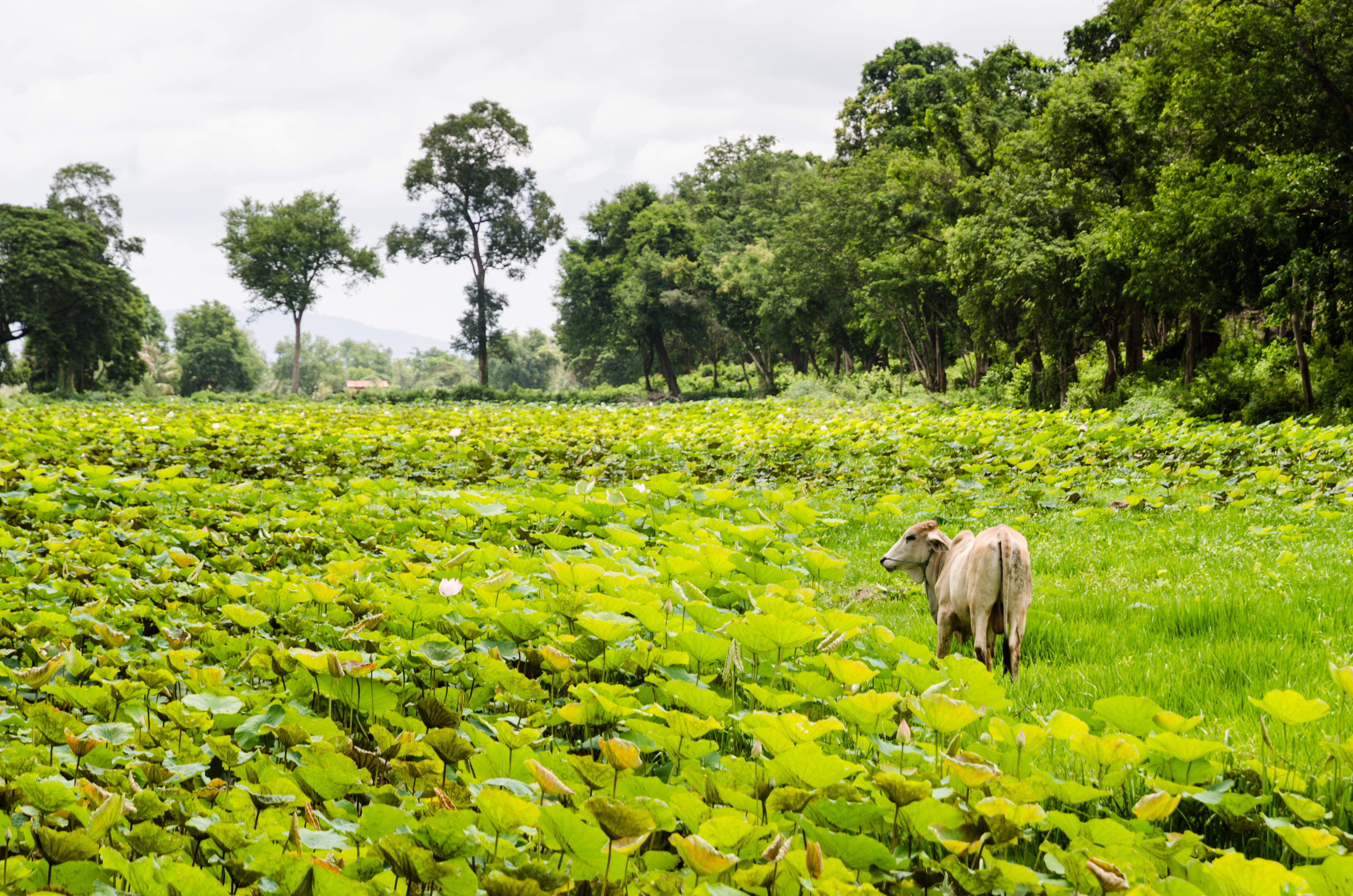
It was nice being in a place where we could hear the insects and frogs at night, and birds during the day. It was also nice to know that just by being there we were having a positive impact on the village and those who live in it. It was also a great opportunity to meet and see villagers going about their daily lives, not that that means we can say we can relate to them, their lives are very different to ours, but we feel we have a better understanding of them. We really enjoyed our time at Banteay Chhmar, but we had to move on sometime.
So after breakfast we loaded up the shared taxi with ourselves (the three of us) and our luggage and headed south to Sisophon. Once there, Nick went his way and we got into another shared taxi, this time sharing with two locals, to the border at Poipet. We went through the process of exiting Cambodia, walked a couple of hundred metres to the Thailand entry point, filled in the paperwork, queued up, got our passports stamped, and we were in.
A short tuk tuk ride later (the driver was eating lunch while driving) and we were at our hotel for the night. We stayed in Aranyaprathet, the Thai border town. We had arranged to stay there because we weren’t sure if we would be there in time to get the 1355 train to Bangkok. There was no way of knowing in advance what time the shared taxi would leave Banteay Chhmar, or how long it would take to get to Sisophon. Also, we didn’t know what time the bus from Sisophon to Poipet would depart. As it turned out we were in our hotel well before the train departed. But we wanted to arrive in Bangkok during daylight anyway, so had decided to get the 0640 train the following morning.
Being in Cambodia made us very aware of its terrible recent history. Anyone over thirty has memories of the Khmer Rouge era, and all those memories are bad. The more elderly also have memories of the bombing by the USA during their war with Vietnam. There must be some deep emotional scars. Despite this, the Cambodians are friendly and welcoming. For us it was reminder how lucky we are, just look at the news headlines at home and see how trivial most of them are.





Thanks to everyone who is looking at our website. You can follow us on Instagram too.
If anyone has any questions about travelling in Taiwan, Vietnam, or Cambodia, feel free to contact us at thekiwiandthekraut@gmail.com




 The Kiwi & The Kraut
Sustainable travel that gives back to local communities. I admire your taking the time to do what you can to help improve the lives of these remote and impoverished communities. It’s a win-win for both you and your hosts.
As for that snake – I just hope it didn’t end up in your bed!
Safe travels to Bangkok.
LikeLiked by 1 person